
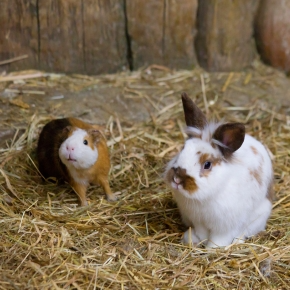
Rabbit and Guinea Pig Care: How to Avoid Flystrike


Northlands Cat & Rabbit Care Clinic are warning pet owners in Northamptonshire to be vigilant this spring about protecting their rabbits and guinea pigs from a potentially deadly threat – flystrike (also known as fly strike and myiasis).
What is flystrike?
Flystrike happens when flies lay eggs on an animal, which hatch into flesh-eating maggots. This condition can quickly become life-threatening without treatment. In this article, Northlands Cat & Rabbit Care Clinic’s team are sharing how to prevent flystrike and what to do if you suspect your rabbit or guinea pig is affected.
Four ways to prevent deadly flystrike
1. Maintain clean living conditions: According to Northlands Cat & Rabbit Care Clinic’s veterinary team, the key to preventing flystrike is to keep your pet’s living environment clean and dry. Regularly remove soiled bedding and faeces from cages or hutches, and provide fresh, dry bedding material to help minimise the attraction of flies.
2. Check your pet regularly: Daily health checks are important, particularly around the tail, hindquarters, and genitals. Look for the telltale signs: small white or yellow fly eggs, maggots, and any skin irritation or inflammation. Early detection is key. If you notice anything like this, contact our team at Northlands Cat & Rabbit Care Clinic on 01604 478888 straight away.
3. Protective measures: Use fly screens or protective covers on outdoor enclosures to help keep flies away from your pets. You can also use pet-safe insect repellents or fly strike prevention products – ask our team at our vet practice in Northampton for their recommendations.
4. Regular grooming: This can help keep your pet’s fur clean and free from mats or tangles, which can attract flies. Pay special attention to long-haired breeds, as they may be more prone to developing flystrike.
Recognising the 4 Signs of Flystrike
If flystrike does occur, early detection and intervention are crucial for your pet’s survival. Here ar the four signs to watch for below:
1. Foul odour due to the presence of maggots feeding on the flesh.
2. Loss of appetite due to pain and discomfort
3. Lethargy and unwillingness to move or eat due to pain and discomfort.
4. Visible maggots or wounds
Northlands Cat & Rabbit Care Clinic’s team advise that you should seek veterinary care immediately. Do not attempt to remove the maggots yourself, as this can cause further injury to your pet.
Flystrike is a serious condition that requires prompt, veterinary treatment to remove the maggots, clean the affected area, and provide supportive care to the affected pet. Sadly however, a high proportion of flystrike cases require euthanasia to stop the animal from suffering.
If you suspect your rabbit or guinea pig has flystrike, it’s crucial to act quickly. Call our team at Northlands Cat & Rabbit Care Clinic immediately on 01604 478888 for emergency veterinary care.
Remember, prevention is always best when it comes to flystrike. By taking proactive measures to keep your pet’s living environment clean and minimising their exposure to flies, you can help reduce the risk of this potentially deadly condition.
If you have any questions or concerns about flystrike prevention or treatment, don’t hesitate to contact us for guidance. We’re here to help you keep your rabbits and guinea pigs safe and healthy.