
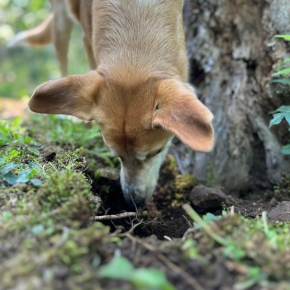
Worms Worries: How to Keep Dogs in Northamptonshire Safe


Dogs can be exposed to a variety of worms in Northamptonshire, and while some may cause mild discomfort, others can pose serious health risks. In the article below, our vets at Northlands share the types of worms, how they’re contracted, and why preventing them is key to keeping your dog healthy.
Worms in dogs: what you need to know this spring
Worms that can affect dogs
- Lungworm – One of the most dangerous, lungworm can cause coughing, breathing difficulties, and in severe cases, life-threatening illness. Dogs usually become infected by eating slugs or snails carrying the larvae.
- Roundworms – Common in puppies and adult dogs alike, roundworms live in the intestines and can cause vomiting, diarrhoea, weight loss, and a dull coat.
- Tapeworms – Often contracted from eating infected fleas or small prey, tapeworms can lead to weight loss, itchiness around the tail, and visible segments (like grains of rice) in faeces.
- Hookworms and Whipworms – Less common in the UK, these intestinal parasites feed on blood, potentially causing anaemia, diarrhoea, and general weakness.
How dogs contract worms
Our vets in Northampton explain that worm infections can happen in many ways: through ingesting contaminated faeces, catching infected prey, or contact with slugs, snails, or even infected fleas. Lungworm, in particular, is more common in areas with damp grass or garden ponds where slugs and snails thrive. Even toys or bowls left outside overnight can harbour larvae, putting your dog at risk if they lick or chew them.
Protecting your dog
According to Northlands’s team, preventing worm infections relies on a combination of vigilance and routine care:
- Regular vet-recommended worming treatments – Your vet can recommend a treatment and schedule suited to your dog’s age, lifestyle, and risk factors.
- Environmental hygiene – Don’t leave bowls, toys, or bedding outside overnight. Keep your garden tidy by clearing away leaf litter and garden debris, removing the ‘daytime shelters’ these pests need to survive and thrive near your pets.
- Monitoring and early action – Watch for signs such as vomiting, diarrhoea, coughing, or a change in appetite and seek advice from our vets promptly.
Worms may be small, but their impact can be significant. Preventative care and careful observation can make all the difference.
Book a parasite review with our veterinary team at Northlands today to ensure your dog is fully protected from worms and other hidden pests. Let’s keep them healthy, happy and ready for every walk and adventure in Northamptonshire.