
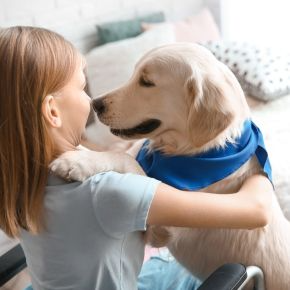
School Holidays and Pets: Advice from vets in Northampton


When school holidays arrive in Northamptonshire, homes often become busier, noisier and more unpredictable, especially with younger children! While this can be a valued period of family fun, it can come with its own set of challenges, changes in routine, and extra stress for both you and your pet.
At Northlands, our veterinary team often speak to owners about how changes at home, such as children being off school, can affect pets’ behaviour and wellbeing. In this article, our veterinary team in Northampton share practical advice on helping pets adjust during the summer holidays and keeping routines as consistent as possible.
If you’re concerned about your pet’s behaviour, contact us to book a behaviour appointment.
Book a behaviour consultation today
How do school holidays affect pets?
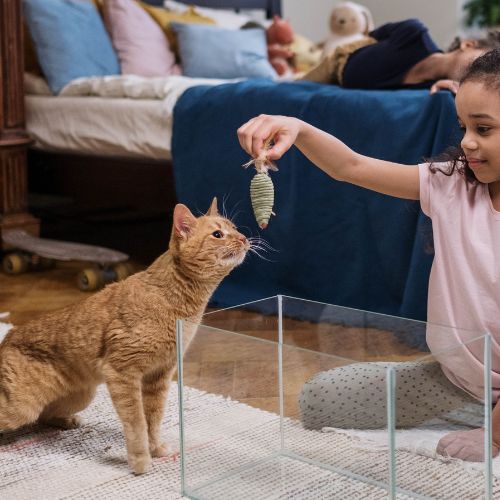
Most pets benefit from consistent routines, with feeding, exercise and quiet rest time happening at similar times each day to help them feel settled. However, during the holidays when your routine changes, so does theirs. While for some pets, it may be exciting to have more humans around, different waking times, irregular meals and increased noise can sometimes lead to stress.
Our vets in Northampton explain that dogs may become overexcited or unsettled with extra activity, cats may withdraw or hide, and rabbits can become anxious if their environment becomes too busy or unpredictable.
Signs your pet may be stressed
At Northlands we often see that many pets are good at hiding signs of stress, so look out for:
- Withdrawing or hiding (common in cats and rabbits)
- Changes in appetite or sleep
- Increased vocalisation or attention-seeking (often in dogs or cats)
- Destructive behaviour or toileting accidents
- Signs of anxiety, such as pacing, overgrooming or thumping in rabbits
Pets stressed by children or routine changes may also become less tolerant of handling, so the team at Northlands recommend a bit of extra supervision.
Managing a pet school holiday routine
Here are some of our top tips for reducing stress in your pet for the holidays.
- Stick to feeding times: Feeding at similar times each day helps support all pets, particularly rabbits who rely on consistent digestion.
- Maintain exercise and enrichment: Dogs benefit from regular walks, while cats and rabbits benefit from daily play and stimulation.
- Protect rest time: Cats and rabbits especially benefit from quiet, undisturbed spaces to retreat to.
- Keep familiar setups: Avoid moving litter trays, hutches or sleeping areas where possible.
Encouraging positive interactions with children
Living with both pets and children can be especially lively during school holidays, and a bit of gentle guidance goes a long way in keeping things calm for everyone.
Encouraging children to be kind and attentive to a pet’s body language can help them understand when an animal is happy to play and when they might prefer a bit of quiet time.
Dogs often enjoy energetic play, though supervision can be important in busy moments. Cats may prefer space to move away or take breaks, while small pets like rabbits benefit from calm, gentle handling and being approached in a way that feels comfortable.
Our vets in Northampton recommend creating a few simple boundaries at home like giving pets space when they’re eating or resting.
By keeping a gentle eye on routine, space, and interaction, you can help your pets feel more settled even during the busy school holidays.
If you’re ever unsure about changes in your pet’s behaviour, the team at Northlands are here to help. Contact us to book a behaviour consultation.