
Grass Seeds and Dogs: Advice from Kettering Vets


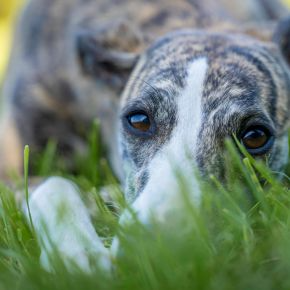
Picture this: it’s a warm summer’s day in Northamptonshire, and you’re out enjoying the park with your dog. After bounding through long grass, you notice their coat is dotted with tiny, sharp seeds. These are grass seeds, and while small, they pose a great risk, as their pointed shape means they can easily burrow into your dog’s paws, ears, eyes or skin, sometimes leading to infections.
In this article, our vets in Kettering share where dogs are at most risk, common symptoms, and how to prevent problems.
If you notice your dog is experiencing discomfort, book an appointment with our friendly team.
Book an appointment for personalised advice
Is my dog at risk?
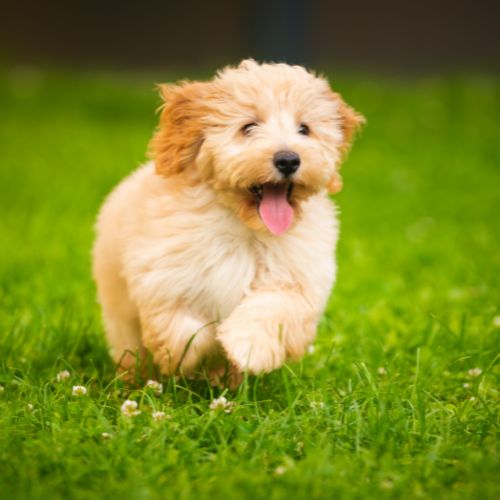
Our veterinary team at Northlands explain that all dogs can come into contact with grass seeds, but it is more common for dogs with longer ears and longer fur around the paws to be affected. If your dog particularly enjoys running through long grass in Northamptonshire, it is important to be aware of the risks.
Our vets in Kettering warn that grass seeds can move through tissue, potentially causing abscesses, infections, and in rare cases, more serious internal issues. What may start as a minor irritation can quickly escalate into a painful condition requiring more complex treatment.
Does my dog have a grass seed injury?
Here is what to look out for:
- You notice your dog limping or excessively licking their paw
- Swelling, redness, or a small hole in the skin
- Head shaking or rubbing against surfaces
- Discharge from the eye, nose or ear
- Red, watery, or squinting eyes
- Sneezing
If you notice any of these symptoms, don’t wait – call our vet practice in Kettering on 01536 485543.
How to prevent grass seed injuries
Here are some simple steps you can take to reduce the risk:
- Stick to well-maintained paths and avoid long, dry grass where possible
- Check your dog thoroughly after walks, paying close attention to paws, ears, and under the collar
- Stay on top of grooming to avoid overgrown hair around the paws and ears
- Remove any visible seeds promptly if it’s safe to do so
If you’re concerned a grass seed may be lodged somewhere, seek veterinary advice as soon as possible. Early treatment is usually straightforward and can prevent more serious complications.
If in doubt, our Northlands team are here to help – call us for advice or to arrange a check-up on 01536 485543, or book online.