
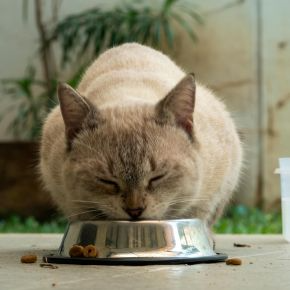
Northlands’s Guide to Life Stage Pet Nutrition


Many pet owners put a lot of thought into what they feed their pets – but did you know that your pet’s nutritional needs change as they grow and age? Staying on the wrong food for too long can quietly affect their health, energy and weight, in ways that aren’t always obvious at first.
Northlands’s team are here to help you get it right – book a nutrition consultation today
Why life stage nutrition matters
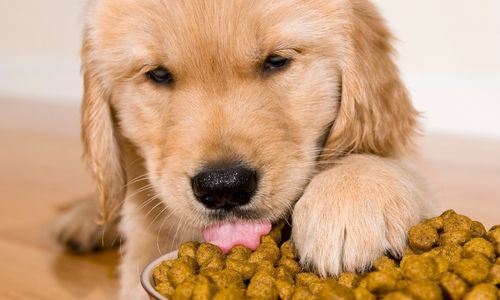
Our team in Kettering highlight that pet food is formulated for specific life stages for good reason. Puppies and kittens have very different nutritional needs to adult pets, and senior animals need different support again.
It’s always a good idea to review your pet’s diet at every major life stage transition and not just when a problem arises.
Key life stage transitions to know
Puppy or kitten to adult
Our vets in Kettering explain that puppies and kittens tend to thrive on food that’s higher in protein, fat, and certain minerals to support their rapid growth and development. Switching to adult food too early may mean they miss out on some of these essentials, while waiting a little too long can sometimes contribute to weight gain. As a general guide:
- Small and medium dog breeds are typically ready to transition to adult food between 9 and 12 months
- Large and giant breeds may need to stay on puppy food for longer – up to 18 to 24 months – as their growth period is extended
- Kittens are generally ready to transition to adult food at around 12 months
If you’re unsure when to make the switch, our team are happy to advise.
Adult to senior
Senior pets often need fewer calories, more joint support, and adjusted levels of protein and phosphorus to protect kidney function. Signs that your pet may be ready for a senior diet include weight gain with no change in exercise, reduced energy levels, or stiffness after rest. Our veterinary team at Northlands recommend checking your pet against this general guide:
- Cats are typically considered senior from around 7 years
- Small dog breeds are generally senior from around 10 years
- Large dog breeds may reach senior status from around 6 to 7 years
However, this can vary across breeds so it’s always best to check with our team for tailored advice.
Signs a food switch may be needed
Outside of life stage transitions, there are other signs we often see at Northlands that may signal your pet’s current food is no longer the right fit:
- Unexplained weight gain or loss
- A dull or flaky coat
- Low energy or increased lethargy
- Digestive issues such as loose stools or excessive wind
- Increased thirst, which can sometimes indicate a food is too high in salt or not suited to your pet’s age
If you notice any of these signs, it’s worth speaking to our team at Northlands before making any changes independently.
How to switch foods safely
Switching pet food too quickly can sometimes cause digestive upset, even if the new food is better suited to your pet. Northlands’s team recommend a gradual transition over 7 to 10 days:
- Days 1 to 3 – 75% old food, 25% new food
- Days 4 to 6 – 50% old food, 50% new food
- Days 7 to 9 – 25% old food, 75% new food
- Day 10 – 100% new food
If your pet shows signs of digestive upset at any stage, slow the transition down further and seek advice from our vets if symptoms persist.
Getting nutrition right at every life stage is one of the simplest and most effective ways to support your pet’s health for the long term, and at Northlands, our team are here to support you every step of the way.
To arrange a nutrition consultation, book an appointment today.