

Is Your Pet ‘Just Getting Old’ OR Could It Be Arthritis?


As pet owners, we sometimes need to become detectives. Our pets can’t tell us when something is wrong, so we must watch for changes in their behaviour. This is especially important as pets begin to slow down with age. However, it can be difficult to differentiate between the natural effects of ageing and a medical condition.
As our pets get older, adjusting their care, environment, and daily routines helps them maintain a comfortable and happy life. Here is Northlands’s guide to arthritis in pets and what you can do – Book a check-up with our team in Kettering today.
What is osteoarthritis in pets?
Just like us, animals can develop arthritis. Osteoarthritis is a degenerative joint disease where the protective cushioning (cartilage) gradually wears away, and the lubricating fluid (synovial fluid) becomes less effective. This causes bones to rub together, leading to pain, stiffness, and difficulty moving. Injury, infection, or excess weight can worsen this. Pets most commonly develop arthritis in high-mobility joints like the hips, knees, and elbows.
At what age can my dog or cat get arthritis?
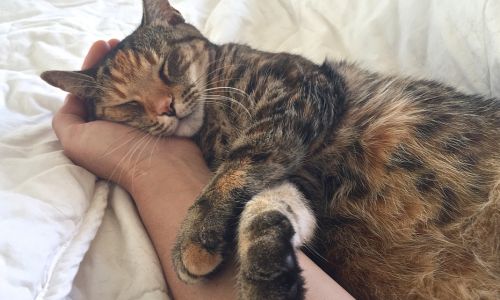
Many dogs and cats across Northamptonshire are affected by osteoarthritis, particularly as they age. The condition develops when joints undergo degenerative changes over time, although, obesity, injury, inherited joint disorders and other factors can also contribute.
- Cats typically become more susceptible to osteoarthritis in their senior years, often from around 10 years of age onwards.
- In dogs, risk varies according to factors including breed, size and underlying joint health, with larger breeds often affected earlier than small breeds.
- Some pets can develop osteoarthritis at a much younger age however, usually as a result of injury or developmental conditions such as hip dysplasia
If you have concerns about your pet’s joint health, mobility, or a change in their demeanour or behaviour, our vets in Kettering are here to help at 01536 485543.
Symptoms of arthritis in pets
- Limping or stiffness, especially after rest, and difficulty with stairs or jumping
- Reduced activity and less interest in play or exercise
- Behavioural changes like irritability or aggression when touched
- Licking or chewing at sore joints
- Difficulty with daily activities
The team at Northlands advise that if you notice any of these signs in your pet, it’s always worth seeking professional advice sooner rather than later – early diagnosis can make a significant difference to your pet’s comfort and quality of life.
What you can do to help your pet
If you suspect your pet could have arthritis, here are three practical steps you can take:
- Book a veterinary check-up: Early diagnosis is key. Our veterinary team at Northlands can assess your pet’s joint health and create a personalised treatment plan tailored to their needs.
- Maintain a healthy weight: Extra weight puts additional stress on already painful joints. We recommend working with our team on a weight management plan suited to your pet’s age and condition.
- Make home modifications: Create a more comfortable environment with soft bedding, ramps or steps to furniture, non-slip rugs, and raised food bowls to reduce strain on sore joints.
Book your appointment today
Osteoarthritis can worsen over time, but early intervention could significantly improve your pet’s quality of life. Our veterinary team at Northlands are ready to help your pet move more freely and live more comfortably. Pet owners across Northamptonshire can get in touch with us today to arrange a consultation.