
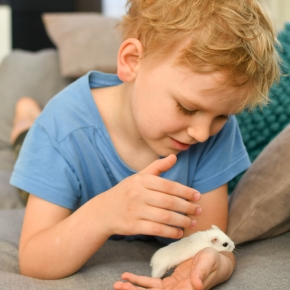
Teach Kids to Hold Hamsters and Other Small Pets Safely


Introducing small pets like hamsters, guinea pigs, or rabbits to your family can be a delightful experience. These tiny companions bring joy and teach children about responsibility and empathy. However, ensuring they are handled gently and correctly is crucial for their wellbeing.
Northlands’ nurses have created this guide to help parents in Northamptonshire understand the importance of gentle handling and how to explain this concept to young children.
Why gentle handling is important
Small pets are delicate creatures. Mishandling can lead to stress, injury, or even fear, making them less sociable and harder to care for. Northlands’ nurses explain that gentle handling helps to build trust between the pet and the handler, creating a safe and loving environment for your pet to thrive.
Read our nurses’ tips on how to teach kids to hold hamsters and other small pets safely and become confident pet handlers.
Top tips for handling small pets
- Use Both Hands: Always support your pet with both hands. Place one hand under their chest and the other under their hindquarters.
- Stay Calm and Quiet: Approach your pet slowly and speak softly to avoid startling them.
- Close to the Ground: When holding your pet, keep them close to the ground or over a soft surface in case they wriggle free.
- Regular Breaks: Limit handling time to a few minutes to prevent your pet from becoming stressed.
- Supervision: Always supervise young children when they are handling hamsters, guinea pigs, rabbits, and other small pets to ensure they follow the guidelines.
For more advice on gentle handling from our nursing team, book a small pet appointment by calling 01536 745212.
Explaining gentle handling to young children
Northlands’ nursesexplain that introducing small pets to young children can be a rewarding experience if approached correctly. Here’s their guide on how to explain gentle handling to kids:
- Use Clear Language: “Small pets like our hamster are very delicate. They need us to be very gentle with them so they don’t get hurt.”
- Demonstrate First: Show your child how to hold the pet gently, using soft hands and calm movements. Let them observe a few times before they try.
- Create a Story: “Imagine if you were as small as our guinea pig. You would want people to hold you softly, right? That’s how we should treat our pets.”
- Practice with a Toy: Give your child a stuffed animal to practice gentle handling. This can help them understand the right amount of pressure to use.
- Use Positive Reinforcement: Praise your child when they handle the pet gently. Positive reinforcement will encourage them to continue the right handling technique and behaviour.
Teaching children how to hold hamsters and other small pets gently is essential for the safety and happiness of the pets and fosters a caring attitude in young minds. By using simple language and practical demonstrations, Northamptonshire parents can ensure their children learn the importance of gentle handling.
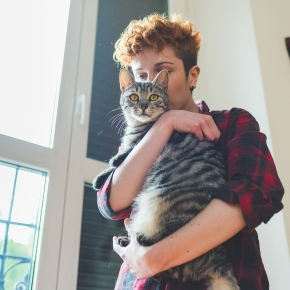
Northlands Shares Reunion Tales of Long-Lost Microchipped Cats
The team at Northlands know there’s nothing quite like the bond between a cat and their owner. Unfortunately, sometimes our beloved feline friends go missing, leaving a void in our hearts. However, thanks to the power of cat microchipping, many of these long-lost cats have been joyfully reunited with their humans. With the recent enforcement of the new microchipping law for cats in England, we believe it’s an ideal time to highlight the importance of microchipping and share some heartwarming stories of happy reunions.
Heartwarming reunions of long-lost cats
Northlands’ team have found some incredible reunion stories of cats presumed lost forever, showing that there is always hope if your cat has been microchipped. Read on to learn about Toby, Fred, and Oscar.
Toby, missing for 11 years, returns home
After fearing Toby was gone forever in 2012, this adventurous tabby was miraculously returned home to his astonished owners 11 years later! A quick scan of Toby’s microchip by Cats Protection revealed his owner’s contact details, leading to an emotional reunion. Read Toby’s full story here.
Fred turns up 5 years later, 2 miles away
Fred’s owner was devastated when he went missing in 2019. Turns out he had been living as a stray before being taken in by a kind elderly man, who took Fred to a local vet for a checkup. The microchip scan brought unexpected joy to his owner who had given up hope of ever seeing him again. Read Fred’s full story here.
Book a cat microchipping appointment now at our vet practice in Northampton.
Oscar, lost in a snowstorm, gets a happy reunion
In the heavy snow of January 2022, Oscar took off and didn’t return home. After endless searching and social media posts, Oscar’s owner presumed him dead. Then one day, 3 years later, a vet called to say Oscar had been living in a garden just 6 miles away and had been identified by his microchip! Read Oscar’s full story here.
The importance of Cat Microchipping
These incredible stories are not just rare occurrences. Our team say they highlight the vital role that cat microchipping plays in reuniting lost cats with their owners. The new law, which came into effect on June 10th 2024, mandates that all cats in the UK over 20 weeks old must be microchipped. This regulation aims to reduce the number of lost cats and increase the chances of reunions like the ones mentioned above.
It’s not too late to microchip your cat If you haven’t yet microchipped your cat, it’s not too late. Northlands highlights some compelling reasons why you should book your cat’s microchipping appointment without delay;
- Quick Identification: A microchip is a reliable and permanent solution to ensure your cat can be identified if they ever get lost, unlike collars and tags, which can come off.
- Peace of Mind: Knowing that your cat has a microchip gives you peace of mind. Should your pet ever wander off, there’s a higher chance of them being reunited with you.
- Legal Requirement: Complying with the new law helps to avoid fines and ensures that your cat is part of a nationwide effort to improve cat safety and welfare.
The recent stories of long-lost cats being reunited with their owners underscores the immense value of microchipping. As we adjust to the new cat microchipping law, let’s take proactive steps to ensure our beloved pets are protected. Don’t delay – get your cat microchipped at Northlands today.
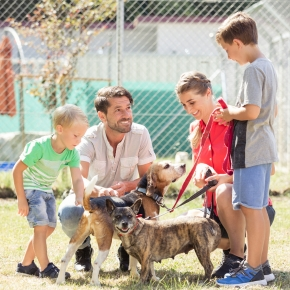
Northlands’ Guide to Finding Your Perfect Companion
Welcoming a new pet into your home is an exciting and rewarding experience. Whether you’re considering a dog, cat, or a smaller pet, finding the perfect companion requires careful consideration and observation. In this guide from Northlands Kettering, we’ll explore the positive traits to look for in a new pet to ensure a happy and harmonious relationship for years to come.
Our veterinary team in Kettering can’t wait to meet your new bundle of joy! Register them with us and book their first appointment for unrivalled pet care from day one.
What to consider when choosing a new pet
Compatibility with your lifestyle & costs
When choosing a new pet, our Kettering vets and nurses stress the importance of compatibility with your lifestyle. Factors such as species, size, energy levels, grooming needs, and nutrition should align with your routine for a seamless fit. Remember, pets for children often become parental responsibilities. Consider all costs, including healthcare, housing, and insurance. Plus, how would a new pet fit in with any current pets? Our team are here to discuss the care needs of different pet species before you commit – reach out.
Where to get a new pet from
From dogs, cats, rabbits, small furies and even exotic pets, there’s an abundance of loveable pets just waiting to be adopted in Kettering and beyond. Professional rescue centres typically conduct home checks to ensure ideal pet-owner matches. Alternatively, opt for reputable breeders showcasing both mother & offspring in a caring environment and enquire about medical history and upbringing practices. Be cautious of breeders unwilling to provide necessary information – a red flag. Buying a small furry or an exotic pet from a pet shop? Check the shop’s reputation online and look for cleanliness and good practices in-store before you buy from them.
What to lookout for in a new pet
- Confidence & Sociability: A confident and sociable pet adapts well, interacts positively, and enjoys a fulfilling life. Look for curiosity, friendliness, and ease of interaction when choosing. Temperament and behaviour issues are crucial considerations.
- Good Health & Vitality: Our vets in Kettering recommend that you assess potential pets for health & vitality. Look for clear eyes, a shiny coat, and a healthy weight. Check for signs of alertness, energy, and enthusiasm. Ask about medical history and vaccinations too.
- Healthy Parents & Genetics: Consider the health and genetics of the pet’s parents, as they significantly influence the pet’s future wellbeing. Responsible breeders provide information about lineage and health screenings, ensuring a strong foundation for the pet’s health.
- Responsiveness to Training & Handling: Observe how they respond to training and handling during interactions. Look for signs of attentiveness and eagerness to learn. A pet who responds positively to training and handling is easier to bond with, teach new skills, and integrate into your life.
Finding the perfect pet requires a thoughtful assessment of various factors, so, take your time, do your research, and trust your instincts. And, we’re here to help if you’d like more advice – just get in touch!
Register and book your pet’s first appointment with us right away.
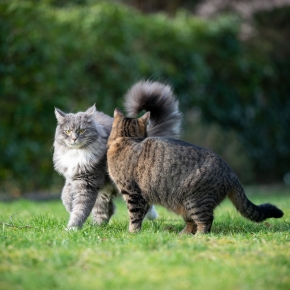
Why neutering is the responsible choice for cat owners in Northamptonshire
Cat owners cherish the companionship and love their feline friends bring into their lives. However, with the joy of having a cat comes the responsibility of ensuring their wellbeing and contributing to the welfare of the feline community.
One of the most responsible choices cat owners in Northamptonshire can make is to opt for neutering their cats. In this article, the team at Northlands will explore why and how it benefits both individual cats and the larger feline population.
Cat neutering – why it’s the responsible choice
1. Preventing unplanned litters & curbing overpopulation
Perhaps the most compelling reason to neuter your cat is to prevent unplanned litters of kittens, not just for your home, but for the wider cat population. Cats are prolific breeders, and one unspayed female cat and her offspring can produce hundreds of kittens in just a few years. Overpopulation is a serious issue in the cat world and so by neutering your cat, you are actively contributing to controlling the feline population and reducing the number of homeless kittens in and around Northamptonshire.
2. Promoting health and longevity
Cat neutering offers several health benefits. It significantly reduces the risk of uterine infections and certain cancers in females and eliminates the risk of testicular cancer in males. Neutered cats are also generally healthier and live longer lives.
3. Behavioural improvements
Neutering can lead to positive changes in a cat’s behaviour. Male cats tend to be less aggressive and territorial, while females are less likely to yowl or exhibit restlessness during their heat cycles. Neutered cats often make for more pleasant and well-adjusted pets.
4. Reducing roaming tendencies
Unneutered male cats have a strong instinct to roam in search of mates. This behaviour puts them at risk of accidents, injuries, and encounters with other animals. Neutering can reduce this desire to roam, keeping your cat safer.
5. A more peaceful home
Unspayed female cats can exhibit vocalisations and behaviours that can be disruptive during their heat cycles. Neutering can create a more peaceful and harmonious living environment for both cats and their owners! If you have a multi-cat household, our team can advise you of more ways to keep the peace.
6. Responsible Ownership
Being a responsible pet owner means taking steps to ensure the health and wellbeing of your cat, as well as being considerate of the broader feline community. Neutering is a responsible choice that aligns with these principles.
The take-away message from our article is that neutering your cat is about more than controlling the feline population; it’s also about promoting the health, happiness, and longevity of your beloved pet. It’s a choice that reflects your commitment to responsible pet ownership and compassion for the welfare of cats in Northamptonshire and beyond. Thanks for reading!
If you found our article informative, why not share it with your cat-loving friends?
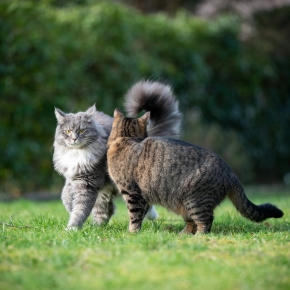
Why neutering is the responsible choice for cat owners in Northamptonshire
Cat owners cherish the companionship and love their feline friends bring into their lives. However, with the joy of having a cat comes the responsibility of ensuring their wellbeing and contributing to the welfare of the feline community.
One of the most responsible choices cat owners in Northamptonshire can make is to opt for neutering their cats. In this article, the team at Northlands Cat & Rabbit Care Clinic will explore why and how it benefits both individual cats and the larger feline population.
Cat neutering – why it’s the responsible choice
1. Preventing unplanned litters & curbing overpopulation
Perhaps the most compelling reason to neuter your cat is to prevent unplanned litters of kittens, not just for your home, but for the wider cat population. Cats are prolific breeders, and one unspayed female cat and her offspring can produce hundreds of kittens in just a few years. Overpopulation is a serious issue in the cat world and so by neutering your cat, you are actively contributing to controlling the feline population and reducing the number of homeless kittens in and around Northamptonshire.
2. Promoting health and longevity
Cat neutering offers several health benefits. It significantly reduces the risk of uterine infections and certain cancers in females and eliminates the risk of testicular cancer in males. Neutered cats are also generally healthier and live longer lives.
3. Behavioural improvements
Neutering can lead to positive changes in a cat’s behaviour. Male cats tend to be less aggressive and territorial, while females are less likely to yowl or exhibit restlessness during their heat cycles. Neutered cats often make for more pleasant and well-adjusted pets.
4. Reducing roaming tendencies
Unneutered male cats have a strong instinct to roam in search of mates. This behaviour puts them at risk of accidents, injuries, and encounters with other animals. Neutering can reduce this desire to roam, keeping your cat safer.
5. A more peaceful home
Unspayed female cats can exhibit vocalisations and behaviours that can be disruptive during their heat cycles. Neutering can create a more peaceful and harmonious living environment for both cats and their owners! If you have a multi-cat household, our team can advise you of more ways to keep the peace.
6. Responsible Ownership
Being a responsible pet owner means taking steps to ensure the health and wellbeing of your cat, as well as being considerate of the broader feline community. Neutering is a responsible choice that aligns with these principles.
The take-away message from our article is that neutering your cat is about more than controlling the feline population; it’s also about promoting the health, happiness, and longevity of your beloved pet. It’s a choice that reflects your commitment to responsible pet ownership and compassion for the welfare of cats in Northamptonshire and beyond. Thanks for reading!
If you found our article informative, why not share it with your cat-loving friends?
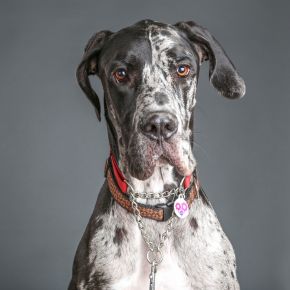
Vets in Oakley Vale explain heart disease risks in dogs
Sadly, heart disease is almost as common in dogs as it is in humans, especially as they age. The veterinary team at our Oakley Vale practice have pulled together their answers to commonly asked questions about heart disease in dogs. We want to help local pet owners understand why it’s so important their dogs attend regular health checks.
In its early stages, canine heart disease tends to be difficult to detect, so annual screening is important – Book a heart health check-up for your dog today.
Spotting Heart Disease at home
Common questions on Canine Disease
What types of heart diseases affect dogs?
- Dilated Cardiomyopathy (DCM): A condition where the heart muscle becomes weak and enlarged, leading to poor pumping function.
- Mitral Valve Disease (MVD): A condition where the mitral valve of the heart degenerates, leading to leakage of blood and reduced heart efficiency.
- Aortic Stenosis (AS): A common congenital heart defect in large breed dogs, typically caused by a ridge or ring of fibrotic tissue condition in the subaortic region.
- Pericardial effusion: An acquired cardiovascular disease in dogs, where excessive fluid accumulates within the pericardial sac, affecting the heart’s ability to pump effectively.
Are certain breeds more likely to develop canine heart disease?
Yes, some dog breeds are predisposed to certain types of heart disease. Just like in humans, genetics can play a significant role in the development of heart conditions in dogs. Some breeds are more prone to specific heart issues due to inherited traits and genetic factors, such as:
Dog breeds commonly predisposed to Dilated Cardiomyopathy (DCM) include:
- Boxers, Cocker Spaniels, Doberman Pinschers, Great Danes, Irish Wolfhounds, Saint Bernards
Dog breeds commonly predisposed to Mitral Valve Disease (MVD) include:
- Cavalier King Charles Spaniels, Chihuahuas, Dachshunds, Miniature Poodles, Pomeranians, Shih-Tzus, Small Terrier Breeds
Dog breeds commonly predisposed to Aortic Stenosis (AS) include:
- Boxers, Bullmastiffs, German Shepherds, Golden Retrievers, Newfoundlands, Rottweilers
Dog breeds commonly predisposed to Pericardial Effusion include:
- Afghan Hounds, Boxers, Boston Terriers, Bulldogs, French Bulldogs, German Shepherds, Golden Retrievers, Salukis, Weimaraners
Dog owners need to understand that although these breeds have a higher genetic predisposition to these heart conditions, it does not mean that every dog will develop heart disease.
Download our Heart Disease Symptoms Fact Sheet
Can other factors increase the risk of heart disease in dogs?
Yes, environmental factors (including second-hand cigarette smoke) and the below factors can affect a dog’s heart health.
- Age: Dogs entering their senior years are more at risk – typically 5-8 years of age for very large/giant dogs, 7-10 for medium-sized dogs, and 9-12 for small dogs.
- Excess Weight & Obesity: Increases risk of developing heart disease due to the strain on their hearts.
- Poor Diet: Lacking essential nutrients can impact heart health and contribute to the development of heart disease.
- Lack of Exercise: Insufficient physical activity can lead to obesity and cardiovascular health issues.
- Heartworm Disease: Parasitic heartworms are not found in the UK but dogs travelling abroad, and adopted from overseas may be at risk.
- Hypertension (High Blood Pressure): Can put added stress on the heart and lead to heart disease.
- Thyroid Disease: Thyroid imbalances, such as hypothyroidism or hyperthyroidism, can affect heart function.
- Infections: Certain infections, like bacterial endocarditis, can lead to heart disease in dogs.
- Congenital Heart Defects: Some dogs are born with structural abnormalities in their hearts that can lead to heart disease.
- Toxins and Medications: Exposure to certain toxins or medications can damage the heart and lead to heart disease.
- Cushing’s Disease (Hyperadrenocorticism): This condition, which results in excess cortisol production, can impact heart health.
Can you spot heart disease in dogs at home?
It’s important to note that some cases of heart disease may progress slowly and show mild signs, while others can become more severe and acute, leading to more pronounced symptoms. This is why monitoring and screening for heart disease is so important.
There are some symptoms of heart disease that you may spot at home. Take a look at Northlands’ fact sheet: Heart Disease in Dogs Symptoms
Share our guide with other dog owners and help us to help other pets in Northamptonshire.
How will a vet test for heart disease?
During a health check with one of our team, they will perform a thorough examination, listen for any abnormal heart sounds (heart murmur) or rhythms. They may recommend further tests, such as radiographs (X-rays) and echocardiography, to evaluate your dog’s heart health accurately. This, along with any symptoms your dog is displaying during the exam, or you have told us about, will help our veterinary surgeons to determine a diagnosis.
Early detection and appropriate management can improve the prognosis and quality of life for dogs with heart disease.
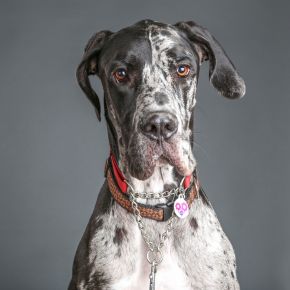
Vets in Kettering explain heart disease risks in dogs
Sadly, heart disease is almost as common in dogs as it is in humans, especially as they age. The veterinary team at our Kettering practice have pulled together their answers to commonly asked questions about heart disease in dogs. We want to help local pet owners understand why it’s so important their dogs attend regular health checks.
In its early stages, canine heart disease tends to be difficult to detect, so annual screening is important – Book a heart health check-up for your dog today.
Spotting Heart Disease at home
Common questions on Canine Disease
What types of heart diseases affect dogs?
- Dilated Cardiomyopathy (DCM): A condition where the heart muscle becomes weak and enlarged, leading to poor pumping function.
- Mitral Valve Disease (MVD): A condition where the mitral valve of the heart degenerates, leading to leakage of blood and reduced heart efficiency.
- Aortic Stenosis (AS): A common congenital heart defect in large breed dogs, typically caused by a ridge or ring of fibrotic tissue condition in the subaortic region.
- Pericardial effusion: An acquired cardiovascular disease in dogs, where excessive fluid accumulates within the pericardial sac, affecting the heart’s ability to pump effectively.
Are certain breeds more likely to develop canine heart disease?
Yes, some dog breeds are predisposed to certain types of heart disease. Just like in humans, genetics can play a significant role in the development of heart conditions in dogs. Some breeds are more prone to specific heart issues due to inherited traits and genetic factors, such as:
Dog breeds commonly predisposed to Dilated Cardiomyopathy (DCM) include:
- Boxers, Cocker Spaniels, Doberman Pinschers, Great Danes, Irish Wolfhounds, Saint Bernards
Dog breeds commonly predisposed to Mitral Valve Disease (MVD) include:
- Cavalier King Charles Spaniels, Chihuahuas, Dachshunds, Miniature Poodles, Pomeranians, Shih-Tzus, Small Terrier Breeds
Dog breeds commonly predisposed to Aortic Stenosis (AS) include:
- Boxers, Bullmastiffs, German Shepherds, Golden Retrievers, Newfoundlands, Rottweilers
Dog breeds commonly predisposed to Pericardial Effusion include:
- Afghan Hounds, Boxers, Boston Terriers, Bulldogs, French Bulldogs, German Shepherds, Golden Retrievers, Salukis, Weimaraners
Dog owners need to understand that although these breeds have a higher genetic predisposition to these heart conditions, it does not mean that every dog will develop heart disease.
Download our Heart Disease Symptoms Fact Sheet
Can other factors increase the risk of heart disease in dogs?
Yes, environmental factors (including second-hand cigarette smoke) and the below factors can affect a dog’s heart health.
- Age: Dogs entering their senior years are more at risk – typically 5-8 years of age for very large/giant dogs, 7-10 for medium-sized dogs, and 9-12 for small dogs.
- Excess Weight & Obesity: Increases risk of developing heart disease due to the strain on their hearts.
- Poor Diet: Lacking essential nutrients can impact heart health and contribute to the development of heart disease.
- Lack of Exercise: Insufficient physical activity can lead to obesity and cardiovascular health issues.
- Heartworm Disease: Parasitic heartworms are not found in the UK but dogs travelling abroad, and adopted from overseas may be at risk.
- Hypertension (High Blood Pressure): Can put added stress on the heart and lead to heart disease.
- Thyroid Disease: Thyroid imbalances, such as hypothyroidism or hyperthyroidism, can affect heart function.
- Infections: Certain infections, like bacterial endocarditis, can lead to heart disease in dogs.
- Congenital Heart Defects: Some dogs are born with structural abnormalities in their hearts that can lead to heart disease.
- Toxins and Medications: Exposure to certain toxins or medications can damage the heart and lead to heart disease.
- Cushing’s Disease (Hyperadrenocorticism): This condition, which results in excess cortisol production, can impact heart health.
Can you spot heart disease in dogs at home?
It’s important to note that some cases of heart disease may progress slowly and show mild signs, while others can become more severe and acute, leading to more pronounced symptoms. This is why monitoring and screening for heart disease is so important.
There are some symptoms of heart disease that you may spot at home. Take a look at Northlands’ fact sheet: Heart Disease in Dogs Symptoms
Share our guide with other dog owners and help us to help other pets in Northamptonshire.
How will a vet test for heart disease?
During a health check with one of our team, they will perform a thorough examination, listen for any abnormal heart sounds (heart murmur) or rhythms. They may recommend further tests, such as radiographs (X-rays) and echocardiography, to evaluate your dog’s heart health accurately. This, along with any symptoms your dog is displaying during the exam, or you have told us about, will help our veterinary surgeons to determine a diagnosis.
Early detection and appropriate management can improve the prognosis and quality of life for dogs with heart disease.