
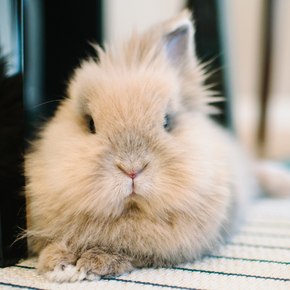
Winter care essentials for Northamptonshire rabbits young and old


As the weather in Northamptonshire starts to change, our pets’ needs also change with the season. Depending on the type of small furry pet you have, their needs will often be different. For some it may mean preparing them for hibernation, changing their food intake, giving them different types of bedding, or even adapting lighting or heating systems for winter.
Rabbits are no different and will require different levels of adaptation to ensure they are kept safe and healthy during the winter months; side note, rabbits DO NOT hibernate.
So, before the weather outside gets frightening… read Northlands’ advice on how to prepare your pets for a cold winter in Northamptonshire.
If you have any concerns about your rabbits’ health right now,
Preparation suggestions for winter
Top tips for protecting your rabbits this winter. Use this as a checklist to ensure you have everything covered:
1. Consider bringing your rabbits’ enclosure indoors for a period of time – they may be covered in fur but will still feel the harsh cold temperatures.
2. Ensure their accommodation is suitably insulated – you could wrap the sides in a blanket or duvet when it gets too cold.
3. Bedding types may need to be changed to suit the colder weather, and you should add extra bedding for your rabbits to burrow into.
4. Insulate water feeders to protect them from freezing. Check them regularly to ensure your rabbits always have access to water. If they are freezing up indoors, it’s too cold in your house.
5. Weight-check your rabbits to ensure they do not gain too much weight over winter as this can be detrimental to their health and affect their ability to groom/clean themselves.
6. If you notice your rabbits’ weight increasing, review the amounts and types of food you are giving them to reflect the extra calories.
7. Ensure any outside run is safe and usable during winter months or create an indoor run to ensure they still have exercise space.
8. Get your rabbits’ health checked with one of our Oakley Vale vets to ensure your pets are fit and healthy going into winter.
By regularly checking over your rabbit at home too, especially before we go into the coldest period, you can monitor them for changes. This will help to ensure they remain healthy and comfortable, especially as winter can be very unpredictable. We have another checklist for you below, for you to do at home.
Winter care for seniors, babies, and unwell rabbits
If you have senior or geriatric rabbits, it will be more important than ever to move them indoors and keep them warm this winter to avoid them becoming uncomfortable and unwell. Most older rabbits suffer with pain and stiffness, usually some level of arthritis, and the cold can really exacerbate their symptoms. If you notice your rabbits are struggling to get around like they used to, are less keen to jump about, or are struggling to groom themselves, call us on 01536 745212 for advice as soon as possible.
The same goes for very young or unwell pets – these can struggle in cold temperatures and be susceptible to illnesses. If your rabbits are shivering, or sleeping more, chances are they are too cold.
8-point rabbit checklist
According to our Vets this is what good health in a rabbit looks (and smells) like:
1. Nose: clean, clear, and subtly moist.
2. Eyes: bright and clear; no discharge or redness around the eyes.
3. Mouth: healthy looking teeth with no breakages or sharp points.
4. Ears: clean and clear with no discharge, swelling, nasty smells, or constantly scratching.
5. Coat/skin: shiny healthy coat with no dandruff, parasites, bald patches, lumps, or bumps. Well-groomed with no faeces stuck to their coat or urine patches.
6. Weight: healthy lean weight.
7. Faeces: soft caecotrophs that will be eaten off the bottom or the hutch floor, and harder, second-pass poo pellets. A reduction or change to either is cause for concern.
8. Appetite: grazing most of the day; going more than 7 hours without food could make them very ill, very quickly.
If you spot any changes in your rabbit that you are concerned about, it is best to get them checked by any of the vets at our Charter Court surgery, to be on the safe side.
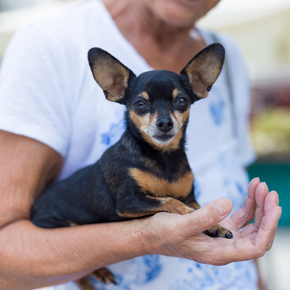
Life hacks for senior dogs – help them enjoy a more comfortable life
As our pets get older their needs change. Our Head Vet advises that dog owners will need to adapt their pet’s home environment, lifestyle, and routine to reflect these changes and give their pet the best quality of life in their senior and geriatric years.
Our veterinary team at Northlands are highly experienced when it comes to treating senior pets and are here to help if you have noticed your dog struggling with mobility or simple tasks. Perhaps their behaviour has changed too?
Bring your dog in for a senior health check so our vets can see what’s going on and offer you practical advice.
Home & lifestyle changes for senior dogs
Adapting your senior dog’s home environment and routine is important to ensure their comfort and wellbeing. We recommend implementing these 6 changes and lifehacks to help make life easier for them.
1. Avoid any impactful exercise such as jumping and ball catching
2. Add non-slip rugs (or anti-slip tape underneath existing rugs) to laminate/tiled floors to prevent slips
3. Raise food and water bowls off the floor
4. Add ramps to steps or flooring height changes where your dog may struggle
5. Get good quality, supportive bedding – try memory foam
6. Do little exercise more often, rather than fewer long walks
Now, let’s look at these points in more detail.
Exercise
Simple environment and lifestyle changes really can have a huge impact on your senior dog’s comfort levels, as well as their mental health. Exercising regularly can help to keep their joints moving and give their minds regular mental stimulation. However, it’s important the exercise is little and often so that they are not doing too much that could cause harm to their joints. Avoid walking small dogs off high pavement curbs and avoiding exercises that may cause impact to the joints such as playing frisbee and catch.
Swimming can be a great exercise for senior dogs as the warm water supports their joints and helps to strengthen muscles, whilst having a positive impact on their overall wellbeing.
Talk to one of our experienced vets or nurses at Northlands about how to get a vet referral for canine hydrotherapy.
Flooring
Modern day houses often have laminate and tiled flooring which can be a slip hazard to many dogs. As well as causing injuries, pets can develop anxiety about walking across flooring. Using non-slip rugs and runners is a great way of helping to give your dog stability and better grip so those incidents can be avoided. Lifehack – you can buy anti-slip tape to go under rugs too.
Food & water bowls
Many dogs eat and drink from a bowl off the floor. This can put a lot of pressure on their front legs when leaning down and make it uncomfortable. Raising the bowls up helps to relieve the pressure off their legs and makes eating and drinking more comfortable. This is very important in older dogs as they will often have higher hydration needs.
Impactful activities
As well as impactful exercises, it’s also important to consider the day-to-day activities that may be a concern. Activities such as going up and down stairs, jumping on and off the bed or settee, and in and out of the car, all put added pressure on a dog’s joints. Using ramps is a great way of still enabling your pet to do these activities but without the stress on their joints that can cause discomfort.
Comfortable bedding
As our pets age their activity levels decrease naturally and they spend more time resting and sleeping. Appropriate bedding can really make the difference between a comfortable or uncomfortable rest. Avoid using beds with high sides that can make it difficult to get in and out of as well as bedding that is very soft and unstable. Memory foam beds usually give good support whilst being comfortable and are a great option for arthritic dogs. For pets showing signs of incontinence, the use of toddler mattresses can be a great way of giving them comfort whilst keeping their bed hygienic.
Many of these simple changes really can make huge improvements to your dog’s comfort. However, different dogs have different needs based on their health, size, and activity levels.
Discussing your pet’s needs with one of the vets or nurses at our Northampton practice can help you identify more of these simple changes that can make a big difference.
Senior dogs & arthritis
Our team can also help you learn how to manage canine arthritis at home – a condition that affects most senior dogs. Speak to our team at Northampton about the many resources that are available for arthritic dogs and the support we can offer to your pet and you – get in touch.
You may also find the Canine Arthritis Management website helpful as it has advice and products for arthritic dogs – visit it now.
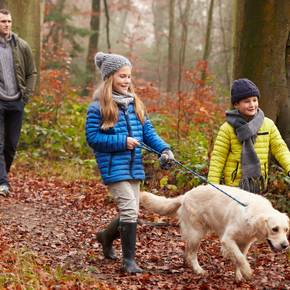
Dogs will love Northlands’ guide to a tail-wagging December
Christmas is coming… and our thoughts turn to what pet owners can do to have an enjoyable time of year with their dogs. The team at Northlands have shared their top 5 UK places to take dogs as well as alternative fun you and your dog can have closer to home.
If, after reading our article you have a favourite dog walking hotspot or home activity we’ve not covered, why not share it with other dog owners in Northamptonshire via our Facebook page?
Share your dog tips on Facebook
We’ve also got some fun activities you can try at home with your dog – download it now!
Dog walking hotspots in the UK
If you and your dog enjoy getting out regardless of the weather, here are our Northlands team’s top 5 suggestions for where you can go together this month:
1. The Lake District – This is one of the most stunning places all year round and pet owners travel for miles to take their dogs on the long, beautiful walks.
2. Cornwall – We often think of Cornwall as a summer destination, but winter is the real time to play as many of the beaches closed to dogs in summer are now open to welcome canine visitors.
3. Snowdonia National Park – Also famous for its beautiful scenery and long walks, Snowdonia is a beautiful place to take your canine friend for a ramble. Be extra careful in icy conditions though as driving there and walking can be tricky.
4. The Cairngorms – This mountain range in Scotland is a dog walker’s paradise; you can even go monster hunting with a cruise on Loch Ness!
5. Cotswolds Water Park – This is a beautiful place to walk dogs; they will need to be kept on a lead in most areas to protect the wildlife but it’s still worth the visit.
If you are planning to be out and about during December with your dog, our Northlands vet nurses advise you to always plan ahead:
• Make sure you are familiar with the walking route you are taking and the daylight hours as these may vary across the UK – it’s unwise to explore outside of daylight hours.
• Always take a first aid kit for both you and your canine partner.
• Ensure you have all the supplies you will need to keep dry and warm. Ruff & Tumble dry coats (and other available brands) can be helpful to warm your dog after their activity.
• Our Head Vet also advises that you should always consider your pet’s health and abilities, especially if they are older, before planning a new adventure.
Local dog friendly walks
If you don’t fancy going on a big adventure this close to Christmas, or are worried about the short days and potential bad weather, our team have come up with some ideas for entertaining your dog a little closer to home:
1. Most local garden centres and an increasing number of cafes in Northamptonshire are dog friendly and enable your dog to hang out with you while you shop, potter around, or relax with a hot drink and cake.
2. You’ll be surprised how fun a trip to the pet shop can be for your dog – all their favourite smells and the chance to find a rogue dog biscuit on the floor? Paradise for dogs!
3. Many National Trust locations and other attractions in the UK allow dogs in parts of their grounds if you want to walk them somewhere out of the ordinary.
Dog fun at home
The team at Northlands have also got the perfect solution if you just fancy an indoors day or want some ideas to supplement your dog’s usual activities including tricks for treats, and timed laps around the house! Download these here:
Try these Winter Indoor Dog Activities
With Christmas around the corner, you might be thinking about Christmas gifts for your dog too. Our vet nurses recommend searching for dog boredom puzzles and toys. The more interactive the game can be, the better stimulation for your dog, especially in months where you may not be getting outdoors as much and need something to help fight boredom.
Scatter feeding, where you scatter your dog’s mealtime biscuits across the floor can make things more interesting, especially if you play hide and seek with some of their biscuits too!
Whether it’s getting out and about, games at home, or toys and gifts to put under the Christmas tree, it’s important to make sure your dog is safe and happy.
Remember to share your top dog-friendly places to go in Northamptonshire and beyond on our Facebook page!
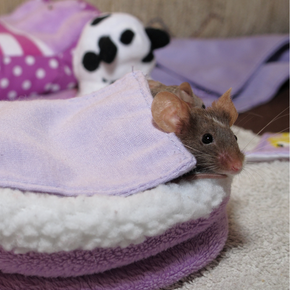
Northlands’ guide to winter care for pet mice and rats
If you are the proud keeper of pet mice or rats, it is important to not overlook their housing and welfare needs during the winter. Even in Northamptonshire, the effects of harsh winter temperatures and weather can surprise us so it is wise to be prepared for what could happen.
Plus, we have all seen the effects of the COVID-19 pandemic on previous winters, so preparation now is key.
We are talking power cuts and frozen pipes, plus heat, food, and supply shortages.
The nursing team at Northlands Northlands have put together a checklist to help you keep your pet mice or rats warm and safe during the cold winter months ahead.
Winter welfare tips for mice and rats
1. Move your pets indoors – place their hutch or cage in a warm and quiet part of your home. Your room will need good ventilation but no drafts to avoid health problems. Avoid rooms with open fires/fumes and bright lighting.
2. Keep the room temperature above 10 degrees Celsius – if it could drop below, use thermostat-controlled heating. Small mammals, especially very old/young pets, are more susceptible to bacterial and viral infections in cold weather, as well as hyperthermia. Central heating is ideal or if using any free-standing heat sources they should have an automatic shut-off if they get knocked over. Don’t place your pet’s housing too close to the heat source and keep an eye on the temperature gauge.
3. Avoid outdoor exercise & play – instead, make a safe space indoors for your pet to enjoy.
4. Add extra bedding materials – these will provide extra warmth and opportunities for your pet to burrow and snuggle into them. Be sure to research safe bedding choices for your species of pet.
5. Regularly check their water bowl/bottle to ensure it hasn’t frozen over – side note, if it has frozen, the room temperature is far too low to keep your pet mice or rats healthy.
6. Have a back-up plan – ask yourself these questions now and make a plan now:
a) How will you keep your pets warm if you have a power cut?
b) Do you have bottled water in case the pipes freeze?
c) Do you have enough of your pet’s food if you can’t get any for a period of time?
d) Do you have enough bedding and other supplies?
On the first point, wrapping a duvet around the sides of the cage can help, as can placing a hot water bottle next to the cage (outside) as long as you can boil water!
7. If your pet seems out of sorts contact a vet – monitor your pet and if they are displaying signs of ill health or behaviours out of the ordinary, it would be wise to consult with one of our vets.
If you are in any doubt about the correct temperature for your species of small furry pet, or you have any other questions, contact the team at Northlands for advice.
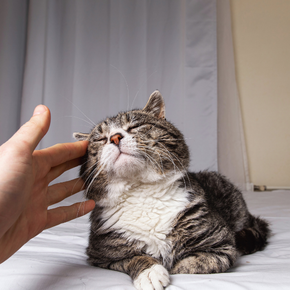
Vital winter checks for senior and arthritic cats in Oakley Vale
Just like us, arthritis in cats can be exacerbated by many things, cold weather being one of them. As the weather starts to change in Oakley Vale, it is important to start observing your cat for any changes in their health and implement things to support them through the winter months.
The team at Oakley Vale, have some advice for cat owners on how to spot common signs their cat is starting to struggle at home in between annual and 6-monthly vet checks.
If you have any concerns about your cat’s health right now,
What age do cats get arthritis?
Arthritis will affect 80% of cats over the age of 10, according to the Cats Protection charity. However, many cats will start to develop this at a younger age and will need more monitoring, care, and support.
According to Northlands Oakley Vale, feline arthritis often goes undiagnosed because cats are masters of disguise when it comes to hiding pain. There are some signs cat owners can look out for at home though.
Common signs of aches and pains in your cat
Our Head Vet lists common signs that may show your cat is in pain below:
• Depression and lack of interest
• Behaviour changes
• Sleeping more
• Finding warmer spots in the house
• Not wanting to go outside
• Toileting around the house
• Struggling to jump on or off surfaces
Any of these signs may indicate that your cat is feeling stiff or painful and not wanting to be as active/interactive as they would normally be. When it’s cold outside, or even inside, these signs may be more visible.
How to keep your arthritic cat comfortable
Our Vet team has some simple tips for reducing your cat’s discomfort this winter:
• Make sure your cat has a choice of accessible, warm beds to sleep on – avoid beds with high sides they may struggle to get into
• Encourage regular, gentle exercise to keep the joints moving
• Ensure water and food bowls are low down to reduce the need for jumping
• If they are normally an outdoor cat for toileting it may be worth having a litter tray indoors in case they are struggling to get in and out
• Book a check-up with one of our Oakley Vale cat vets to see if they need medication or supportive therapies to reduce their pain
By regularly checking over your cat at home and looking out for the above signs, you can help monitor for changes as Oakley Vale temperatures plummet.
If you do spot any changes in your cat that you are concerned about, it is best to get them checked by any of the vets at our Northlands Oakley Vale surgery. The chances are it is something simple, but it is better to get it looked at and get your cat the treatment they need.
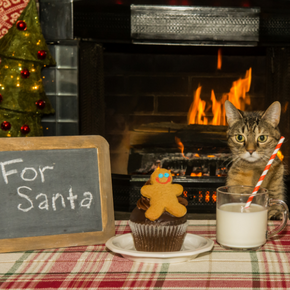
Cat and dog owners need Northlands Northampton’s Christmas list of pet poisons
Christmas is a joyous time of year filled with fun and family gatherings; however, festive presents, decorations, and food can often prove to be dangerous for our inquisitive companions. Read Northland Northampton’s guide below to find out more about common Christmas dangers that our cats and dogs can encounter.
Unfortunately, lots of our loved products we indulge in over the Christmas period are poisonous for our cats and dogs. Northlands Northampton team explains this a bit further – poisons are any chemical substance that causes harm when ingested by damaging cells, shutting down organs, and even causing death. Here is a list of the most common poisons for our pets over Christmas.
Download our essential oils and pets infographic
Northlands in Northampton’s Christmas danger list:
Human Food
One of the big Christmas killers of pets is food, according to our head vet. Popular treats can be toxic to pets, including:
– Chocolate
– Grapes, raisins, currants, sultanas and anything with them in I.e., mince pies and Christmas pudding or cake
– Alliums such as onions, garlic, and leeks
– Alcohol
Beware of foods such as gravy and leftovers which can contain these fatal ingredients. On top of this, fatty foods can cause gastrointestinal upsets such as vomiting or diarrhoea, and foods high in sugar, salt, and spice can cause health problems too.
Christmas Plants
If you’re planning on having a kiss under the mistletoe this Christmas, make sure it’s out of your pet’s reach! Plants such as mistletoe and holly are poisonous when ingested and Christmas tree needles are very spiky so will be particularly dangerous when swallowed. Also, plants such as ivy and poinsettia are dangerous, and potpourri can clog up their throats when ingested, so keep them out of reach too.
Decorations
From baubles, ribbon, wrapping paper, and tinsel to tree lights, batteries for gifts, and fake snow; Christmas brings lots of new furnishings which may excite our furry friends. If any of these objects are ingested by your pet, Northlands Northampton advises pet owners to call our Northmapton practice straight away as materials can get lodged or cause burns or discomfort.
Household products and medication
It is always useful to know that cleaning products and any pills left lying around will most likely be toxic for pets. Antifreeze is highly toxic to cats and dogs. Be careful of anything lying around the house during the festive season. Call us immediately if your cat or dog has swallowed anything or has any substances on their fur or skin.
Essential oils
Whether you use these yourself via candles, diffusers, oil burners, or out of the bottle, or you have bought one as a present, be aware that many essential oils are poisonous to pets, especially cats. Google the oil before using it and keep it well out of your pet’s reach if necessary. Some oils can cause harm through inhalation or absorption through the skin too.
Keep in mind that our list above is not exhaustive and only outlines the most common household dangers for cats and dogs. If your pet has ingested or come into close contact with any of the hazards above, or anything else you are concerned about, contact our vets immediately.