
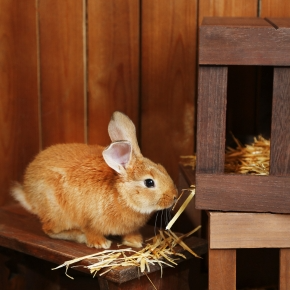
Northlands Cat & Rabbit Care Clinic’s DIY Rabbit Digging Box Project


Let’s face it, bunnies were born to dig! It’s in their nature, from burrowing for shelter in the wild to simply enjoying the satisfaction of creating a cozy den. But what happens when that digging instinct takes aim at your living room carpet? Don’t worry, Northlands Cat & Rabbit Care Clinic has got you covered with a fun and easy DIY project: The Bumper Digging Box!
Call Us For More Rabbit Advice
Easy DIY: Bunny digging box
Below, our rabbit-loving nursing team in Northampton explain how to build a digging box for your bunnies. Here’s what you’ll need:
- A large plastic or cardboard storage box, or a wooden crate (big enough for your bunny to hop in comfortably)
- Smaller cardboard boxes (enough to fill most of the storage box)
- Newspaper (shredded or crumpled)
- Hay – lots and lots of hay!
- Treats (optional, but highly recommended!)
- Scissors or a Wood Saw (adult/supervision required) if making entrance/exit tunnels
Let’s Get Digging!
- Box it Up: If you’re using a cardboard storage box or wooden crate as the main container, cut out an entrance on one side. If you prefer to use a plastic storage box, you can leave the lid off and place the box on its side for easy access or use a shallow tub that your bunny can hop into easily. The choice is yours!
- Cardboard Chaos: Place the smaller cardboard boxes inside, you may want to cut some into squares or strips. The more cardboard carnage, the better!
- Newspaper Nest: Scrunch up some newspaper to add another layer of digging fun. Newspaper is great because it’s safe for bunnies to chew on and can help absorb any accidents.
- Hay Heaven: This is the pièce de résistance! Fill the box with a generous amount of hay. Hay provides excellent digging material, keeps your bunny’s teeth healthy, and can become a tasty snack during their burrowing adventures.
- Treat Time (Optional): Hide some treats throughout the box to encourage your bunny to explore their new digging paradise. This adds an extra element of fun and positive reinforcement.
- Top Tip: If you have multiple bunnies, consider creating separate digging boxes to avoid any territorial tussles.
Remember, this digging box is just one way to keep your bunny entertained and satisfy their natural burrowing instincts. Our nursing team in Northampton advise that you should make sure they also have plenty of space to hop around and exercise outside the box.
Happy digging (and hopefully less carpet-shredding) from all of us at Northlands Cat & Rabbit Care Clinic! If you’d like any more advice on bunny care, do get in touch with our friendly nurses. And remember to share our article and DIY project with other rabbit owners!
Call Us For More Rabbit Advice
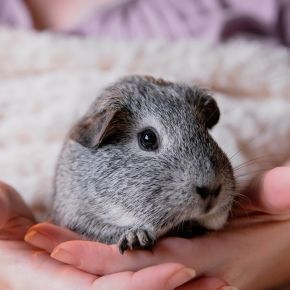
Northlands Northampton helps owners understand pain signs in rabbits, guinea pigs and hamsters
Did you know that September is Pet Pain Awareness Month? Our team at Northlands Northampton truly understand how distressing it can be to see your pet in pain. With cats and dogs, pain signs can be more obvious such as a lower posture or limping. However, small animals, such as guinea pigs, hamsters and rabbits, are much more obscure when it comes to showing signs of pain.
We’ve put together the following advice on how owners can closely monitor their small furry pet for indications they may not be feeling themselves.
Call us if you have any concerns
Why do small furry pets hide their pain?
Hiding pain is a natural survival instinct for many small furry pets as, in the wild, they are prey animals. Showing signs of illness or injury could be very dangerous to a small animal, making them experts in hiding pain to make them less likely to be hunted. This adaptive instinct has been passed on to their domesticated counterparts, so your own pet will also try to hide when they feel under the weather.
What signs to look for
Loss of appetite
The team at Northlands Northampton know that a loss of appetite can be an indicator for an undiagnosed medical condition that could need veterinary treatment. Chronic and acute pain can affect your pet’s ability to eat a nutritious meal and some of the conditions we diagnose from this symptom could be dental disease, diabetes and cancer amongst others.
Reduction/increase in water consumption
Monitoring the water consumption of your pet is a useful tool to work out whether they could be dehydrated or suffering from a condition that increases their thirst.
- Rabbits should consume approximately 50-150ml per kilogram of their body weight daily
- Guinea pigs should consume roughly 80-100ml of water per day
- Hamsters should drink 10-30ml of water per day
Note that this figure increases if your small furry pet is pregnant or lactating.
Aggression & behavioural changes
Becoming more aggressive is a sign of pain. Monitor your pet to see if they are scratching or biting more than usual and take precautions if so – an animal in pain will sometimes not distinguish between their kind human carer and something they can use as an outlet for pain control.
Being excessively jumpy or appearing nervous are both signs of behavioural changes that affect small furry pets. These can indicate pain but sometimes also appear when your pet is feeling stressed or unhappy. Book an appointment with Northlands’ veterinary team so we can help distinguish between pain or stress and start any necessary treatments.
Vocalisation
If your small furry pet is crying, whimpering or screaming, contact us immediately. This is a sign your pet is distressed and could be in a large amount of pain.
Posture and movement changes
If your pet is hunched over, looks stiff or is exhibiting a different gait to usual, that this is because of pain. Even just avoiding activities they usually love, such as running on their wheel or exploring the house, could be a sign that something may be affecting your small furry pet, such as arthritis or muscle/tendon strains. Contact our team on 01604 637175 to book an appointment with a vet.
Hiding in their environment
Hiding is another one of those evolutionary tactics that small animals have developed to disguise that they may be feeling pain. Hamsters instinctively burrow to protect themselves and other pets will also hide in their houses. Knowing your pet’s usual movements is essential in understanding whether they are acting differently to normal. Closely monitor your small furry pet and if they do seem to be hiding away, contact our team for more advice.
If you notice any of the signs above, it could mean your pet is in pain. Contact our team of experienced vets who will be able to assess your pet and make a diagnosis and treatment plan – ensuring they are back to their normal self in no time.

Who is your favourite famous cat?
This month, we spoke to our nursing team at Northlands to find out their favourite famous cats! Dominating films, television adverts and cartoons, the following kitties are firm winners in the eyes of Northlands’ nurses.
Can you think of any other famous felines that didn’t make Northlands’ list? Why not share your own favourite famous cats on our Facebook page?
Share your favourite famous feline
- Garfield – A comic strip and cartoon character who is known for his love of lasagne and sarcastic humour.
- Tom – A cartoon cat who is the main antagonist in the Tom and Jerry cartoon series.
- Grumpy Cat – A cat who became famous on the internet for her permanently grumpy expression.
- Felix the Cat – A cartoon character who was first created in the 1910s and has since appeared in various forms of media.
- Lil Bub – A cat who became famous on the internet for her unique appearance and charming personality.
- Cheshire Cat – A character from Lewis Carroll’s ‘Alice’s Adventures in Wonderland’ known for his mischievous grin.
- Hello Kitty – A Japanese character created by Sanrio, known for her cute appearance and merchandise.
- Simba – A lion cub who is the main character in Disney’s ‘The Lion King.’
- Bagheera – A black panther who appears in Rudyard Kipling’s ‘The Jungle Book’ and various adaptations.
- Salem – A talking cat who appears in the television series ‘Sabrina the Teenage Witch. ’
Famous cats are fantastic and fun, and we hope they make you smile too!
Now, back to the most special feline of all… your cat! Remember to ensure their preventative healthcare is up to date and they are a healthy weight.
We can help with this so why not book an appointment for your cat with our team at Northlands or contact us today for more advice? .
Did we miss any off the list? Share who your favourite famous cat is on our Facebook page and make our nursing team’s day!

Who is your favourite famous cat?
This month, we spoke to our nursing team at Northlands Cat & Rabbit Care Clinic to find out their favourite famous cats! Dominating films, television adverts and cartoons, the following kitties are firm winners in the eyes of Northlands Cat & Rabbit Care Clinic’s nurses.
Can you think of any other famous felines that didn’t make Northlands Cat & Rabbit Care Clinic’s list? Why not share your own favourite famous cats on our Facebook page?
Share your favourite famous feline
- Garfield – A comic strip and cartoon character who is known for his love of lasagne and sarcastic humour.
- Tom – A cartoon cat who is the main antagonist in the Tom and Jerry cartoon series.
- Grumpy Cat – A cat who became famous on the internet for her permanently grumpy expression.
- Felix the Cat – A cartoon character who was first created in the 1910s and has since appeared in various forms of media.
- Lil Bub – A cat who became famous on the internet for her unique appearance and charming personality.
- Cheshire Cat – A character from Lewis Carroll’s ‘Alice’s Adventures in Wonderland’ known for his mischievous grin.
- Hello Kitty – A Japanese character created by Sanrio, known for her cute appearance and merchandise.
- Simba – A lion cub who is the main character in Disney’s ‘The Lion King.’
- Bagheera – A black panther who appears in Rudyard Kipling’s ‘The Jungle Book’ and various adaptations.
- Salem – A talking cat who appears in the television series ‘Sabrina the Teenage Witch. ’
Famous cats are fantastic and fun, and we hope they make you smile too!
Now, back to the most special feline of all… your cat! Remember to ensure their preventative healthcare is up to date and they are a healthy weight.
We can help with this so why not book an appointment for your cat with our team at Northlands Cat & Rabbit Care Clinic or contact us today for more advice? .
Did we miss any off the list? Share who your favourite famous cat is on our Facebook page and make our nursing team’s day!
Why pet insurance is a wise investment for our pets
To pet insure or not to pet insure – that is a common question. When thinking about your pet’s health you want to make sure they have the best possible protection in the event of an illness or injury occurring.
The team at Northlands encourage pet owners to be prepared for any life-changing or indeed life-saving treatment their pet might need. Pets become a huge part of the family and when they are unwell or in pain, being able to get them the treatment they need instead of what is affordable at the time can make all the difference.
Read our team’s advice on why pet insurance is a wise investment.
If you have any further questions or wish to discuss how we can help with insurance claims, do get in touch.
Why is pet insurance a wise investment?
1. You can insure many types of pets
You might think that pet insurance is only for dogs and cats, but you’d be wrong. Our Vet advises that you can get insurance for a wide variety of pets including rabbits, reptiles, and other exotic pets.
2. Being prepared can give you peace of mind
Unexpected costs can come as a shock, but having the appropriate pet insurance can help to alleviate some of the stress. You can never guarantee when an injury or illness may happen and so it’s wise to always be prepared, which can give you peace of mind.
3. A wide range of benefits
Some pet insurance providers also offer cover and benefits that go beyond payment for illness and injury. They may offer alternative therapies, wellness benefits, and many other services including support if your pet goes missing. It is wise to shop around!
What is the best type of pet insurance?
When thinking about pet insurance it can be confusing with all the different companies and policies they offer. However, there are a few key points to look out for:
- What is the amount of coverage for any illness/injury?
- Does it offer third party liability?
- Is it lifetime cover or will the cover for an illness end after a certain amount, or time?
- Are there any exclusions?
- Will there be a co-payment or other change in pricing structure when your pet hits a certain age?
- What is the excess?
- Does your vet deal directly with the company?
Lifetime cover is typically the most helpful type of pet insurance as it usually offers cover for illness (including ongoing conditions like arthritis) and injury for the rest of a pet’s life, so long as you’re insured with that provider.
Contact us for advice on making an insurance claim
How much cover do you need?
When looking at the amount of coverage provided, Northamptonshire pet owners need to think about the size of the animal they have and the likely costs that may incur. For example, treatment for larger dogs will quite often incur higher veterinary costs due to them requiring larger amounts of medication. However, this is not the only consideration; if you have a breed that is more likely to have more or ‘expensive to treat’ health conditions, you will also likely need a higher policy amount.
What about previous/exiting conditions?
If your pet has a previous or existing condition, this will need to be disclosed before purchasing a new pet insurance policy and may result in exclusions within the policy – it is a legal requirement that all conditions are disclosed.
Why is third-party liability important?
One other consideration is third-party liability. Whilst you might think of pet insurance only looking after the health of your pet, it is also there in case your pet was to cause injury or damage you would then be covered.
What is a co-payment?
Due to the fact that pets typically need more treatment for illnesses as they get older, some pet insurance companies increase policy prices (or renewal prices) by a higher percentage when pets hit a certain age. Some insurers might also require a ‘co-payment’ – which means that should you need to make a claim, you will pay (usually) a percentage of the costs before they settle the rest.
What about excess?
When looking at the excess amount (the amount you will pay towards the claim cost), you can often understand how changing the excess amount changes the policy monthly or annual price, before you purchase it. You might decide that paying a higher excess amount and lowering the cost of the policy is the best option for you, or vice versa.
The team at Northlands advise pet owners that it is important to remember that a pet insurance policy is a contract between you and your insurance provider. It is not a pet health plan and does not cover routine pet health care. Pet insurance is there to provide cover for illnesses and injuries that could occur and therefore you should always make sure you understand the policy benefits, exclusions and terms before making your purchase.
Our team also recommend that pet owners put a lot of consideration into choosing a policy as if you decide you want to change your policy provider down the road, any existing conditions will probably not be covered.
Contact us for advice on making an insurance claim
If you are looking for a pet health plan that helps with routine preventative care, get in touch.
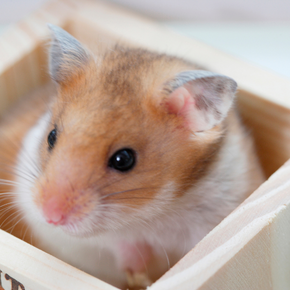
Vets in Northampton talk mites, lice, and other parasites on small furry pets
Parasites are a common concern for small pets like hamsters, gerbils, and guinea pigs; they are susceptible to a variety of parasites that can cause serious health problems if left untreated. In this article, one of our Northampton vets is looking at some of the most common parasites that affect these popular pets and what you can do to protect them.
Notice the signs below? Contact us
Mites
According to our vets, one of the most common parasites that affect small pets is the mite. Mites are tiny, eight-legged creatures that can cause severe itching and irritation. They are most commonly found on the skin, in the ears, and in the eyes. Mites can be difficult to detect because they are so small, but they can cause severe itching and scratching, hair loss, and even secondary infections. Have you spotted any of these signs of mites on your hamster, fancy rat, or gerbil? It’s important to keep your pet’s cage clean to try and prevent mites. We recommend that you book an appointment at our Southfield Road surgery if you have any concerns.
Lice
Another common parasite that affects small pets is the lice. Lice are tiny insects that live on the skin and fur of small pets. They can cause itching and scratching, and they can also lead to secondary infections. Lice can be difficult to detect, but they can be treated with topical medications that can be prescribed any of our vets.
Worms
When compared to mice and rats, tapeworm infection in hamsters is more common. Typically, hamsters contract tapeworms from contaminated water and/or feed. It is wise to be aware that some tapeworms that infect hamsters can also infect people. Worms can cause diarrhoea, weight loss, and other health issues. Treatment for internal parasites typically involves a medication prescribed by one of our vets.
Coccidia in Guinea pigs
Guinea pigs, in particular, are also at risk of getting a specific parasite, Coccidia which is a protozoan that can cause diarrhoea and weight loss.
To protect your small pet from parasites, it’s essential to maintain good hygiene in their living area and to schedule regular vet check-ups with our team here at Northlands. Keeping the cage clean and disinfected (look for pet-safe products), providing fresh food and water, and preventing your pet from coming into contact with wild animals or their faeces, can also reduce the risk of parasite infestation.
In conclusion, we’d advise that although parasites are a common concern for small pets, by keeping a close eye on your pet’s health, providing proper care and hygiene, and consulting with our vets, you can protect your beloved small pet from the harmful effects of these parasites.
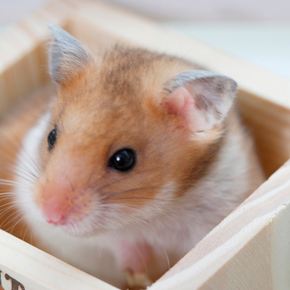
Vets in Northampton talk mites, lice, and other parasites on small furry pets
Parasites are a common concern for small pets like hamsters, gerbils, and guinea pigs; they are susceptible to a variety of parasites that can cause serious health problems if left untreated. In this article, one of our Northampton vets is looking at some of the most common parasites that affect these popular pets and what you can do to protect them.
Notice the signs below? Contact us
Mites
According to our vets, one of the most common parasites that affect small pets is the mite. Mites are tiny, eight-legged creatures that can cause severe itching and irritation. They are most commonly found on the skin, in the ears, and in the eyes. Mites can be difficult to detect because they are so small, but they can cause severe itching and scratching, hair loss, and even secondary infections. Have you spotted any of these signs of mites on your hamster, fancy rat, or gerbil? It’s important to keep your pet’s cage clean to try and prevent mites. We recommend that you book an appointment at our The Drive surgery if you have any concerns.
Lice
Another common parasite that affects small pets is the lice. Lice are tiny insects that live on the skin and fur of small pets. They can cause itching and scratching, and they can also lead to secondary infections. Lice can be difficult to detect, but they can be treated with topical medications that can be prescribed any of our vets.
Worms
When compared to mice and rats, tapeworm infection in hamsters is more common. Typically, hamsters contract tapeworms from contaminated water and/or feed. It is wise to be aware that some tapeworms that infect hamsters can also infect people. Worms can cause diarrhoea, weight loss, and other health issues. Treatment for internal parasites typically involves a medication prescribed by one of our vets.
Coccidia in Guinea pigs
Guinea pigs, in particular, are also at risk of getting a specific parasite, Coccidia which is a protozoan that can cause diarrhoea and weight loss.
To protect your small pet from parasites, it’s essential to maintain good hygiene in their living area and to schedule regular vet check-ups with our team here at Northlands Cat & Rabbit Care Clinic. Keeping the cage clean and disinfected (look for pet-safe products), providing fresh food and water, and preventing your pet from coming into contact with wild animals or their faeces, can also reduce the risk of parasite infestation.
In conclusion, we’d advise that although parasites are a common concern for small pets, by keeping a close eye on your pet’s health, providing proper care and hygiene, and consulting with our vets, you can protect your beloved small pet from the harmful effects of these parasites.
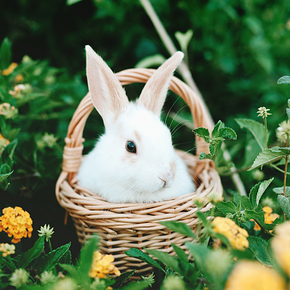
Rabbits at risk in Oakley Vale gardens this spring
With gardens across Oakley Vale and the wider Northamptonshire area coming alive this spring, you might be wondering if now is a good time to let your rabbits explore outdoors.
Most rabbits will love to roam free in the garden and outdoor exercise is highly recommended to keep them healthy – but be aware of possible hazards, as our team at Northlands explain below.
Before we dig in, as the seasons change in Northamptonshire, it’s a good idea to get your pets checked over by a vet to make sure they are fit and healthy and so potential health problems can be caught early. Book a rabbit check-up today.
Rabbit risks in your garden
According to our Head Vet and the rest of the vets at our Oakley Vale surgery, there could be risks to your rabbits in all corners of your garden. For example, some plants can be poisonous to rabbits – we have listed some common ones below. There may also be spots where predators could enter, or your rabbit could wander off into the great unknown.
And, of course, there are invisible dangers like life-threatening viral diseases that can be caught from fleas and other biting insects – have your heard of Myxomatosis and Rabbit Viral Haemorrhage Disease (R-VHD)? This is why it’s so important to keep your rabbits’ vaccinations up to date – book a rabbit vaccination now.
10 actions to reduce risks in your garden for your rabbits
Before you let your rabbits hop out of their hutch, check out our garden safety tips below, and if you have any more questions feel free to ask our team.
Taking some simple precautions can make your garden safer and keep predators like foxes, cats, and dogs at a safe distance. You also want to make sure your rabbits can’t run off, of course!
- Set aside a specific area of the garden for your rabbits; it’ll be easier to monitor them
- Make sure your fence is at least four feet high.
- Put wire mesh underneath fences and bushes to a depth of 30cm (to prevent digging).
- Check regularly for escape holes.
- Never use weed killers, pesticides, insecticides, particle fertilisers, or slug pellets anywhere near your rabbits’ grazing area.
- Never leave your rabbits unsheltered from the weather. If their hutch is outdoors, make sure it’s not in direct sunlight which can get hot, even in spring.
- Never leave your rabbits unattended whilst outdoors.
- If you feel there could still be dangers after implementing the above, we recommend creating a large, enclosed outdoor run so your rabbits can enjoy some freedom outdoors, whilst you have peace of mind they’re protected.
- Remove any plants from your rabbits’ grazing area that are toxic to them – see below.
- Groom your rabbit when they come indoors to check for fleas, flies, and anything else of concern.
Plants that are poisonous for rabbits
Sadly, some of the prettiest plants found in gardens across Northamptonshire are the most damaging if eaten by a rabbit. If you suspect your pet has eaten a poisonous plant, contact us immediately for advice.
Common plants that are toxic to rabbits include:
- Azalea
- Buttercups
- Deadly nightshade
- Foxglove
- Geranium
- Horsetail
- Ivy
- Most bulb plants (including daffodils)
- Poppies
- Yew tree
- Rhubarb and tomato plants
There are many apps for identifying plants and plenty of resources online to find out if they are problematic – search for ‘plants that are toxic to rabbits’. If you need any help with this or have concerns, contact us and our Oakley Vale team will be happy to help.
We hope you found our article on garden safety for rabbits helpful. Remember to get your pets checked over, vaccinated, and ready for the warmer months ahead.
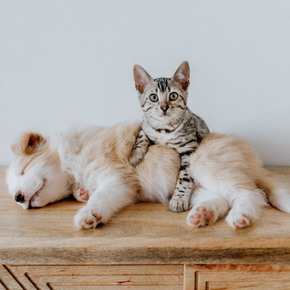
Vets in Northampton offer advice on which pets need neutering and why
The benefits of spaying and castrating pets, or collectively known as ‘neutering’, are numerous and worthy of careful consideration by pet owners. With World Spay Day 2023 at the end of February, we think now is the perfect time to share our knowledge and advice on this subject.
Our Northampton veterinary surgeons advise that a potentially longer life, removing the risk of certain tumours and life-threatening health conditions, reducing some aggressive and undesirable behaviours, and the elimination of unwanted pregnancies are just a few of the general benefits.
If you’d like to discuss the pros and cons of having your pet spayed (female) or castrated (male), please do get in touch with our Southfield Road team.
Companions, wellbeing, and neutering
You could consider neutering a contributory factor to your pet’s general wellbeing and happiness if you are considering getting them a companion. When thinking about having two pets there are a few things our vets suggest you consider in relation to having one or both neutered. These include,
- Are you having pets of the opposite sex, or will your pets encounter the opposite sex outside of your home?
- Do they need to be neutered to stop unwanted pregnancies?
- Do they need neutering for other health reasons?
- If paired with the same sex, are they more likely to fight?
Below are some of the most common pets we see in pairs, and what pet owners should be thinking about (including our spaying and castration advice) when considering a second pet for company.
Dogs
Dogs are social animals, and they can be happy with just you for company or with a canine companion. Slow introductions are important when bringing a second dog into a home to avoid disagreements. Our Head Vet John advises that if you are considering keeping a male and female, one will need to be neutered to prevent any unwanted pregnancies. Same sex pairing should be done slowly to ensure both are comfortable and happy with their partner. If introductions are done properly this should reduce any conflicts.
Cats
Whilst cats can be social, they often prefer to live on their own. To maximise your chances of successfully introducing a partner you should make introductions slowly. This is especially important in a multi-cat household. Also, it is vital to ensure there are enough litter trays and food & water bowls. Normally the rule is one of each per cat. As with dogs, John recommends neutering to prevent unwanted pregnancies, reduce any friction, and to enhance the health benefits mentioned at the head of this article.
Rabbits
Rabbits are very social creatures and would always live with others in the wild. If you’re keeping a mixed pair at home, one or both will need to be neutered to avoid unwanted pregnancies. Two females are more likely to fight if living together so careful consideration on the sex is important. Although, like other pets, same sex couples can live happily together if they are introduced slowly.
Guinea pigs
Guinea pigs are like rabbits in that they are very social but need to be neutered to live in an opposite sex pair. Two males are generally also at higher risk of fighting, so ideally having either two females or a male and a female would be best. John advises that wannabe owners should be aware that guinea pigs can mate from around 2 months old, and it is dangerous for a female to get pregnant after 7 months of age as she will almost certainly need a caesarean.
Ferrets
Ferrets have the most interesting story when it comes to neutering. In case you didn’t know, a male ferret is known as a ‘Hob’, a male ferret who had a Vasectomy is known as a ‘Hoblet’, and a castrated male ferret is known as a ‘Hobble’.
Female ferrets are interesting when it comes to their needs around mating and neutering. According to John, this is mostly because if a female ferret isn’t neutered, she can suffer catastrophic health complications.
Female ferrets, known as ‘Jills’, are what we call ‘induced ovulators’. This means they need to mate to stimulate the ovaries to release eggs. If a Jill does not ovulate, she’ll continue to produce estrogen and stay in season until mated. Remaining in season can cause many health problems, including alopecia (hair loss) and in extreme cases, death from estrogen associated anemia.
On the other hand, neutering male and female ferrets can lead to complications including the development of a hormonal condition called hyperadrenocorticism. This normally happens several years after neutering. So, if your ferrets have been neutered, John advises that appropriate monitoring and early detection and treatment are vital in managing symptoms should they arise.
That said, neutering is still the best way to stop females from being in season and to reduce aggression in males. There is also a female hormone injection that may help in some cases – talk to John or any of our Southfield Road vets for more advice – contact us.
Rats
Finally, rats. Rats are very social animals that are often happiest in single sex or breeding pairs. Unneutered ‘entire’ males stand a good chance of fighting but as with other pets, having them neutered will reduce aggression, diminish health issues, and avoid unwanted pregnancies.
Talk to our vets about neutering
If you’d like to discuss the pros and cons of neutering, especially if you’re thinking of getting a second ‘companion’ for an existing pet, then don’t hesitate to ask us for advice.
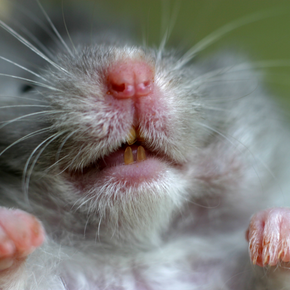
Northlands Cat & Rabbit Care Clinic share dental care tips for small furry pets
It’s pet dental health month so at Northlands Cat & Rabbit Care Clinic we’re recommending all our clients with ‘small furries’ book a nurse-led dental check, so we can give your rabbits, guinea pigs, mice, hamsters, or rats a dental once-over.
Book a ‘small furry’ dental check with a nurse
We’re raising awareness of the importance of oral health as many of the problems we see in little furry creatures at our Northampton practice originate from dental issues. This is why it’s so important to keep a close eye on your pet’s teeth.
Seven signs of dental disease in small mammals
According to our vet nurses, you should keep a sharp lookout for the following seven symptoms that indicate your pet may be suffering from dental issues:
- Not eating or difficulty eating
- Weight loss
- Swelling of the jaw, particularly noticeable along the lower edge of the mandible
- Excessive salivation and drooling
- An inability to fully close the mouth
- Watery eyes with matting of the hair in the corner
- Swollen appearance of the eye caused by infections behind the eyeball
The effect of diet on the oral health of rabbits & rodents
Most dental problems in rabbits and rodents are linked to a lack of normal wear on their teeth. This is because diets are often too low in fibre. A lack of fibre causes uneven wear of the teeth and in some cases, teeth become overgrown or develop sharp enamel points, known as spurs.
If spotted early enough, ‘spurs’ can be addressed by changing your pet’s diet to one rich in natural, high-fibre foods – Timothy Hay is ideal. Small furries love to nibble on dried grass to keep their continually growing teeth naturally filed down to a healthy length.
If your pet does have significantly elongated teeth, they will need trimming. NEVER do this yourself. If you live in Northampton or the wider Northamptonshire area, please contact us and we’ll trim their teeth safely.
Our four dietary suggestions for little pets
- Offer your small pets an unlimited amount of fresh Timothy Hay. As well as keeping their continually growing teeth naturally filed down, Timothy Hay also helps small animals maintain regular, firm bowel movements.
- Avoid muesli-style diets as these will cause long-term problems; a high-fibre diet is essential.
- Do not allow your pet to be a selective feeder.
- Buy the highest quality products whenever possible.
We hope you found our dental advice for ‘small furries’ helpful. If you’d like a little help checking your pet’s teeth, contact us to book a nurse-led dental check-up at our Northampton vet surgery for your rabbits, guinea pigs, mice, hamsters, or rats.
If our nurse finds dental issues your pet may need a vet consultation for further investigation, therefore if you suspect a problem yourself, we recommend booking a vet-check right away. Dental problems in rabbits and guinea pigs are an emergency.