
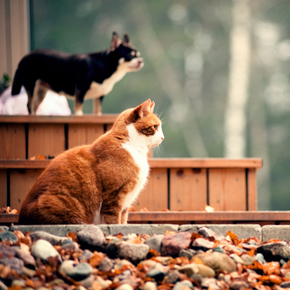
Common winter pet hazards in Northamptonshire and how to deal with them


Winter in Northamptonshire can be the most wonderful time of year for people and pets; with the snow, playtime with the family, and best of all, snuggling up under a comfy blanket and watching a film. It is important to keep in mind though, the dangers that colder weather can bring for your pets.
Here is Northlands’ guide to keeping your cats and dogs happy and away from danger over the winter months.
Winter hazards for pets and how to keep them safe
Winter pet hazards are pretty common, wherever you live. But what are the specific risks for your type of pet and them as individuals? Ask yourself, what is their lifestyle like? Indoor or outdoor cat? Does your dog shudder at the thought of getting rained on?
Despite pets having furry coats to keep them warm, it is our job as pet owners to provide the right care for when the temperature drops too low. So, here are Northlands’ top tips for keeping your cat or dog safe and comfortable in the frosty season.
1. Shelter
Make sure your pet has a place of refuge indoors (and outdoors for cats) especially when temperatures drop to below freezing. Soft blankets to keep them warm are greatly appreciated – especially by our feline friends!
2. Wellness
Cold temperatures can exacerbate the symptoms of some health conditions, arthritis especially. Book a winter wellness checkup with one of our vets at our 6 Station Road, Kettering surgery. They will perform a thorough examination to identify any healthcare issues that could get worse over winter.
3. Exercise
Being in the cold and wet for too long is not a good idea for your pet, but they still need to exercise. For dogs, reduce the length but increase the frequency of walks. If you have a cat flap, your cat can go out and exercise as much as they want and come back in when they’re too cold.
4. Dangerous areas
When walking your dog, avoid frozen lakes, ponds, and icy roads – especially in the dark. If you have a frozen pond, consider covering it in a tight mesh or finding another way to stop pets walking on it and falling in.
5. Body heat
Think about buying your dog a jumper and a coat, maybe even winter boots for going out in. This is especially wise if they are small, very old/young, or don’t have thick fur. Most pet shops and even some high street stores in Northamptonshire will stock these. Getting cold and wet on a walk can be miserable for dogs so dry your pet after they have been out, cats too. Left unattended indoors, pet jumpers could make them overheat, so blankets are a good idea instead. When it comes to beds, most cats like a bed by a radiator and anywhere else that is warm. Keep pet beds away from draughts and off cold floors.
6. Visibility
Winter always brings lower visibility whether that’s from the shorter daylight hours, grey skies, fog, or rain. This can be particularly dangerous on the roads. Attaching reflective items or lights to your pet’s collar or dog’s coat can really help reduce the likelihood of losing your pet and them getting into serious trouble.
7. Identification
Ensure their collar, tag, and microchip details are up to date, just in case your pet does get lost; you want to be able to find them quickly, especially in cold temperatures.
8. Winter poisons
Keep pets away from antifreeze as it is poisonous and potentially fatal. If you suspect they have licked antifreeze or similar toxic chemicals, contact our vet practice in Kettering immediately on 01536 485543.
9. Paw problems
Winter pavements can be quite treacherous for pets. Ice, snow, and road grit can be irritants and often contain chemicals. Walking on them can make paws become cracked and potentially bloody. Make sure to clean your pet’s paws after being outside.
10. Sustenance
It’s important to keep your pet hydrated and fed appropriately during the winter months. They tend to drink less and eat more than usual, so bear this in mind and monitor their food and water intake. Cats especially love to have fresh water and some prefer this to be outdoors so keep their supply topped up. If your pet is gaining a lot of weight, book a weight check with one of our vet nurses for advice – contact us to book.
11. Boredom
With shorter walks and more time indoors, it’s a good idea to play with your cat or dog more at home – you could even try teaching them a new trick! Animals who are not mentally stimulated can become bored, anxious, and destructive. You could also try scatter feeding your pet so they have to work harder to get their food, burning calories as they go!
When is it too cold for my cat or dog to be outdoors?
Generally, 6 degrees Celsius is a no-no for pets being outdoors, but anything below freezing won’t be comfortable for them – animals can develop hypothermia and pneumonia too. Cats who like to roam outdoors, however, can get stressed if they are kept in. Instead, make evening mealtimes earlier to encourage them indoors at night.
How to tell if your pet is dangerously cold?
According to our vets, the tell-tale signs usually include shivering, difficulty breathing, cold skin, weakness, loss of consciousness, rigidity, and pale skin. It is extremely important to know this as temperatures drop to ensure the safety of your furry friend.
If you suspect your pet is unwell, contact our Station Road vet practice immediately on 01536 485543. The quicker you get them seen by a vet, the better.
We hope you found our advice helpful and are now ready to enjoy the winter months safely with your beloved pet. And remember, your pet may benefit from a routine winter check-up.
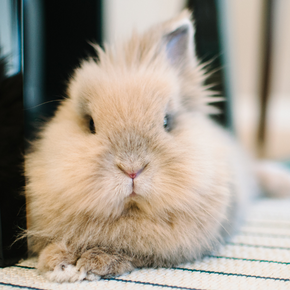
Winter care essentials for Northamptonshire rabbits young and old
As the weather in Northamptonshire starts to change, our pets’ needs also change with the season. Depending on the type of small furry pet you have, their needs will often be different. For some it may mean preparing them for hibernation, changing their food intake, giving them different types of bedding, or even adapting lighting or heating systems for winter.
Rabbits are no different and will require different levels of adaptation to ensure they are kept safe and healthy during the winter months; side note, rabbits DO NOT hibernate.
So, before the weather outside gets frightening… read Northlands’ advice on how to prepare your pets for a cold winter in Northamptonshire.
If you have any concerns about your rabbits’ health right now,
Preparation suggestions for winter
Blow are some top tips below for protecting your rabbits this winter. Use these as a checklist to ensure you have everything covered:
- Consider bringing your rabbits’ enclosure indoors for a period of time – they may be covered in fur but will still feel the harsh cold temperatures.
- Ensure their accommodation is suitably insulated – you could wrap the sides in a blanket or duvet when it gets too cold.
- Bedding types may need to be changed to suit the colder weather, and you should add extra bedding for your rabbits to burrow into.
- Insulate water feeders to protect them from freezing. Check them regularly to ensure your rabbits always have access to water. If they are freezing up indoors, it’s too cold in your house.
- Weight-check your rabbits to ensure they do not gain too much weight over winter as this can be detrimental to their health and affect their ability to groom/clean themselves.
- If you notice your rabbits’ weight increasing, review the amounts and types of food you are giving them to reflect the extra calories.
- Ensure any outside run is safe and usable during winter months or create an indoor run to ensure they still have exercise space.
- Get your rabbits’ health checked with one of our Kettering vets to ensure your pets are fit and healthy going into winter.
By regularly checking over your rabbit at home too, especially before we go into the coldest period, you can monitor them for changes. This will help to ensure they remain healthy and comfortable, especially as winter can be very unpredictable.
Winter care for seniors, babies, and unwell rabbits
If you have senior or geriatric rabbits, it will be more important than ever to move them indoors and keep them warm this winter to avoid them becoming uncomfortable and unwell. Most older rabbits suffer with pain and stiffness, usually some level of arthritis, and the cold can really exacerbate their symptoms. If you notice your rabbits are struggling to get around like they used to, are less keen to jump about, or are struggling to groom themselves, call us on 01536 485543 for advice as soon as possible.
The same goes for very young or unwell pets – these can struggle in cold temperatures and be susceptible to illnesses. If your rabbits are shivering, or sleeping more, chances are they are too cold.
8-point rabbit checklist
This is what good health in a rabbit looks (and smells) like:
- Nose: clean, clear, and subtly moist.
- Eyes: bright and clear; no discharge or redness around the eyes.
- Mouth: healthy looking teeth with no breakages or sharp points.
- Ears: clean and clear with no discharge, swelling, nasty smells, or constantly scratching.
- Coat/skin: shiny healthy coat with no dandruff, parasites, bald patches, lumps, or bumps. Well-groomed with no faeces stuck to their coat or urine patches.
- Weight: healthy lean weight.
- Faeces: soft caecotrophs that will be eaten off the bottom or the hutch floor, and harder, second-pass poo pellets. A reduction or change to either is cause for concern.
- Appetite: grazing most of the day; going more than 7 hours without food could make them very ill, very quickly.
If you spot any changes in your rabbit that you are concerned about, it is best to get them checked by any of the vets at our Station Road surgery, to be on the safe side.