
How to Get Rid of Fleas on Your Cat and in Your Home


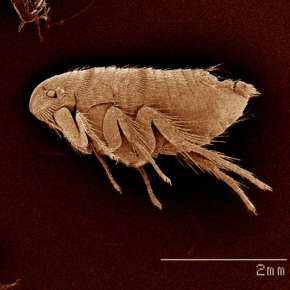
Fleas are tiny, irritating parasites that can make life miserable for your pets and invade your home if left unchecked. These pesky insects are more than just a nuisance – they can cause itching, skin irritation, and even transmit diseases.
In this article, our vets in Northampton explain how learning to spot and deal with fleas is key to keeping your pet and home flea-free. And if you discover fleas on your cat, we’re always on hand to advise on the best cat flea treatments.
Talk to us about cat flea products
How to spot fleas on your cat
Fleas are small, brown, and quick-moving, making them tricky to spot. Here’s some advice from our vets in Northampton on how to check your cat for fleas and what you can do about them at home:
Look for excessive scratching: Cats with fleas will often scratch or bite at their skin due to the irritation caused by flea bites. You might spot other pets scratching too.
Check for flea dirt: Comb through your cat’s fur, especially around the neck, belly, and tail. Flea dirt (flea faeces) looks like tiny black specks. Place any specks on a damp paper towel – if they turn red, it’s flea dirt.
Inspect the skin: Part your cat’s fur and examine their skin for red bumps or tiny crawling fleas.
What to do if you find fleas on your pet
Use a cat flea treatment: Northlands Cat & Rabbit Care Clinic’s veterinary team advise owners to speak to our vets about effective cat flea treatments, such as spot-on solutions, tablets, or flea collars. These treatments kill fleas and can also help prevent future infestations.
Carefully bathe your catt (if appropriate): Use a vet-recommended cat flea shampoo to wash your cat if they will allow it. Be careful as cats can become stressed by bathing – always consult your vet first – call us on 01604 478888, we’re happy to advise.
Comb regularly: A flea comb with fine teeth can help remove fleas and flea dirt from your cat’s fur. Comb over a white surface to catch and see any fleas more easily.
Eradicating fleas from your home
Fleas don’t just live on your cat – they can quickly infest your home. Our vets in Northampton recommend that you follow these steps to break the flea life cycle:
1. Vacuum thoroughly: Focus on carpets, rugs, furniture, and pet bedding. Make sure to get in all the nooks and crannies! Dispose of the vacuum bag or contents immediately to prevent fleas from escaping.
2. Wash bedding and soft furnishings: Wash your pet’s bedding, toys, and any soft items they’ve been in contact with on a hot cycle.
3. Use a household flea spray: Apply a vet-recommended insecticide to carpets, furniture, and corners where fleas may hide. Always follow the instructions carefully and keep pets away until the spray dries.
4. Treat all pets in the home: Fleas can jump between animals, so make sure every pet in your household is treated simultaneously with species-specific vet-recommend treatments – never share products between different types of pets as some of the ingredients may be harmful to them.
Prevention is better than cure
Northlands Cat & Rabbit Care Clinic’s experienced vets share that the best way to deal with fleas is to prevent them in the first place. Regular cat flea prevention treatments, combined with regular vaccuming of your home, will reduce the risk of an infestation.
If you’re struggling to manage fleas, or need advice on the best cat flea products for your pet and your home, contact us to book an appointment at our vet practice in Northampton for support.
Talk to us about cat flea products