
Looking Ahead to Pet Obesity Month – Advice from Northlands Cat & Rabbit Care Clinic


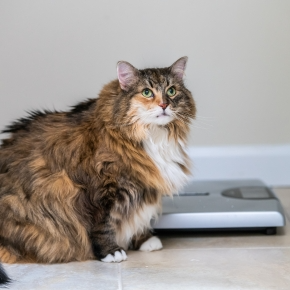
As we approach Pet Obesity Month, it’s an excellent time to reflect on the health and wellbeing of our feline friends. Obesity is a growing concern among pets and it can lead to serious health issues such as diabetes, arthritis, and heart disease. At Northlands Cat & Rabbit Care Clinic, we want to help you understand the risks of feline obesity and provide actionable advice on how to prevent and manage it.
If you’re concerned about the weight or size of your cat, don’t hesitate to contact us about a health check-up with our vets in Northampton.
Expert advice ahead of Pet Obesity Month
The 2024 UK Pet Food’s Obesity Report revealed that 43% of cats are overweight yet, despite these figures, a high number of cat owners believe that their pets are at a healthy weight. Our vets at Northlands Cat & Rabbit Care Clinic have prepared a guide to help you identify obesity and take the steps for prevention.
The risks of obesity in cats
Obesity is more than just a cosmetic issue – it can significantly impact your cat’s quality of life. Overweight cats are at a higher risk of developing a range of health problems, including:
- Joint problems: Overweight cats often develop arthritis or joint pain because the extra weight puts strain on their bones and ligaments.
- Heart disease: Feline obesity can contribute to high blood pressure and heart strain, increasing the risk of cardiovascular problems.
- Diabetes: Cats, especially middle-aged and older ones, are more prone to type 2-like diabetes if they’re overweight.
- Respiratory issues: Extra fat, particularly around the chest and abdomen, can make it harder for cats to breathe and can worsen conditions like asthma.
Identifying obesity in your cat
Northlands Cat & Rabbit Care Clinic’ team share that it can be difficult for cat owners to assess whether their pet is overweight, especially since many cats carry extra weight without showing clear outward signs. A general guideline is to observe the following:
- Ribs: You should be able to feel your cat’s ribs with gentle pressure. If you have to press firmly to find them, they may be carrying excess weight.
- Waist: Viewed from above, your cat should have a defined waistline just behind the ribs. A rounded or barrel-shaped appearance may indicate they’re overweight.
- Abdominal tuck: From a side view, cats should have a slight upward tuck of the belly towards the hind legs. A sagging or straight belly line can suggest obesity.
Preventing obesity in cats
Wondering how you can help to prevent pet obesity at home? Start with these tips from our vets in Northampton.
- Portion control: Overfeeding is a common cause of feline obesity. Follow your cat’s recommended feeding guidelines and keep treats to a minimum – our nurses can help you calculate the right portions for your cat, so why not book a nurse appointment now?
- Playtime and activity: Cats need daily opportunities to move and play to maintain a healthy weight. Encourage exercise with interactive toys, climbing towers, or short play sessions that get them pouncing, chasing, and stretching.
- Healthy, balanced diet: Speak to your vet about the most suitable diet for your cat’s age, lifestyle, and health needs. Choose a high-quality, complete food with the right nutrient balance to keep them fit and healthy.
- Regular weigh-ins: Tracking your cat’s weight at home or with our team at Northlands Cat & Rabbit Care Clinic helps spot small changes before they become a bigger problem. Early action can prevent long-term health issues.
- No table scraps: Human food can be too rich for cats and may lead to weight gain or stomach upset. Stick to specially formulated cat treats in moderation to keep their calorie intake under control.
What to do if your cat is overweight
If you suspect your cat is overweight or you’ve noticed signs of obesity, the first step is to consult our vets in Northampton. We can assess your cat’s weight, recommend a tailored diet and exercise plan, and monitor their progress. In most cases, weight loss should be gradual to ensure it’s done safely.
Looking ahead
Pet Obesity Month is a reminder for us all to be proactive about our pets’ health. By following these simple guidelines and keeping an eye on their weight, we can help to ensure our pets lead long, healthy, and active lives. If you have concerns about your cat’s weight or health, don’t hesitate to reach out to us at Northlands Cat & Rabbit Care Clinic for advice and support.