
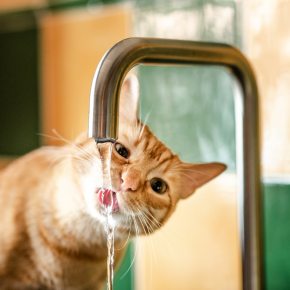
Do Pets Need More Water During Summer?


As temperatures rise this month in Northamptonshire, keeping your pet hydrated is especially important, as pets can lose fluids quickly.
At Northlands, many owners ask us how to tell if their pet is drinking enough. That’s why our veterinary team in Kettering have put together practical advice to help you recognise when your pet needs more water so you can keep them hydrated this summer.
Worried about your pet’s fluid levels? Book a check-up today
Do pets need more water in summer?
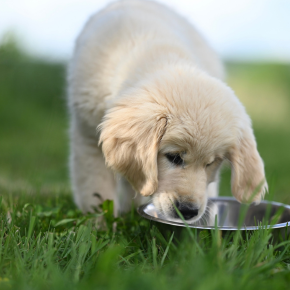
Yes – pets lose more fluid through panting, grooming and activity due to the heat.
Our veterinary team in Kettering explain that dogs may pant more to cool down, whereas cats and small pets lose heat more passively through their skin and fur, their breathing, and the surrounding air – especially when it’s cool or moving. Some pets will naturally drink more, but others may not, which is why monitoring intake is important.
Diet also plays a role. Pets fed mainly dry food will generally need to drink more compared to those eating wet food or fresh produce, because dry diets contain very little moisture.
As a general guide, many pets will regulate their own intake if fresh water is always available. However, there are some useful ways to help.
How to keep your pet hydrated in summer
These simple steps from Northlands can help maintain good pet hydration in summer, with a few small adjustments depending on your pet:
Provide constant access to water
Water should always be available. In the Northamptonshire hot weather, pets may drink little and often, so even short periods without access can increase the risk of dehydration. For small pets, this is especially important as consistent hydration supports digestion and gut health.
Change water regularly
Changing water frequently helps keep it clean, cool and free from debris. Your pet is unlikely to be as interested in stale water, so regular refreshing can encourage better drinking habits. Bottles for small pets should also be checked to ensure they are flowing properly and at the correct height.
Offer multiple water sources around the home
Placing more than one bowl or bottle in different areas encourages drinking. Dogs and cats may be more likely to drink if water is nearby where they rest, while small pets benefit from backup sources in case one becomes empty or blocked.
Keep water in cool, shaded areas
For outdoor pets or hutches, positioning them (including water sources) in shaded areas is particularly important.
Add wet food or water-rich vegetables where appropriate
Incorporating moisture through diet can support hydration. Wet food contains a high percentage of water, while fresh vegetables can also contribute to fluid intake. You can also add a small amount of water or pet-safe broth to dry food. Our veterinary team at Northlands recommend this as a particularly helpful addition for cats, who may naturally drink less, and for rabbits and guinea pigs, who benefit from water-rich greens.
When should I be concerned?
While some variation in drinking is normal, if your pet is not drinking, seems unwell, or shows changes in behaviour, it’s best to seek advice promptly.
Smaller pets can deteriorate more quickly if hydration levels drop. If your rabbit, guinea pig or small furry has stopped drinking entirely, <a href="01536 485543“>contact us immediately.
If you’re concerned about your pet’s water intake or overall health, book an appointment with our team in Kettering today.