
Grass Seeds and Dogs: Advice from Kettering Vets


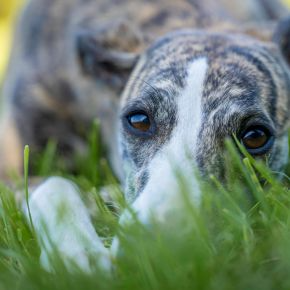
Picture this: it’s a warm summer’s day in Northamptonshire, and you’re out enjoying the park with your dog. After bounding through long grass, you notice their coat is dotted with tiny, sharp seeds. These are grass seeds, and while small, they pose a great risk, as their pointed shape means they can easily burrow into your dog’s paws, ears, eyes or skin, sometimes leading to infections.
In this article, our vets in Kettering share where dogs are at most risk, common symptoms, and how to prevent problems.
If you notice your dog is experiencing discomfort, book an appointment with our friendly team.
Book an appointment for personalised advice
Is my dog at risk?
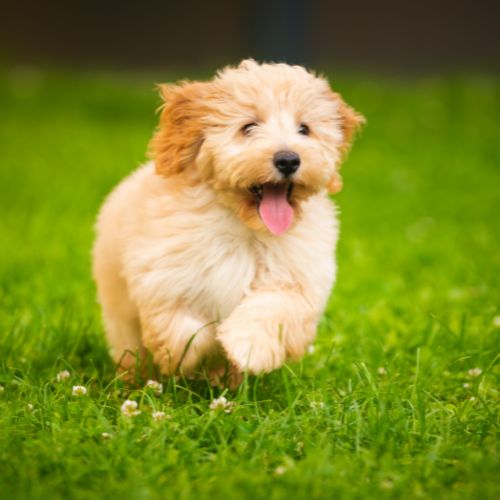
Our veterinary team at Northlands explain that all dogs can come into contact with grass seeds, but it is more common for dogs with longer ears and longer fur around the paws to be affected. If your dog particularly enjoys running through long grass in Northamptonshire, it is important to be aware of the risks.
Our vets in Kettering warn that grass seeds can move through tissue, potentially causing abscesses, infections, and in rare cases, more serious internal issues. What may start as a minor irritation can quickly escalate into a painful condition requiring more complex treatment.
Does my dog have a grass seed injury?
Here is what to look out for:
- You notice your dog limping or excessively licking their paw
- Swelling, redness, or a small hole in the skin
- Head shaking or rubbing against surfaces
- Discharge from the eye, nose or ear
- Red, watery, or squinting eyes
- Sneezing
If you notice any of these symptoms, don’t wait – call our vet practice in Kettering on 01536 485543.
How to prevent grass seed injuries
Here are some simple steps you can take to reduce the risk:
- Stick to well-maintained paths and avoid long, dry grass where possible
- Check your dog thoroughly after walks, paying close attention to paws, ears, and under the collar
- Stay on top of grooming to avoid overgrown hair around the paws and ears
- Remove any visible seeds promptly if it’s safe to do so
If you’re concerned a grass seed may be lodged somewhere, seek veterinary advice as soon as possible. Early treatment is usually straightforward and can prevent more serious complications.
If in doubt, our Northlands team are here to help – call us for advice or to arrange a check-up on 01536 485543, or book online.
School Holidays and Pets: Advice from vets in Northampton
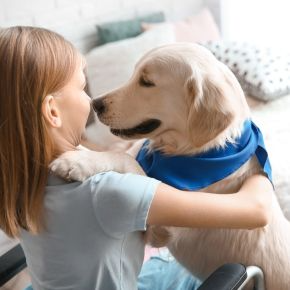
When school holidays arrive in Northamptonshire, homes often become busier, noisier and more unpredictable, especially with younger children! While this can be a valued period of family fun, it can come with its own set of challenges, changes in routine, and extra stress for both you and your pet.
At Northlands, our veterinary team often speak to owners about how changes at home, such as children being off school, can affect pets’ behaviour and wellbeing. In this article, our veterinary team in Northampton share practical advice on helping pets adjust during the summer holidays and keeping routines as consistent as possible.
If you’re concerned about your pet’s behaviour, contact us to book a behaviour appointment.
Book a behaviour consultation today
How do school holidays affect pets?
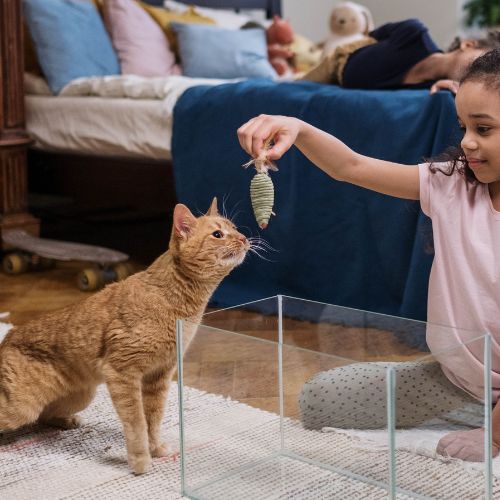
Most pets benefit from consistent routines, with feeding, exercise and quiet rest time happening at similar times each day to help them feel settled. However, during the holidays when your routine changes, so does theirs. While for some pets, it may be exciting to have more humans around, different waking times, irregular meals and increased noise can sometimes lead to stress.
Our vets in Northampton explain that dogs may become overexcited or unsettled with extra activity, cats may withdraw or hide, and rabbits can become anxious if their environment becomes too busy or unpredictable.
Signs your pet may be stressed
At Northlands we often see that many pets are good at hiding signs of stress, so look out for:
- Withdrawing or hiding (common in cats and rabbits)
- Changes in appetite or sleep
- Increased vocalisation or attention-seeking (often in dogs or cats)
- Destructive behaviour or toileting accidents
- Signs of anxiety, such as pacing, overgrooming or thumping in rabbits
Pets stressed by children or routine changes may also become less tolerant of handling, so the team at Northlands recommend a bit of extra supervision.
Managing a pet school holiday routine
Here are some of our top tips for reducing stress in your pet for the holidays.
- Stick to feeding times: Feeding at similar times each day helps support all pets, particularly rabbits who rely on consistent digestion.
- Maintain exercise and enrichment: Dogs benefit from regular walks, while cats and rabbits benefit from daily play and stimulation.
- Protect rest time: Cats and rabbits especially benefit from quiet, undisturbed spaces to retreat to.
- Keep familiar setups: Avoid moving litter trays, hutches or sleeping areas where possible.
Encouraging positive interactions with children
Living with both pets and children can be especially lively during school holidays, and a bit of gentle guidance goes a long way in keeping things calm for everyone.
Encouraging children to be kind and attentive to a pet’s body language can help them understand when an animal is happy to play and when they might prefer a bit of quiet time.
Dogs often enjoy energetic play, though supervision can be important in busy moments. Cats may prefer space to move away or take breaks, while small pets like rabbits benefit from calm, gentle handling and being approached in a way that feels comfortable.
Our vets in Northampton recommend creating a few simple boundaries at home like giving pets space when they’re eating or resting.
By keeping a gentle eye on routine, space, and interaction, you can help your pets feel more settled even during the busy school holidays.
If you’re ever unsure about changes in your pet’s behaviour, the team at Northlands are here to help. Contact us to book a behaviour consultation.
Keeping Your Pet Safe During BBQ Season
Ah, the sizzle of sausages, the aroma of burgers on the grill… there’s nothing quite like a summer barbecue with friends and family. But while we humans may be drooling over the delicious delights cooking up, let’s not forget about our furry friends who are eager to join in on the fun.
To ensure a paw-some barbecue experience for everyone, here are some top tips from our team at Northlands, to keep your pets safe and happy around the grill. And just in case you need it, here is the emergency number for our vets in Kettering – 01536 485543.
See our contact and emergency information
How to grill & chill this summer
If you know your pets will be into everything, it may be wise to keep them indoors, but if your pets can handle your ‘BBQ rules’, here are the top tips from our team in Kettering for how to ‘Grill & Chill’:
Create a ‘Safe Zone’
First things first, at Northlands, we recommend establishing a designated ‘pet zone’ away from the grill and cooking area. Set up a shady spot with water bowls and comfy bedding where pets can stay cool while you flip the burgers. Portable pet pens are handy for this.
Keep an Eye on Pets
Naturally, the sight & smell of food cooking on the grill will tempt pets to investigate. To prevent them from getting too close to the grill or attempting to steal barbecue food, keep a close eye on them or put someone on ‘grill guard duty’ to steer roaming pets away to safety.
Beware of Hot Surfaces
Grills can reach scorching temperatures that pose a burn risk to curious noses and paws, long after cooking has finished. Try using a grill cover or barrier to prevent pets from accessing the grill area altogether to avoid accidental burns and have a plan for hot ash afterwards – see our emergency information.
Pet-safe Barbecue Foods
While it’s tempting to share your barbecue feast with your furry pals, not all barbecue foods are safe for pets. Avoid giving them toxic or harmful foods like onions, garlic, grapes, chocolate, chicken bones, corn on the cob, and foods high in salt, spices, fatty juices, or sugar. Stick to pet-safe treats like plain grilled chicken or lean meat without seasoning. Consider grilling apple, mango, or cucumber for a tasty BBQ treat, if your pet can eat them.
Watch Out for Falling Food
Accidents happen, and tasty treats may accidentally fall onto the ground. Picking up dropped food instantly will prevent pets from eating it. This is important, as some items may pose a choking hazard or cause gastrointestinal upset.
Keep Your Pets Hydrated
Provide plenty of water during the barbecue festivities for pets to drink. If they seem unwell, call our vets in Kettering on 01536 485543.
Have a Plan for Leftovers
Clearing up thoroughly straight after a BBQ is vital when you have pets. Disposing of barbecue leftovers and scraps promptly and securely will prevent dogs and cats from scavenging through the rubbish. Leftover bones, skewers, and other barbecue remnants can pose choking or gastrointestinal hazards if ingested by pets.
With these grill-tastic tips in mind, you and your furry friends can enjoy a safe and enjoyable barbecue season together in Northamptonshire. Plus, you’ll be helping to keep wildlife safe too! So, fire up the grill, gather your friends and family, and let the summer celebrations begin!
And remember, call 01536 485543 in an emergency.
Do Pets Need More Water During Summer?
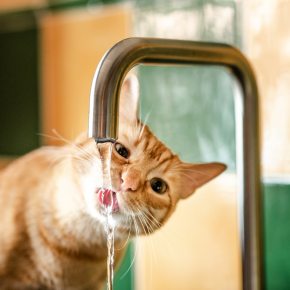
As temperatures rise this month in Northamptonshire, keeping your pet hydrated is especially important, as pets can lose fluids quickly.
At Northlands, many owners ask us how to tell if their pet is drinking enough. That’s why our veterinary team in Kettering have put together practical advice to help you recognise when your pet needs more water so you can keep them hydrated this summer.
Worried about your pet’s fluid levels? Book a check-up today
Do pets need more water in summer?
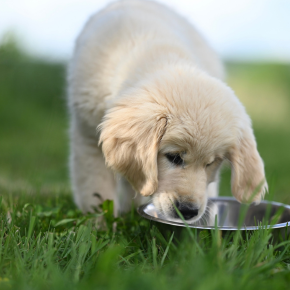
Yes – pets lose more fluid through panting, grooming and activity due to the heat.
Our veterinary team in Kettering explain that dogs may pant more to cool down, whereas cats and small pets lose heat more passively through their skin and fur, their breathing, and the surrounding air – especially when it’s cool or moving. Some pets will naturally drink more, but others may not, which is why monitoring intake is important.
Diet also plays a role. Pets fed mainly dry food will generally need to drink more compared to those eating wet food or fresh produce, because dry diets contain very little moisture.
As a general guide, many pets will regulate their own intake if fresh water is always available. However, there are some useful ways to help.
How to keep your pet hydrated in summer
These simple steps from Northlands can help maintain good pet hydration in summer, with a few small adjustments depending on your pet:
Provide constant access to water
Water should always be available. In the Northamptonshire hot weather, pets may drink little and often, so even short periods without access can increase the risk of dehydration. For small pets, this is especially important as consistent hydration supports digestion and gut health.
Change water regularly
Changing water frequently helps keep it clean, cool and free from debris. Your pet is unlikely to be as interested in stale water, so regular refreshing can encourage better drinking habits. Bottles for small pets should also be checked to ensure they are flowing properly and at the correct height.
Offer multiple water sources around the home
Placing more than one bowl or bottle in different areas encourages drinking. Dogs and cats may be more likely to drink if water is nearby where they rest, while small pets benefit from backup sources in case one becomes empty or blocked.
Keep water in cool, shaded areas
For outdoor pets or hutches, positioning them (including water sources) in shaded areas is particularly important.
Add wet food or water-rich vegetables where appropriate
Incorporating moisture through diet can support hydration. Wet food contains a high percentage of water, while fresh vegetables can also contribute to fluid intake. You can also add a small amount of water or pet-safe broth to dry food. Our veterinary team at Northlands recommend this as a particularly helpful addition for cats, who may naturally drink less, and for rabbits and guinea pigs, who benefit from water-rich greens.
When should I be concerned?
While some variation in drinking is normal, if your pet is not drinking, seems unwell, or shows changes in behaviour, it’s best to seek advice promptly.
Smaller pets can deteriorate more quickly if hydration levels drop. If your rabbit, guinea pig or small furry has stopped drinking entirely, <a href="01536 485543“>contact us immediately.
If you’re concerned about your pet’s water intake or overall health, book an appointment with our team in Kettering today.
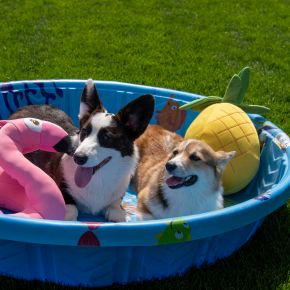
Should Dogs Use Paddling Pools? The team at Northlands Explain
Summer in Northamptonshire is all about keeping cool, staying active, and finding safe ways for your dog to enjoy the warmer weather. Water play, including paddling pools, can be a great option, but it can come with risks that aren’t always obvious.
If you’re planning water play at home, our veterinary team at Northlands share practical advice to help keep it safe and stress-free.
If you’re ever unsure whether water play is right for your dog, or you notice anything unusual after playtime, you can always speak to our vets in Northampton for advice.
Keeping water play safe and fun
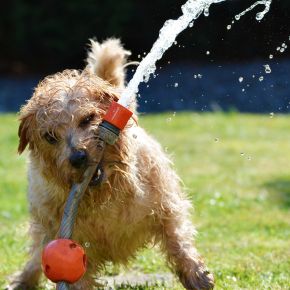
Whether it’s a paddling pool or gentle splashing with a hose, a bit of planning goes a long way. At Northlands, our team explain that while many dogs enjoy water, others may feel unsure or overexcited, and both situations can come with risks if not managed carefully.
Top tips for safe water play
- Start slow and keep it positive:
Not all dogs are natural water lovers. We recommend introducing water gradually and letting your dog explore at their own pace.
- Choose the right setup:
Use a shallow, sturdy paddling pool with a textured or non-slip base where possible, and place it on a stable, non-slip surface. Slippery conditions can lead to injuries, especially during excited play.
- Always supervise:
Even shallow water can pose risks, particularly during energetic play, as dogs may slip, swallow water, or overexert themselves. Always keep a close eye on your dog during water activities.
- Avoid drinking pool water:
Dogs often gulp water during play, which can lead to swallowing excessive amounts. In some cases, this can cause water intoxication, a serious and potentially life-threatening condition that affects electrolyte balance. Our team at Northlands advise supervising closely, limiting prolonged water play, and providing plenty of fresh drinking water nearby to reduce the risk.
- Keep it clean:
Standing water can quickly become unhygienic. Regularly empty and refill paddling pools to prevent bacteria build-up.
- Watch for signs of tiredness or stress:
Heavy panting, slowing down, or avoiding the water can all be signs your dog has had enough. Our veterinary team in Northampton advise ending play sessions before your dog becomes overtired.
- Protect skin and ears:
Frequent or prolonged water exposure can lead to skin irritation or ear issues, as moisture can become trapped. Dry your dog thoroughly after play (and re-apply dog-safe sunscreen), particularly around the ears, and avoid extended periods in the pool.
- Be mindful of slips and injuries:
Excited dogs can easily slip around wet areas. Keep the play space as safe and uncluttered as possible.
By following these tips from Northlands, you and your furry friend can enjoy a safe and fun-filled day outside in the water. So, lather on that sunscreen and get ready to make unforgettable memories together!
Need advice? We’re here to help
If your dog shows signs of heat stress, irritation, or discomfort after water play, it’s best to seek veterinary advice straight away by calling 01604 637175.
A summer health check can help to make sure your dog is fit before water play and to spot any potential issues after, so do book an appointment at Northlands to have your dog checked over.
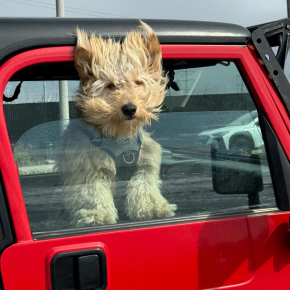
Why You Should Never Leave Your Pet in the Car
Did you know a parked car can reach internal temperatures of up to 50-60°C in summer? Even on a mild day in Northamptonshire, a car left in the sun can become dangerously hot within minutes, putting your cat or dog’s life at risk.
Below, the team at Northlands explains what every pet owner needs to know about travelling with a cat or dog, and how to keep your pet protected.
Book an appointment if you’d like tailored guidance on heat and travel safety for your pet.
Why a hot car is never safe for your pet
Our veterinary team at Northlands sees the consequences of heat-related illness every summer. Even in Northamptonshire on days that don’t feel particularly hot, the risk is very real — when outside temperatures reach just 24°C, the interior of a parked car can climb to 38°C within ten minutes.
Unlike humans, pets cannot sweat to regulate their temperature, and panting becomes far less effective in a hot, confined space. Even a quick stop at the petrol station or supermarket can quickly become dangerous.
Which pets are most at risk of overheating?
All cats and dogs are vulnerable to heat in a confined space, but some are more susceptible than others.
Older pets, overweight pets, and pets with underlying health conditions struggle to regulate their temperature and can deteriorate faster. Puppies and kittens are also at higher risk, as their bodies are less equipped to handle sudden changes in temperature.
Regardless of age, breed or health status, no pet should ever be left alone in a car. If you’d like advice on travelling safely with your pet, get in touch with our team in Kettering.
What to do if you see a pet in a hot car
The legal context
In the UK, leaving a pet in a hot car can constitute an offence under the Animal Welfare Act 2006. The RSPCA and police have the power to act if a pet is found to be suffering and owners can face prosecution.
Emergency steps for the public
As a member of the public, you do not have the right to break into a vehicle. If you believe an animal’s life is in immediate danger, please follow these steps:
- Call 999 first and note the registration plate.
- Alert nearby businesses and ask staff to make an announcement to help locate the owner.
- Stay with the pet until help arrives.
Get in touch with our team if you have any concerns about your own pet’s wellbeing following a journey.
Safer alternatives to leaving your pet in the car
The simplest solution is to leave your pet at home where possible. If they do need to travel, we recommend bringing someone along who can stay with them while you stop. For longer journeys, plan pet-friendly rest stops in advance and ensure the car is well ventilated throughout.
If travel is unavoidable, our team at Northlands can provide tailored advice on keeping your pet safe and comfortable on the road.
Northlands’s team reminds pet owners in Northamptonshire that a little planning goes a long way. Your pet’s safety is always worth the extra thought this summer.
Find out more about our services at any time.
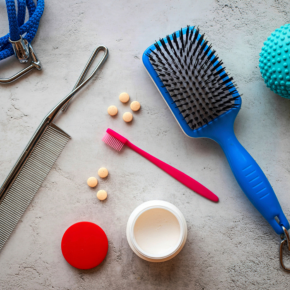
Northampton Vets Explain Whether You Should Shave Your Cat or Dog This Summer
As the hotter months arrive in Northamptonshire, we’re all shedding layers to make the most of the sunshine — but are our furry friends feeling the heat too? Many owners wonder whether shaving or trimming their pet’s coat could help keep them cool, especially breeds or species with longer or thicker fur.
It’s a common instinct, but the answer isn’t always straightforward. Below, our veterinary team at Northlands are here to advise on when it’s appropriate to trim or groom your pet for summer, and which pets should never be shaved.
If you’re unsure about how to best keep your pet happy and healthy this summer, make an appointment for tailored advice on summer pet care.
Book a grooming consultation with our team
Summer Grooming for Cats, Dogs and Small Pets
Should I shave my dog for summer?
Our Northampton vets advise against a seasonal trim for many dog breeds, as their coats are designed to provide natural insulation, trapping cool air to keep their temperature from rising and protecting their skin.
Northlands also warns against shaving double-coated breeds, including Arctic and spitz dogs like Siberian Husky and Samoyed, herding breeds like German Shepherd, retrievers like Golden Retriever, and small breeds like Pomeranians.
However, there can be exceptions for certain breeds who have hair rather than fur, or continuously growing coats, such as the Poodle, Shih Tzu and Maltese.
If you are unsure whether it is safe to trim your dog, get in touch and our friendly team at Northlands will provide tailored advice.
Should I shave my cat for summer?
No, you should not shave your cat for summer. A cat’s coat acts as natural insulation — so removing it can increase the risk of stress, sunburn and overheating for both short and long-haired cats.
Should I shave my guinea pig or rabbit?
For small pets like rabbits and Guinea pigs, our vets in Northampton warn against shaving. Their fur helps regulate body temperature and protects their delicate skin, so removing it can lead to stress, injury, or difficulty staying warm or cool.
When is it ok to shave my pet?
There are a few exceptions where shaving may be recommended under professional guidance:
- Severe matting that can’t be safely brushed out
- Medical reasons (e.g., surgery or skin conditions)
- Elderly or overweight pets that struggle to groom themselves properly
In these cases, a vet or groomer may suggest a partial trim or targeted shave to keep the pet comfortable while protecting their skin and insulation.
Safe alternatives to keep your pet cool
Our Northampton vets recommend focusing on simple, safe ways to help your pet stay comfortable during warmer weather, without the need for shaving.
- Fresh water always available
- Shade and airflow: keep pets out of direct sun and keep their environment ventilated.
- Cool resting areas: tiles, damp towels, or cooling mats.
- Avoid peak heat: walk dogs early morning or late evening.
- Grooming instead of shaving: regular brushing to remove loose fur and prevent matting.
- Extra cooling options: cold treats or chilled veggies (species-appropriate)
Simple care and the right advice can make all the difference this summer. If you’d like to speak to our vets in Northampton about your pet’s coat, book an appointment today.
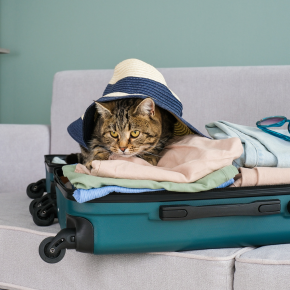
Pet Travel Checklist: Everything You Need Before You Go
Ready to head out from Northamptonshire for a well-deserved getaway? A trip can be a great way to spend quality time with your furry companion, but it’s important to make sure your pet is ready for the road.
To help you prepare, our vets at Kettering have put together the ultimate 2026 pet travel checklist. Read below about pre-travel health checks, packing lists, and managing travel stress, and determine if bringing your pet is the best choice for their comfort and wellbeing.
Before you set off, it may be best to book an appointment to ensure your pet is up-to-date with vaccinations and parasite prevention.
Book a pre-travel appointment today
Should I take my dog or cat on holiday
While many dogs thrive on new adventures, the team at Northlands suggest that for most cats, staying in the comfort of their own home with a trusted sitter is often the less stressful option, as cats are sensitive to environmental changes. If you are unsure about travelling with your cat you can always get in touch with our friendly team.
Regardless of species, always confirm that your destination is pet-friendly and free of any potential hazards before you depart. Some locations may have specific rules, so doing your homework early ensures a warm welcome for everyone.
Essential health checks
The team at Northlands recommend ensuring your pet is healthy enough for travel before any long journey. This is especially important for senior pets or those with underlying conditions.
- Do I need vaccinations to travel with my dog or cat? To ensure your pet is protected against local diseases or requirements for boarding, you should check that all boosters are up to date. This is vital if other animals are present on your journey.
- Pet microchipping requirements: It is a legal requirement for dogs and cats to be microchipped. Before you leave, double-check that your contact details are correct on the national microchip database. If your pet wanders off in an unfamiliar area and is handed in to a vet or rescue centre, accurate details give you the best chance of being reunited.
- Parasite prevention: Ticks, fleas and worms can be more prevalent in certain holiday destinations. Make sure your pet’s flea, tick, and worming treatments are current. Our vets can advise you on whether your pet would benefit from any other type of parasite protection.
If you are unsure about your pet’s vaccinations or parasite treatments, get in touch today to speak with our experts.
What to pack when travelling with your pet
Packing for your pet requires as much thought as packing for yourself. To make the journey as stress-free as possible, the Northlands team suggest including these essentials in your kit:
- Collar, lead and ID tag
- Familiar bedding
- Enough of their usual food and treats for the whole journey
- A secure travel crate or harness (appropriate for your travel destination and mode of transport)
- Waste bags and towels
- Collapsible water bowls and plenty of fresh water for the journey
- A copy of their clinical records and any current medications
- A pet-safe first aid kit for minor scrapes
- A couple of your pet’s favourite toys
While we love having our pets with us, Northlands reminds owners to consider if travel is truly the best option for their pet’s temperament and wellbeing.
Travelling abroad? Get in touch with our team well in advance of your travel dates so they can advise you on the rabies vaccination, tapeworm treatments, animal health certificates and anything else your pet will need for their destination.
If you have concerns about travel sickness or anxiety, or more specific guidance on packing, book an appointment with our friendly team in Kettering to discuss how we can help.
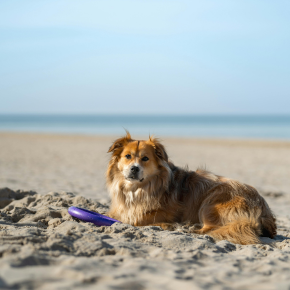
Can Cats, Dogs and Rabbits Get Sunburned? Northlands Explains
As the temperature rises in Northamptonshire, most of us are reaching for the SPF, but what about our furry friends? While your pet’s fur provides a level of natural protection, many owners don’t realise that pets can get sunburned too.
At Northlands, we want to ensure your companions enjoy the summer safely, so our team in Northampton has put together this guide on solar safety for cats, dogs, and rabbits.
If you are worried about your pet’s skin this summer, you can book a skin assessment with our friendly team.
Sunburn in pets: yes, it happens
Our vets in Northampton warn that pets are just as susceptible to UV damage as we are. Sunburn in pets isn’t just uncomfortable; it can lead to more serious health issues, including skin cancer if not managed correctly.
Is my pet at risk of sunburn?
While any pet can suffer in extreme heat, those with white or light-coloured coats, or very thin fur, are at the highest risk. Specifically, keep a close eye on:
- Cats: White and light-coloured cats or those with white ears and noses.
- Dogs: Breeds with short, thin coats or pale skin (like Dalmatians or Bull Terriers).
- Rabbits: Especially those with white fur and pink ears.
Vulnerable areas
Sunburn usually strikes where the skin is most exposed. the team at Northlands advises owners to pay particular attention to:
- Ear tips and noses
- The belly and inner thighs
- Pale or thin-furred patches
How to protect your pet from the sun
Keeping your pet safe during a Northamptonshire heatwave doesn’t have to be complicated. The team at Northlands suggest these simple steps:
- Pet-safe sun block: Use a waterproof, zinc-free sun cream specifically designed for pets on exposed areas like ear tips, noses and tummies.
- Seek the shade: Ensure your pet always has access to shaded areas, especially when the sun is strongest.
- Protective clothing: For dogs with very thin hair, lightweight sun-protective shirts can act as a great barrier against UV rays.
- Keep hydrated: Give your pets constant access to fresh, cool water. You can even put ice cubes in their water bowl to keep it chilled for longer.
- The “Five Second Rule”: Pavement burn risks are high in summer. If the ground is too hot for your hand to touch for five seconds, it is too hot for your pet’s paws.
- Cooling aids: Provide damp towels for your pet to lie on. This helps them regulate their body temperature.
If you have questions about pet sunburn prevention or need to top up on summer essentials, our vets are here to help. You can book a skin assessment at our Northampton practice to ensure your pet stays healthy all summer long.
Heatstroke in Pets: Signs, Symptoms and What to Do
At last…June brings us longer days and warmer weather, perfect for dog walks around Northamptonshire and garden adventures with your pet. But as temperatures climb, so does the risk of heatstroke, and it can escalate faster than many owners realise.
Our veterinary team at Northlands will walk you through the early warning signs of heatstroke in dogs, cats, rabbits and small pets, and what to do if you’re concerned.
If you suspect your pet may be suffering from heatstroke, don’t wait, call us immediately for advice on 01536 485543.
Signs and symptoms of heatstroke in pets
Our vets at Northlands explain that the early warning signs of heatstroke can vary between species, but there are key indicators every owner should know:
Dogs and cats
- Excessive panting or difficulty breathing: heavy, laboured breathing that seems out of proportion to their activity level.
- Drooling more than usual: excessive saliva.
- Lethargy or weakness: your pet seems unusually tired, confused or unsteady on their feet.
- Increased heart rate: a fast pulse could signal overheating.
- Vomiting or diarrhoea: digestive upset can occur as the body struggles to regulate temperature.
Rabbits and small pets
Rabbits and small pets are among the most vulnerable in warm weather because they can’t pant or sweat effectively, yet they’re often the most overlooked.
- Rapid or shallow breathing: breathing changes are a serious early sign.
- Lethargy and flopping: a pet lying flat and unresponsive in the heat requires immediate attention.
- Wet nose or ears: some small pets may dampen themselves to cool down.
- Loss of appetite: small pets who suddenly stop eating in warm weather may be struggling with the heat.
What to do if you think your pet has heatstroke
If you suspect heatstroke, stay calm but act quickly. Our vets in Kettering recommend the following steps while you arrange emergency care.
- First, move your pet indoors/away from the heat source. For pets comfortable with water, you can gently pour cold (not freezing) water over their body, keeping it away from their face, nose and mouth. .
- Open windows and doors or switch on a fan or air conditioning to create a breeze and offer cold water to drink.
- Place them on top of a cold wet towel rather than wrapping them in it, as this traps heat. If you have an ice pack, wrap it in a towel and place it between their thighs (dogs), or next to or beneath smaller pets.
- Our vets at Northlands stress that even if your pet seems to be recovering, always call us straight away.
While the idea of heatstroke can be scary, knowing the signs and what to do could make all the difference for your pet this summer in Northamptonshire. If you’d like peace of mind, book a summer health check with our team today.