

Start 2025 strong! Plan Your Pet’s Annual Health Needs with Northlands


Starting the year with a focus on your pet’s health is a fantastic way to ensure they’re happy, comfortable, and active all year long. At Northlands, we’re here to support pet owners in Northamptonshire with everything from check-ups to tailored nutritional advice, helping to start the year right. Below are some of the key steps for effective pet health planning.
Book your pet’s next appointment
Scheduling annual health checks
One of the best ways to ensure your pet’s ongoing health is to schedule an annual wellness exam with one of our highly experienced vets. A health check allows us to assess your pet’s overall condition, check for any underlying issues, and keep vaccinations up to date. Regular visits help identify potential health concerns early, making it easier to manage and prevent issues over time.
Make sure to book a wellness appointment at Northlands to give your pet a great start to the new year.
Nutrition and weight management
Nutrition plays a big role in your pet’s health, and the new year is a great time to check their diet. Obesity in pets is common and can lead to problems such as joint issues and diabetes.
Nutritional appointments with Northlands’ nursing team
At Northlands, our nursing team are here to provide tailored nutritional advice suited to your pet’s age, breed, and lifestyle. During a nutrition appointment, we’ll discuss meal portions, feeding habits, and any specific dietary needs. If your pet has weight concerns, we can help create a diet plan that supports their health throughout the year. A quick nutrition review could make a big difference in their quality of life – contact us to book this.
Additional health considerations
Our vets in Kettering advise that these are a few more health checks to consider when planning for the year ahead:
- Dental Checks: Dental health is essential for your pet’s overall wellbeing. Our vets can check your pet’s dental health at their next wellness check-up. Then, regular dental checks and oral care can help prevent plaque build-up and other oral health issues.
- Parasite Prevention: Ensure your pet is up-to-date on parasite control for fleas, ticks, and worms. Book an appointment for a parasite prevention review.
- Mobility Assessments: As pets age, joint health can become a concern. Discuss any mobility issues with our team, particularly if you have an older pet.
Book an appointment to start your pet’s health plan
Getting organised with your pet’s health in January is a great way to support their wellness all year round. Our team at Northlands are here to help you develop a personalised health plan that’s just right for your pet. From routine check-ups to tailored diet plans, we’ve got you covered.
Book your pet’s next appointment now
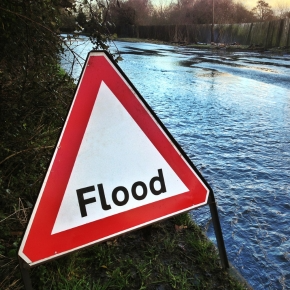
Evacuating With Pets: Northlands’ 8 Point Flood Plan
As extreme weather events become more frequent, being prepared for emergencies like flooding is a good idea not only for the safety of our homes and families but also for our beloved pets. Our team at Northlands want to help pet owners in Northamptonshire who are worried about evacuating with pets. Take a look at their advice below on how to keep pets safe in a flood through pet emergency preparedness and a reliable flood evacuation plan.
View our emergency vet information
Northlands’ flood evacuation plan
Our vets and nurses in Northampton share that a solid plan ensures you’re not caught off-guard, allowing you to evacuate swiftly, minimise stress, and keep your pets safe.
1. Assess the risk
Check your local environment agency’s flood warnings and understand your area’s risk level. Sign up for real-time alerts so you have enough time to act.
2. Prepare a pet emergency kit
Northlands’ team recommend creating a ‘Go Bag’ for evacuating with pets i.e. a kit with essentials for at least 3-5 days, like food, water, bowls, medication, leads & harnesses, vaccination records, a carrier, blankets, bedding, towels, litter & tray/pads/waste bags, and toys & treats to comfort them. Keep it accessible and up-to-date. Include a pet first-aid kit with essentials like bandages, antiseptic, and tweezers, and keep our emergency details handy too.
3. Plan your routes
Identify safe evacuation routes and locate pet-friendly shelters or hotels in Northamptonshire, or wherever is safest. Familiarise yourself with public transport policies on pets, just in case driving isn’t an option.
4. Microchip and ID
Make sure your pet is microchipped, and your contact details are up to date. An ID tag with your contact information and an emergency contact can also help reunite you if you get separated. Contact us about pet microchipping.
5. Create a safe space
In the event of a flood alert, consider evacuating to a safer location with your pets. If you are unable to leave immediately, create a secure area indoors away from potential flooding. Bring outdoor pets indoors and ensure cages, hutches, food, bedding, and other essentials are elevated to prevent water damage. The team at Northlands also advises having a pet carrier ready for transportation during emergencies.
6. Advice for cats
If you get a flood alert, bring your cat indoors immediately and keep them in a secure, elevated room. Have a carrier and their emergency kit ready in case you need to leave quickly.
7. Practise your plan
Northlands’ team advise that it’s a good idea to familiarise your pets with carriers, leads (if they’re not used to them), and your evacuation plan. Regular practise will help them stay calm if you need to evacuate.
8. Know what to do post-evacuation
Once the immediate danger has passed, it’s time to assess the situation and return home if it’s safe. However, be aware that the floodwaters may have left behind hazards like debris, sharp objects, or contamination – ensure your pet is cleaned and kept away from standing water. Check your pets for any signs of injury or illness and call our vets in Northampton on 01604 637175 as soon as possible if needed.
Final thoughts… Pet emergency preparedness can make all the difference for you and your pets when it comes to flooding. If you need more help creating a pet-friendly evacuation plan, reach out to our team at Northlands – we’re here to support you and your pets always.
View our emergency vet information
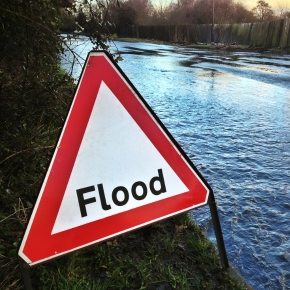
Evacuating With Pets: Northlands’ 8 Point Flood Plan
As extreme weather events become more frequent, being prepared for emergencies like flooding is a good idea not only for the safety of our homes and families but also for our beloved pets. Our team at Northlands want to help pet owners in Northamptonshire who are worried about evacuating with pets. Take a look at their advice below on how to keep pets safe in a flood through pet emergency preparedness and a reliable flood evacuation plan.
View our emergency vet information
Northlands’ flood evacuation plan
Our vets and nurses in Oakley Vale share that a solid plan ensures you’re not caught off-guard, allowing you to evacuate swiftly, minimise stress, and keep your pets safe.
1. Assess the risk
Check your local environment agency’s flood warnings and understand your area’s risk level. Sign up for real-time alerts so you have enough time to act.
2. Prepare a pet emergency kit
Northlands’ team recommend creating a ‘Go Bag’ for evacuating with pets i.e. a kit with essentials for at least 3-5 days, like food, water, bowls, medication, leads & harnesses, vaccination records, a carrier, blankets, bedding, towels, litter & tray/pads/waste bags, and toys & treats to comfort them. Keep it accessible and up-to-date. Include a pet first-aid kit with essentials like bandages, antiseptic, and tweezers, and keep our emergency details handy too.
3. Plan your routes
Identify safe evacuation routes and locate pet-friendly shelters or hotels in Northamptonshire, or wherever is safest. Familiarise yourself with public transport policies on pets, just in case driving isn’t an option.
4. Microchip and ID
Make sure your pet is microchipped, and your contact details are up to date. An ID tag with your contact information and an emergency contact can also help reunite you if you get separated. Contact us about pet microchipping.
5. Create a safe space
In the event of a flood alert, consider evacuating to a safer location with your pets. If you are unable to leave immediately, create a secure area indoors away from potential flooding. Bring outdoor pets indoors and ensure cages, hutches, food, bedding, and other essentials are elevated to prevent water damage. The team at Northlands also advises having a pet carrier ready for transportation during emergencies.
6. Advice for cats
If you get a flood alert, bring your cat indoors immediately and keep them in a secure, elevated room. Have a carrier and their emergency kit ready in case you need to leave quickly.
7. Practise your plan
Northlands’ team advise that it’s a good idea to familiarise your pets with carriers, leads (if they’re not used to them), and your evacuation plan. Regular practise will help them stay calm if you need to evacuate.
8. Know what to do post-evacuation
Once the immediate danger has passed, it’s time to assess the situation and return home if it’s safe. However, be aware that the floodwaters may have left behind hazards like debris, sharp objects, or contamination – ensure your pet is cleaned and kept away from standing water. Check your pets for any signs of injury or illness and call our vets in Oakley Vale on 01536 745212 as soon as possible if needed.
Final thoughts… Pet emergency preparedness can make all the difference for you and your pets when it comes to flooding. If you need more help creating a pet-friendly evacuation plan, reach out to our team at Northlands – we’re here to support you and your pets always.
View our emergency vet information
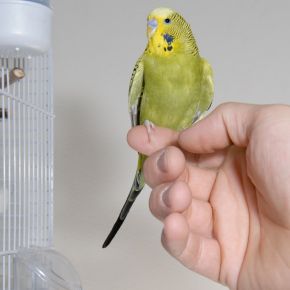
Northlands recommends these pet birds for beginners
For anybody in Northamptonshire who would like to become a pet bird keeper, then this is the article for you! Northlands are sharing their views on the five best bird breeds for beginners, with some simple temperament and care requirements.
We would love to hear about your bird-owning experiences. Why not message our Facebook page with photos and your story for the chance to be featured on our social channels?
5 bird breeds for beginners
1. Budgies
These make it to the top of Northlands’ list! Budgerigars, commonly known as budgies, are smart, colourful, and typically social birds. They are easy to care for and relatively low-maintenance. Budgies are known for being interactive companions and they will often mimic words and sounds you make!
2. Canaries
With proper care, these songbirds can absolutely thrive, making them a popular choice for bird keepers in Northamptonshire. They are social birds and prefer to live in pairs or groups but do not need as much hands-on interaction as other songbirds. Fun fact – the male canaries are often the better singers!
3. Cockatiels
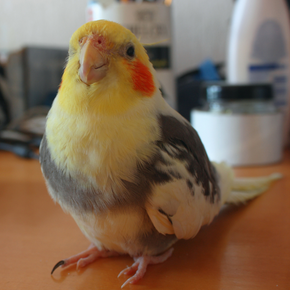
Next on the list is the wonderful cockatiel. These gentle, friendly birds are often known for their distinctive crest on their head. Cockatiels enjoy regular human interaction and can be trained to do tricks. They also have a charming personality, and you will find looking after your cockatiel to be incredibly entertaining!
4. Lovebirds
Lovebirds enjoy interacting with their owners and are quite a playful breed. As their name suggests, they LOVE the company of other birds and will form a strong bond with their owner. With their bright colours and vocalisation, lovebirds are a popular pet for birdkeepers in Northampton and beyond.
5. Bourke’s parakeets
These make lovely pets as they are so loving and affectionate towards their owner. They are a fan of a cuddle but Northlands advises against owning a single Bourke’s parakeet. They are best kept as part of a small flock and will happily learn tricks. They are also relatively quiet in comparison to other breeds, which makes them popular pet choices for some households that do not want a lot of noise.
Caring for your pet bird
Once you have decided on the type of bird you would like to keep, Northlands recommends doing extensive research to create a suitable living environment for them. Things to consider are:
- Their diet
- Their current age and also their lifespan
- Size and cage requirements
- How many birds you need to keep
- Stimulation and exercise
Reach out to local bird keepers in Northamptonshire and ask their opinions on bird care and maintenance. You can also chat to our experienced team of bird vets and other bird-owner’s clubs.
Proper dedication and commitment to your new pet bird will help to ensure they have a happy and healthy life.
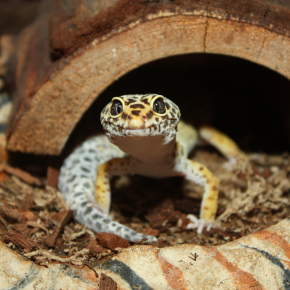
How a hot Northamptonshire summer could affect your pet lizard
Summer in Northamptonshire is a season that is eagerly awaited by many. However, it’s important to remember that summer can also bring about certain challenges for the pet owners of Northampton, particularly those who own lizards. As the temperature rises, it’s important to provide extra care for your pet lizard to ensure their health and wellbeing. In this article, our Head Vet will go over some essential summer care tips for pet lizards.
Contact us to book a summer reptile check-up
How to keep your lizard in tip top shape this summer
Provide adequate hydration
During summer, lizards are at an increased risk of dehydration due to the high temperature and dry air. It’s important to provide your pet lizard with adequate hydration by offering them a clean water source at all times. Consider misting their enclosure with water or providing a shallow dish of water for them to soak in.
Regulate temperature
Lizards are cold-blooded animals, which means their body temperature is regulated by the environment. During a Northamptonshire summer, the temperature can become too hot for your pet lizard, which can lead to health problems. Make sure your pet lizard’s enclosure is kept in a cool and shaded area, away from direct sunlight. You should also use a thermostat/temperature controller to ensure that the enclosure stays at a safe temperature range for your pet.
Provide proper lighting
Lizards require UVB lighting to produce vitamin D3, which is essential for their overall health and wellbeing. During summer, the days are longer, and your pet lizard may require more exposure to UVB lighting to produce enough vitamin D3. Make sure your pet lizard has access to a UVB light source for at least 12 hours a day.
Adjust their feeding schedule
During summer, your pet lizard’s appetite may decrease due to the high temperature so it’s important to adjust their feeding schedule accordingly and offer smaller, more frequent meals. This will help prevent overfeeding and ensure that your pet lizard is getting the nutrients they need to stay healthy. Our vets at Northlands are happy to advise further on feeding your exotic pet.
Clean their enclosure regularly
Summer is a time when bacteria and other harmful organisms thrive, which can lead to health problems for your pet lizard. Make sure to clean their enclosure regularly and replace the substrate (bedding) frequently to prevent the build-up of harmful bacteria.
So, there you have it, an actionable list of what your pet lizard needs during summer. To summarise, summer care for pet lizards involves providing adequate hydration, regulating temperature, providing proper lighting, adjusting feeding schedules, and cleaning the enclosure regularly. By following these simple tips from Northlands, you can help ensure that your pet lizard stays healthy and happy throughout the summer season.
Contact us to book a summer reptile check-up
Don’t forget to share this article with other exotic pet owners on your Facebook page!
Plant-eating exotic pets suitable for vegans and vegetarians
So…you like the idea of keeping an exotic pet but don’t want to feed it live food or keep tubs of dead insects and small mammals in your freezer. Perhaps you’re vegetarian or vegan or have other beliefs. Is your exotic pet-keeping dream over?
No at all! The team at Northlands in Northamptonshire have pulled together some information on exotic pets that can thrive on a plant-based diet.
Keep reading to learn about these non-meat-eating exotic pets, or contact any of our vets if you’d like more advice.
Ask us about plant-eating exotic pets
As more people in Northamptonshire become interested in animal companionship, the demand for exotic pets has increased. While many traditional pets, such as dogs and cats, are carnivorous, there are also a wide variety of exotic pets that can eat a meat-free diet – we bet you’re breathing a sigh of relief!
According to our exotic vets there are many species of pet reptiles that can thrive on a non-meat diet.
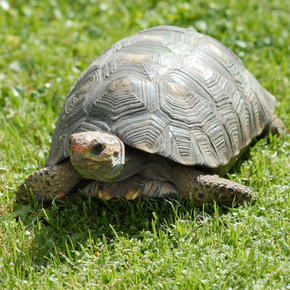
These include certain species of turtles, snakes, and lizards. For example, some species of turtles, such as box turtles and tortoises, are omnivorous and can be fed a diet consisting of leafy greens, vegetables, and fruits. Similarly, many species of snakes and lizards can be fed a diet consisting of a variety of vegetables and plant material.
Some examples of non-meat foods that can be included in a reptile’s diet are leafy greens (such as romaine lettuce and collard greens), vegetables (such as bell peppers, squash, and carrots), and fruits (such as apples and berries).
By choosing an exotic pet that does not eat meat, you can ensure that your new companion is able to live a healthy and happy life while also aligning with your personal dietary preferences.
It is important to research the specific dietary needs of the reptile species you are keeping as a pet to ensure they are receiving the proper nutrients and to prevent any potential health issues.
We recommend that you do thorough research before adopting any exotic pet to ensure that you can provide for their specific needs and that you are legally able to own the species in this country.
Other plant-eating exotic animals that can currently be kept as pets in the UK include the African pygmy hedgehog and the sugar glider. However, both species have complex care requirements including the need for a lot of space and wild behaviours they need to exercise to thrive. For example, the hedgehog would forage for insects in the wild, sugar gliders are tree dwellers, and both are nocturnal; neither of these make ideal domesticated pets.
If you have any further questions, go ahead and post them on our Facebook page and our vets will share a reply that can help all wannabe exotic pet owners in Northamptonshire.
How to care for your pet bird in winter, spring, summer, and autumn
Caring for pet birds in the winter, spring, summer, and autumn can require some adjustments to ensure that they are healthy and happy throughout the year. Our Exotics Vet has the following advice.
Before we dig in, it would be wise to book your pet bird in for a winter health check at our Kettering practice, to ensure they are in great shape for the seasonal changes ahead.
Bird care throughout the seasons
Winter bird care
In the winter, it is important to make sure your pet bird has access to a warm and comfortable environment. This may require providing additional insulation or heat pads, or moving them to a warmer room in your home – avoid rooms with fumes from fires.
You should monitor the temperature of the room they are staying in. You can use a small electric heater to help keep the room warm, but be aware of the potential for dry air, as this can irritate your bird’s mucous membranes. To counteract this, you can try placing your bird’s cage in the bathroom while you take a warm bath, as the steam can help to restore a normal level of humidity in the air. Alternatively, you can invest in a humidifier to help maintain a healthy level of humidity in the room.
It is also important to make sure that your bird has plenty of fresh, clean water, as they may be more likely to become dehydrated in the dry winter air.
Your pet bird will also need adequate lighting to avoid unhealthy behaviour changes due to a reduced amount of daylight in the winter months; make sure to research the needs of your particular type of bird. Covering your bird’s cage with a sheet or blanket at night can also help to keep them warm and comfortable.
Spring bird care
In the spring, your bird will likely benefit from an increase in natural light and a more varied diet. As the days get longer and the weather starts to warm up, you can provide your bird with more time outside of their enclosure in an aviary to enjoy the sunshine and fresh air. You can also offer them a wider variety of fresh fruits, vegetables, and other healthy foods to help them get the nutrition they need.
Summer bird care
During the summer, it is important to protect your bird from the heat. This may mean providing additional shade and ventilation in their enclosure, as well as making sure they have access to plenty of fresh water. It is also a good idea to avoid exposing your bird to extreme temperatures, such as leaving them in a hot car or direct sunlight by a window or in an outdoor aviary for extended periods of time.
Autumn bird care
In the autumn, you can start to prepare your bird for the colder weather that is to come. This may involve providing them with additional insulation in their enclosure, such as blankets or heat pads to help them stay warm, and adequate lighting. You can also continue to offer them a varied diet and plenty of fresh water to help them maintain their health and wellbeing.
In summary, caring for pet birds in the winter, spring, summer, and autumn requires some adjustments to ensure that they are healthy and happy throughout the year. By providing them with the right environment, diet, and care, you can help to keep your bird happy and healthy no matter the season.
We hope you found our advice helpful and can start putting your bird care action plan together for 2023. As always, we’re here if have any questions or to book that health check for your bird – just call 01536 485543.
What should you do for your pet reptile in winter?
Winter has officially arrived and whilst we can wrap up warm and enjoy a cosy night by the fire, the same cannot be said for our reptile pets. So, this month, our Vet team felt it was important to talk about how to keep your reptile healthy this winter and any signs to look out for that might mean a trip to the vet is needed.
If you’d like to chat to us about any of the content below or to make an appointment for reptile, you can book a check-up today.
How to keep your reptile healthy this winter
What temperature makes a healthy habitat?
It’s important to create an environment specific to the species of reptile you have, especially over the winter months. Our guide below can help in understanding what goals you should have for both heat and humidity this winter.
| Reptile | Average Temp required | Humidity |
| Desert Tortoise | 34-43 degrees Celsius | 10%-30% |
| Desert Iguana | 34-43 degrees Celsius | 10%-30% |
| Corn Snake | 30-32 degrees Celsius | 40-60% |
| Gecko | 32-38 degrees Celsius | 30-50% |
| Python | 32-38 degrees Celsius | 30-50% |
| Boa Constrictor | 39-35 degrees Celsius | 50-80% |
| Iguana | 39-35 degrees Celsius | 50-80% |
Humidity vs heat
Many reptiles don’t just need warmth, they also need the right air and can often get sick in dry conditions. Our homes get drier in the colder months which can sometimes lead to health conditions for reptile pets, especially some species of snakes. Snakes can need between 70%-90% humidity versus reptiles like Geckos who need between 30%-40%.
You can increase the humidity with substrates that hold moisture well such as Orchid Bark (aka Reptile Bark), Cypress Mulch, and Coconut Husk (both fine particle and chunky types). It’s also useful to mist the vivarium and the substrate manually should your home be drier air than average.
Reptiles can become sick if the humidity is too high as well as too low, so it is worth looking into a humidity gauge to make sure that both the temperature and humidity levels are right for the species you have.
Wooden vs glass vivariums
Whilst glass set ups are more popular for a variety of reasons including being able to see your reptile, these can be less efficient in terms of heat and humidity regulation.
Wooden set ups naturally keep heat at the level required because heat cannot escape in the same way as wooden enclosures.
Glass on the other hand provides a naturally more humid environment because the wood will absorb moisture and glass cannot.
Each species of reptile will have different response to the two types of vivariums. Our team in Northamptonshire, have put together a quick guide below.
| Bearded dragons | Wooden vivarium |
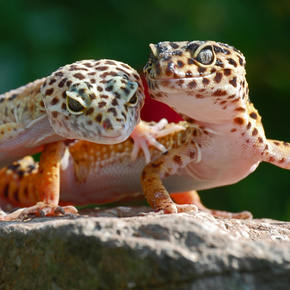
| Leopard geckos | Glass vivarium |
| Crested geckos | Glass vivarium |
| Corn snakes | Glass or wooden vivarium |
| Milk snakes | Glass or wooden vivarium |
| Chameleons | Wooden vivarium |
Humidity
Many reptiles don’t just need warmth, they also need the right air and can often get sick in dry conditions. Our homes get drier in the colder months which can sometimes lead to health conditions for reptile pets, especially some species of snakes. Snakes can need between 70%-90% humidity versus reptiles like Geckos who need between 30%-40%.
You can increase the humidity with substrates that hold moisture well such as Orchid Bark (aka Reptile Bark), Cypress Mulch, and Coconut Husk (both fine particle and chunky types). It’s also useful to mist the vivarium and the substrate manually should your home be drier air than average.
Reptiles can become sick if the humidity is too high as well as too low, so it is worth looking into a humidity gauge to make sure that both the temperature and humidity levels are right for the species you have.
Heat Mats and bulbs
Start the winter season off by checking the kit you have and identifying any faults or areas for improvement. For example;
- Checking if bulbs need to be changed
- Consider upgrading the bulbs to a higher wattage if you live in a particularly cold house
- Checking heat mats are working and in good condition
- Reviewing the location of the vivarium, for example could there be a naturally warmer spot in your home where it might be more suitable for your reptile to live?
- Invest in a good thermometer and humidity gauge, or make sure your existing tool is in good working order
- Review your substrate choices and make sure it is creating the ideal conditions for the species
- Review the choice of plants inside the set up to make sure they are optimising and not negatively impacting the environment.
DIY support
There are plenty of ways you can be creative in keeping your reptile warm and healthy this winter such as insulating with towels around the tank and even adding a hot water bottle.
Let us know over on Facebook what other top tips you can share to help other reptile owners in our community!
Signs of ill health
Without the correct set up and adequate external heat sources, all reptiles, snakes, lizards, turtles, and tortoises — become hypothermic, meaning their body temperature declines. As a result, they become less active, their digestion slows, their immune system doesn’t function properly, and they become susceptible to secondary infections.
On the other hand, if the environment is too warm, they can get dehydrated and show the same signs of ill health.
If you are concerned about your reptile, please call us for a check-up and a chat to see if we can help you keep them in the best condition this winter.