
School Holidays and Pets: Advice from vets in Northampton


When school holidays arrive in Northamptonshire, homes often become busier, noisier and more unpredictable, especially with younger children! While this can be a valued period of family fun, it can come with its own set of challenges, changes in routine, and extra stress for both you and your pet.
At Northlands, our veterinary team often speak to owners about how changes at home, such as children being off school, can affect pets’ behaviour and wellbeing. In this article, our veterinary team in Northampton share practical advice on helping pets adjust during the summer holidays and keeping routines as consistent as possible.
If you’re concerned about your pet’s behaviour, contact us to book a behaviour appointment.
Book a behaviour consultation today
How do school holidays affect pets?
Most pets benefit from consistent routines, with feeding, exercise and quiet rest time happening at similar times each day to help them feel settled. However, during the holidays when your routine changes, so does theirs. While for some pets, it may be exciting to have more humans around, different waking times, irregular meals and increased noise can sometimes lead to stress.
Our vets in Northampton explain that dogs may become overexcited or unsettled with extra activity, cats may withdraw or hide, and rabbits can become anxious if their environment becomes too busy or unpredictable.
Signs your pet may be stressed
At Northlands we often see that many pets are good at hiding signs of stress, so look out for:
- Withdrawing or hiding (common in cats and rabbits)
- Changes in appetite or sleep
- Increased vocalisation or attention-seeking (often in dogs or cats)
- Destructive behaviour or toileting accidents
- Signs of anxiety, such as pacing, overgrooming or thumping in rabbits
Pets stressed by children or routine changes may also become less tolerant of handling, so the team at Northlands recommend a bit of extra supervision.
Managing a pet school holiday routine
Here are some of our top tips for reducing stress in your pet for the holidays.
- Stick to feeding times: Feeding at similar times each day helps support all pets, particularly rabbits who rely on consistent digestion.
- Maintain exercise and enrichment: Dogs benefit from regular walks, while cats and rabbits benefit from daily play and stimulation.
- Protect rest time: Cats and rabbits especially benefit from quiet, undisturbed spaces to retreat to.
- Keep familiar setups: Avoid moving litter trays, hutches or sleeping areas where possible.
Encouraging positive interactions with children
Living with both pets and children can be especially lively during school holidays, and a bit of gentle guidance goes a long way in keeping things calm for everyone.
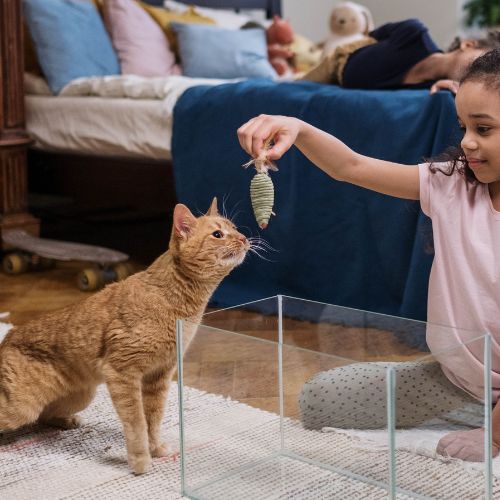
Encouraging children to be kind and attentive to a pet’s body language can help them understand when an animal is happy to play and when they might prefer a bit of quiet time.
Dogs often enjoy energetic play, though supervision can be important in busy moments. Cats may prefer space to move away or take breaks, while small pets like rabbits benefit from calm, gentle handling and being approached in a way that feels comfortable.
Our vets in Northampton recommend creating a few simple boundaries at home like giving pets space when they’re eating or resting.
By keeping a gentle eye on routine, space, and interaction, you can help your pets feel more settled even during the busy school holidays.
If you’re ever unsure about changes in your pet’s behaviour, the team at Northlands are here to help. Contact us to book a behaviour consultation.
Calm Vet Visits: Working Together With You
For some pets, a trip to our veterinary practice in Kettering can feel overwhelming. New smells, unfamiliar sounds and travel in the car can all trigger anxiety. The good news is that vet visits don’t have to be stressful, and creating a calmer experience is something we work on together.
At Northlands, we prioritise a low-stress environment. Wherever possible, we provide pet-specific seating areas to prevent sensory overload and minimise close contact with other animals. Below, our vets in Kettering have also put together some tips for calming your pet before their visit. Have a read and don’t hesitate to contact us for more advice.
Ask us for tailored advice for nervous pets
Happy vet visits: how we work together
Our team at Northlands are trained in gentle handling techniques and using positive reinforcement throughout the examination, allowing pets time to settle. We can also use calming pheromone diffusers, such as Feliway for cats and Adaptil for dogs, to help reduce anxiety in waiting and consulting areas.
Why does this matter? Because a relaxed pet isn’t just happier — they’re easier to examine thoroughly and accurately. Reduced stress means more reliable heart rates, better abdominal palpation and a more positive association with future visits. That leads to better preventative care from our vets and earlier detection of problems.
There’s plenty you can do at home to help too.
Pre-visit checklist
The ‘practice run’
Help your pet feel comfortable with their carrier, crate or car harness well before your appointment at Northlands:
- Leave carriers out at home with cosy bedding, toys and even some treats inside.
- Reward your pet for calmly going in and out.
- Short, positive car journeys that don’t end at the vet can also reduce travel anxiety.
Touch training
In a relaxed setting, gently handle your pet’s paws, ears and mouth, rewarding calm behaviour with praise or treats. This helps desensitise them to the type of gentle handling they’ll experience during an examination by our vets in Kettering.
The hunger factor
If appropriate, bring your pet’s favourite high value treats to your appointment. Special rewards they don’t usually get can help build positive associations with the clinic environment.
If your pet is particularly nervous, we can help further. We offer ‘happy visits’ – short, pressure-free trips to our Kettering veterinary practice – where pets can explore, receive treats and leave without a medical procedure.
Ask us about tailored advice for nervous pets or book a pre-visit chat with one of our nurses to create a bespoke plan. Working together, we can make vet visits a calmer, more positive experience for everyone.
Contact us for tailored advice
Why Is My Pet Losing Hair? Northlands Explains
As the seasons change in Northamptonshire, many pets shed their coats to adjust to warmer or cooler weather. While moulting is completely normal, it can sometimes be mistaken for — or mask — an underlying skin problem. Knowing what’s typical for your pet, and what isn’t, can help you act early if something’s not quite right.
In this article, our veterinary team at Northlands explain how the signs of moulting and skin issues differ in dogs, cats and rabbits. Concerned about a possible skin problem? Book an appointment with our vets in Northampton.
Spotting the signs of seasonal moulting vs skin trouble
Dogs
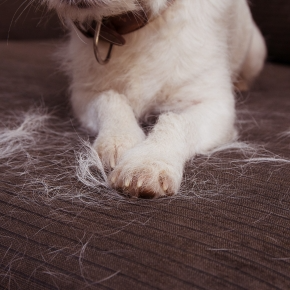
Our vets at Northlands explain that dogs often moult heavily in spring and autumn, particularly double-coated breeds. Normal moulting tends to be even across the body, with no redness or discomfort. Skin trouble, however, usually comes with persistent scratching, chewing, licking or sore patches, especially on the paws, ears, belly or face. Allergies, parasites and infections are common causes, and dogs will often make their irritation very obvious.
Cats
Cats also shed seasonally, though often more subtly. Our vets in Northampton advise that you may notice more fur on furniture or during grooming. Unlike dogs, cats are excellent at hiding discomfort. Signs of skin issues may include over-grooming, hair loss, scabs around the neck or base of the tail, or changes in behaviour. Allergic skin disease and flea reactions are common triggers, even if you never see a flea.
Rabbits
Rabbits moult in stages rather than all at once, sometimes leaving patchy areas of loose fur. Normal moulting shouldn’t cause itching or sore skin. If you notice redness, flaky skin, hair loss, excessive scratching, or crusts, this could point to mites, infection or environmental irritation. Because rabbits have delicate skin, problems can progress quickly without treatment.
When to seek advice
If your pet’s coat change is accompanied by itching, redness, scabs or hair loss, it’s time to have them checked. Skin conditions are often easier to manage when caught early, helping to keep your pet comfortable and prevent ongoing irritation.
Call us on 01604 637175 if you spot any issues. Seasonal moulting is a natural process, but skin trouble is not something your pet should have to live with.
Is your pet scratching? Book a skin assessment with our veterinary team at Northlands and let us help keep their coat and skin healthy, comfortable, and trouble-free.
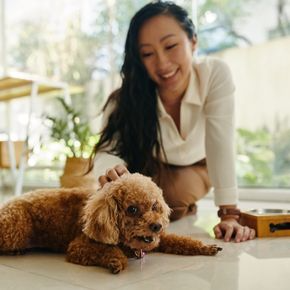
Stepping Into Spring: Refreshing Your Pet’s Daily Routine
As the days start to get longer here in Northamptonshire, many of us are looking forward to the arrival of spring. However, the long winter months can often lead to less activity and a few extra “comfort” treats for our pets. Overfeeding and disrupted exercise schedules during the colder months can affect weight, energy levels, and overall wellbeing.
With spring just around the corner, now is a great opportunity to check in on your pet’s health and ensure they are ready for more active days ahead. In this article, Northlands Kettering’ nurses advise on how to refine your habits at home.
If you need extra help, contact us at our Kettering vet practice and we’ll arrange to see your pet for a top-to-tail check.
Talk to us for tailored advice
Preparing your pet for an active Spring
Refine regular feeding
During the colder months, it’s easy to over-indulge our pets with extra treats. Returning to a consistent feeding schedule with measured portions helps support a healthy weight and digestive comfort as we head into a more active season. Our nursing team at Northlands advise gradually adjusting portions rather than making abrupt changes, which can upset sensitive stomachs.
Get moving
Exercise is key for all pets, not just dogs. As the weather improves around Northamptonshire, increasing play sessions or gentle activity can help pets burn off those winter calories. Cats and small mammals benefit from interactive play or puzzle feeders. For dogs, start increasing the duration of your walks gradually to build up their stamina for the springtime.
Maintain daily routines
Our nurses at Northlands explain how pets thrive on consistency. Reinstating firm routines—such as set walk times, feeding times, and bedtime habits—helps them feel secure and reduces stress as the season changes.
Check-ups and monitoring
Late February is the perfect time to review your pet’s overall health before the busy spring season begins. Check their body condition, look for changes in behaviour, and ensure any weight gain or dental issues are addressed promptly. Northlands Kettering’ veterinary team are happy to provide advice, support, and routine health checks to help your pet step into spring in the best shape possible. Call us for advice or pop into the practice—our vets in Kettering love seeing your pets!
Talk to us for tailored advice
Looking for more pet care news? Explore our range of seasonal pet care articles with expert advice from our team on our news page.
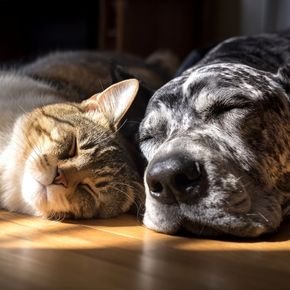
Northlands on Gentler Care for Older Pets
As pets grow older, their needs can change in ways that aren’t always obvious. Many senior cats and dogs continue to enjoy their daily activities, but the same routines that once thrilled them may start to become challenging or uncomfortable. In the article below, our team at Northlands explain how observing your older companion carefully and adapting their routine can make a real difference to their wellbeing, comfort and confidence.
For support with your senior pet’s changing needs, book an appointment and our vets in Northampton will give you tailored advice and a nose-to-tail check-up for your furry friend.
Is your senior pet struggling? How to adjust their routine
Physical ‘slowing-down’
Our vets share how one of the first things to notice is a change in how your pet moves. Slower walks, hesitancy when climbing stairs or reluctance to jump onto favourite furniture may indicate that joints or muscles are feeling the effects of age. Even if your pet still seems happy to go outside, they may benefit from shorter, gentler outings around Northamptonshire with more frequent rest breaks.
Observing changes in your pet’s behaviour
According to our vets in Northampton, behavioural changes can also signal that a routine needs adjusting. An older pet might be less eager to play, show signs of anxiety during previously familiar activities, or appear withdrawn. These subtle cues are important: they may not always indicate illness, but they do suggest that comfort and reassurance should be a priority.
Dietary indicators
Diet and feeding routines are another area to consider. Senior pets often benefit from meals timed to their energy levels, softer food if dental issues are present and careful portion control to support a healthy weight. Maintaining hydration is equally important, particularly if exercise levels have changed.
Introducing new routines
Gentle modifications can make a huge difference. Incorporating low-impact play, providing supportive bedding and creating easy-access spaces helps your pet continue to enjoy favourite activities without strain. Maintaining mental stimulation through interactive toys or short training sessions also supports wellbeing and keeps them engaged.
Routine veterinary care from our team at Northlands becomes even more essential as pets age. Regular check-ups allow us to assess mobility, detect early signs of discomfort or illness and provide guidance on exercise, diet and environmental adjustments tailored to your pet.
By recognising when an older pet needs a gentler approach, you’re not reducing their quality of life – you’re enhancing it. Small changes to routines, combined with ongoing attention and care, help ensure that your senior companion stays happy, comfortable, and confident, enjoying each day to the fullest.
If you’d like guidance on caring for an older pet, book an appointment and our vets in Northampton can offer personalised advice alongside a thorough health check.
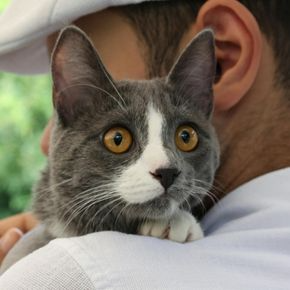
Why Prioritising Your Pet’s Health Is the Ultimate Act of Love
The bond we share with our pets is built on trust, consistency and care. While cuddles, playtime and treats all play their part, one of the most meaningful ways to show love to your dog or cat is by protecting their health. Thoughtful, proactive healthcare with our team at Northlands supports not only physical wellbeing, but also the emotional connection you share.
Routine health checks with our vets in Northampton are a cornerstone of this relationship. Regular visits allow us to monitor your pet’s weight, teeth, joints, skin and internal health over time – if your pet is due a health check then book an appointment today.
The quiet ways health care brings you closer to your pet
Many illnesses develop slowly and quietly, especially in cats, and early changes are often subtle. Spotting potential problems early means treatment can begin sooner, helping to reduce discomfort and avoid more serious issues later on.
For your pet, this gentle, preventative approach helps build confidence and familiarity with veterinary care, making future visits to see our vets in Northampton far less stressful.
Preventative care
Preventive care is another important way owners support long-term wellbeing. Our pet services like vaccinations, parasite control, dental care and nutritional advice are all designed to protect your pet from avoidable illness and discomfort.
These small, regular actions provide reassurance and stability, allowing your pet to enjoy life with fewer interruptions from ill health. Over time, this consistency strengthens trust as your pet learns that their needs are understood and met.
Continuing the good work at home
Caring for your pet’s health also means paying attention at home. Changes in behaviour, appetite, energy levels or grooming habits can be early indicators that something is not quite right. Responding promptly to these signs shows your pet that they are safe and supported. Early intervention by our vets at Northlands often leads to simpler treatments and better outcomes, helping your pet feel comfortable and secure.
Perhaps most importantly, prioritising health reinforces the idea that your pet is a valued member of the family. Dogs and cats thrive when they feel protected and understood. By committing to their ongoing care, you create a partnership built on trust, reliability and compassion.
Looking after your pet’s health is not just about preventing illness. It is an ongoing expression of love, responsibility and connection. Through regular care and attention, you help your pet enjoy a happier, healthier life while strengthening the bond that makes your relationship so special.
Our veterinary practice in Northampton is here to support you with pet care and treatment whenever you need us – book an appointment anytime for advice, routine check-ups or a closer look at pet health concerns.
Looking for more pet care news? Be sure to check our other seasonal articles for tips from our vets in Northampton and everything you need to know about responsible pet care.
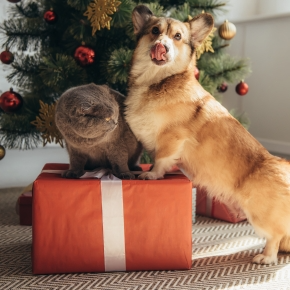
Which Christmas Trees Are Best When You Have Pets?
Real Christmas trees are beautiful, but are they the best option when you have pets? At this time of year, our vets in Kettering often see cases where curious cats, dogs or rabbits have got a little too close to the tree, with unfortunate results.
If you do need urgent help, call our team at Northlands on 01536 485543 straight away and we’ll arrange to see your pet as quickly as possible.
See our out of hours emegency vet service information
Which type of Christmas tree is best for pets?
Real Christmas trees
1. Pine needle problems
Pine needles may look harmless, but they’re sharp and non-digestible. If chewed or swallowed, they can cause irritation or even punctures to the mouth, throat, and stomach. Northlands Kettering’ team share that pets who eat pine needles may show signs such as drooling, vomiting or reluctance to eat. In severe cases, the needles can cause dangerous internal blockages that require emergency care.
Pine trees also contain natural oils (terpenes) that can upset your pet’s stomach or cause skin irritation. Cats are particularly sensitive to these oils and may develop drooling, weakness or tremors after exposure. If you’ve ever wondered “are pine needles toxic to cats and dogs?”, the answer is yes, they are.
2. Troublesome tree water
Our vets in Kettering explain that Christmas tree water often contains sap and sometimes fertiliser that can cause tummy upsets if pets drink it.
Are plastic trees safe?
The short answer is, not really. If you have an artificial tree, remember they’re not risk-free either, as their plastic or tinsel-like needles can cause choking if chewed.
Call us on 01536 485543 straight away if you’re pet has ingested anything harmful.
Our verdict?
We don’t want to be bah-humbug, so our advice is always “think safety first!” Here are a few Christmas tree tips to reduce risk at home:
- Reduce pet access to the tree if you can.
- Failing that, sweep up fallen pine needles daily.
- Secure your tree to a wall if possible to prevent tipping.
- Avoid issues with tree water by securely covering the base of your tree.
- If buying a plastic tree, ensure there are no small detachable parts that could be chewed off and swallowed.
- Tie up loose cables.
- Always choose pet-safe decorations and avoid having tinsel or edible ornaments within reach of pets.
Taking a few simple precautions will maximise the chances of your pets staying healthy and your home festive. Our veterinary team at Northlands love seeing your pets, but we’re sure an emergency admission on Christmas Eve isn’t on your wish list!
Call us for advice or pop into the practice if there’s anything you’re unsure about before the holidays.
Looking for more pet care news? Be sure to check our other seasonal articles for tips from our vets in Kettering and things you need to know about winter pet care.
Affordable Pet Gifts Ideas for Christmas
New research reveals that pet owners in Northamptonshire are set to spend up to £1.1 billion on their pets this Christmas.
Over two-thirds of pet owners (68%) are prepared to spend up to £50 to make sure their furry friends have a special day. From treats to toys and cosy accessories, it is clear pets are very much part of the family. But Christmas can also stretch budgets and you don’t need to spend a fortune to bring joy to your pets this festive season in Northamptonshire.
Our reception team at Northlands have put together some budget-friendly gift ideas to keep tails wagging and whiskers twitching – all without breaking the bank.
Got some ideas you’d like to run by us? Contact our team and let’s chat about gifts!
Christmas pet gifts on a budget
Festive fun for dogs
Dogs don’t need expensive toys to enjoy Christmas – tasty treats and your company are what really matter.
- Frozen treat: Fill a rubber toy with plain yoghurt and a few blueberries, then freeze for a refreshing snack.
- DIY treat jar or stocking: Create a personalised gift filled with small, affordable treats.
- Affordable festive goodies: Check out our reception area at Northlands for a selection of budget-friendly dog treats perfect for the holiday season.
Festive treats for cats
Cats love small surprises and cosy spots more than wrapped gifts.
- Cardboard castle: Transform delivery boxes into a multi-level hideout. Also a fun craft to do with the kids.
- Simple teaser toy: Tie a feather or scrunched foil ball to a string for endless play.
- Tuna topper: Add a spoonful of tuna in spring water to their dinner for a special Christmas meal.
Festive delights for rabbits & guinea pigs
Small pets appreciate enrichment and interactive play over expensive presents.
- Foraging roll: Hide hay and pellets inside a cardboard tube for a fun hunt.
- Natural chews: Twigs from untreated apple or willow trees are ideal for nibbling.
- Seasonal snacks: Offer a slice of carrot or a few fresh herbs like parsley or coriander.
Even on a tight budget, your pets can have a joyful, festive Christmas. With a little creativity, some recycled materials, and a sprinkle of love, you can make their holiday season special.
Our veterinary team in Northampton are always happy to help with ideas and festive treats for dogs, cats and rabbits—just drop us a line.
From all of us at Northlands, we wish you a Merry Christmas filled with wagging tails, purrs and happy hops!
Festive Feasting: What’s on the Menu for Furry Friends?
We all love a Christmas treat, and it’s only natural to want our pets to share in the fun. But while some festive foods are safe, many traditional dishes can be harmful to dogs and cats.
Our team at Northlands have put together two simple menus of safe Christmas food so cats and dogs can enjoy the celebrations safely. If you’re wondering what your pet can and must not eat at Christmas, ask our vets in Northampton for tailored nutritional guidance.
Contact us for nutrition advice
Planning a Christmas dinner for pets
Paws…to read this disclaimer: Changing a pet diets suddenly can cause upset tummies and anything new should always be given in small portions. Ensure any extras form part of your pet’s normal daily diet and adjust portion sizes to avoid overeating.
Now, to the good stuff!
Christmas Menu for Dogs
Northlands’ team explain that dogs can enjoy small portions of plain, cooked foods – just keep things simple and skip the seasoning.
- Starters: A few slices of cooked carrot, green beans or broccoli make crunchy, low-calorie snacks.
- Main course: Lean white turkey or chicken (boneless, skinless and unseasoned) with a spoonful of plain mashed or boiled potato. Avoid gravy, onions and stuffing.
- Dessert: A few blueberries or apple slices (no cores or seeds) are packed with antioxidants and fibre.
- Festive extras: A spoonful of plain pumpkin purée or natural yoghurt can help digestion, but only in moderation.
Want more nutrition advice for your dog? Pop in to see us at Northlands or call us on 01604 637175 – we’re happy to help plan a satisfying and healthy menu for your pet.
Christmas Menu for Cats
Cats are true carnivores, so their festive feast should be high in protein and free from seasoning or sauces.
- Starters: A little plain, cooked white fish such as cod or pollock.
- Main course: Small pieces of cooked turkey, chicken, or beef with no skin, bones, or gravy.
- Festive extras: Offer a spoonful of cooked pumpkin or a catnip toy for a fun, safe indulgence.
Remember, a festive meal should always be small and simple as too many rich treats can upset sensitive stomachs. If you’re unsure whether something is safe, call our vets in Northampton for advice.
Contact us for nutrition advice

How to Help Pets Stay Calm This Holiday Season
The festive season is a time of joy for families, but for pets, the sudden changes and excitement can sometimes be overwhelming.
Whether it’s dogs reacting to noisy gatherings, cats unsettled by visitors or small furries startled by new scents and sounds, the holiday season can easily unsettle our animal companions. If you have a busy household, a nervous pet or one who hasn’t encountered a festive period yet, contact our vets in Northampton for advice on how to keep them calm and happy.
Contact us for tailored advice
Veterinary tips for stress-free pets in the holidays
Dogs and the festive season
Dogs are typically creatures of routine, and all the extra commotion during the holiday season—from visiting relatives to fireworks around Northamptonshire and parties—can cause anxiety. Look out for signs such as trembling, pacing, excessive panting or hiding.
Our team at Northlands recommend giving your dog a quiet, safe space away from the bustle and avoid forcing them to join in when they’d rather not. Simple steps can reduce pet stress during the holidays, such as using pheromone diffusers, playing gentle background music or working on calm behaviour training in advance.
Cats and Christmas chaos
Cats thrive on predictability and personal space. Rearranged furniture, new decorations or guests can leave them feeling insecure. If your cat starts hiding more often, toileting outside the tray or over-grooming, these are likely signs of stress. Keep food, water and litter trays in their usual places and provide quiet hideaways where they can retreat undisturbed.
Our vets at Northlands advise slow introductions to visitors and helping anxious pets at Christmas with pheromone diffusers or calming sprays can make a big difference.
Caring for rabbits, guinea pigs and other small pets
Small furries are particularly sensitive to noise and handling. Frequent disruptions, loud music or over-enthusiastic visitors can cause distress. Keep their enclosures in a calm, quiet area of the house, maintain normal feeding and cleaning routines and handle them gently and minimally during busy periods.
A peaceful season for everyone
By creating peaceful spaces and maintaining familiar routines, you can help your pets feel safe and secure during the festivities. If you notice changes in behaviour or appetite, talk to our veterinary team at Northlands and they’ll help you find the best ways to keep your pets calm and happy over the holiday season.
Talk to us for tailored advice