
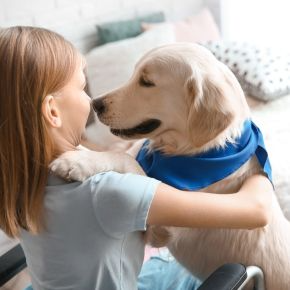
School Holidays and Pets: Advice from vets in Northampton


When school holidays arrive in Northamptonshire, homes often become busier, noisier and more unpredictable, especially with younger children! While this can be a valued period of family fun, it can come with its own set of challenges, changes in routine, and extra stress for both you and your pet.
At Northlands, our veterinary team often speak to owners about how changes at home, such as children being off school, can affect pets’ behaviour and wellbeing. In this article, our veterinary team in Northampton share practical advice on helping pets adjust during the summer holidays and keeping routines as consistent as possible.
If you’re concerned about your pet’s behaviour, contact us to book a behaviour appointment.
Book a behaviour consultation today
How do school holidays affect pets?
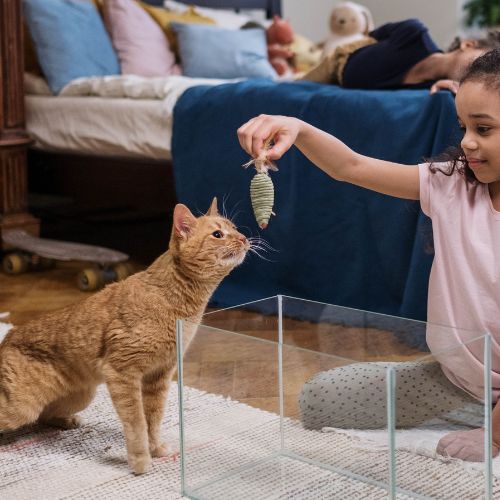
Most pets benefit from consistent routines, with feeding, exercise and quiet rest time happening at similar times each day to help them feel settled. However, during the holidays when your routine changes, so does theirs. While for some pets, it may be exciting to have more humans around, different waking times, irregular meals and increased noise can sometimes lead to stress.
Our vets in Northampton explain that dogs may become overexcited or unsettled with extra activity, cats may withdraw or hide, and rabbits can become anxious if their environment becomes too busy or unpredictable.
Signs your pet may be stressed
At Northlands we often see that many pets are good at hiding signs of stress, so look out for:
- Withdrawing or hiding (common in cats and rabbits)
- Changes in appetite or sleep
- Increased vocalisation or attention-seeking (often in dogs or cats)
- Destructive behaviour or toileting accidents
- Signs of anxiety, such as pacing, overgrooming or thumping in rabbits
Pets stressed by children or routine changes may also become less tolerant of handling, so the team at Northlands recommend a bit of extra supervision.
Managing a pet school holiday routine
Here are some of our top tips for reducing stress in your pet for the holidays.
- Stick to feeding times: Feeding at similar times each day helps support all pets, particularly rabbits who rely on consistent digestion.
- Maintain exercise and enrichment: Dogs benefit from regular walks, while cats and rabbits benefit from daily play and stimulation.
- Protect rest time: Cats and rabbits especially benefit from quiet, undisturbed spaces to retreat to.
- Keep familiar setups: Avoid moving litter trays, hutches or sleeping areas where possible.
Encouraging positive interactions with children
Living with both pets and children can be especially lively during school holidays, and a bit of gentle guidance goes a long way in keeping things calm for everyone.
Encouraging children to be kind and attentive to a pet’s body language can help them understand when an animal is happy to play and when they might prefer a bit of quiet time.
Dogs often enjoy energetic play, though supervision can be important in busy moments. Cats may prefer space to move away or take breaks, while small pets like rabbits benefit from calm, gentle handling and being approached in a way that feels comfortable.
Our vets in Northampton recommend creating a few simple boundaries at home like giving pets space when they’re eating or resting.
By keeping a gentle eye on routine, space, and interaction, you can help your pets feel more settled even during the busy school holidays.
If you’re ever unsure about changes in your pet’s behaviour, the team at Northlands are here to help. Contact us to book a behaviour consultation.
Water Bottles vs Bowls for Rabbits and Guinea Pigs
Choosing the right water set-up for small pets is an important part of keeping them healthy and hydrated. At Northlands Cat & Rabbit Care Clinic, our vets often speak to owners who are unsure whether bottles or bowls are best for rabbits and guinea pigs.
The short answer is, both can work well, but it depends on your pet’s needs and preferences. Keep reading to find out what is best for your pet type.
If you’re unsure about your rabbit or guinea pig’s set-up, or have a concern about hydration, book an appointment with our friendly team in Northampton.
Book an appointment for tailored advice
Rabbit vs guinea pig drinking behaviour
Northlands Cat & Rabbit Care Clinic’s veterinary team highlight that rabbits and guinea pigs are prone to bladder sludge and bladder stones, so maintaining good hydration helps dilute urine, support kidney function, and reduce calcium build-up in the bladder.
Both species need constant access to fresh water, but they do not always drink in the same way. Therefore, whether you have a rabbit or a guinea pig, you should monitor their water intake closely, as their needs differ.
Rabbit drinking routines
Rabbits may drink less consistently and can obtain more moisture from fresh hay and leafy greens. However, even small reductions in drinking can become a concern, as hydration is essential for healthy digestion and gut movement. A typical domestic rabbit weighing around 2.5 kg (5.5 lbs) will usually drink between 125 and 375 ml of water per day.
Guinea pig drinking routines
Guinea pigs often drink more actively and may rely more directly on their water source. Changes in drinking habits, whether an increase or decrease, can sometimes be an early sign of dental or urinary issues. A guinea pig weighing around 1 kg (2.2 lbs) generally needs approximately 50 to 150 ml of water daily.
Bottles for rabbits and guinea pigs
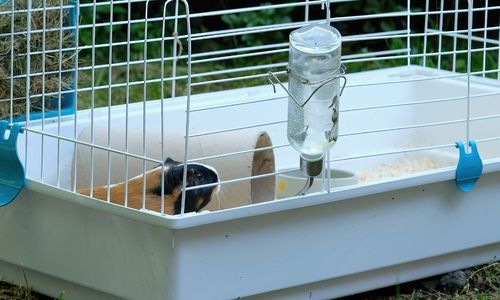
Water bottles are commonly used because they help keep water clean and reduce contamination from bedding or food. They are less likely to be knocked over in busy hutches or enclosures.
However, bottles are not always perfect. Nozzles can become blocked, and some pets may struggle with low water flow. Our vets in Northampton recommend checking the nozzle regularly, especially during warmer weather when hydration needs increase.
Bowls for rabbits and guinea pigs
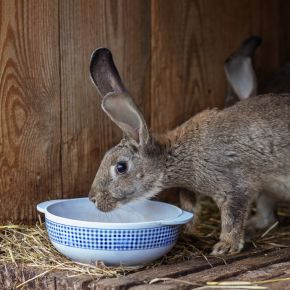
Water bowls offer a more natural drinking position, particularly for rabbits, as they are more likely to lap water from natural sources such as ponds or streams in the wild. They also allow pets to take in water more quickly, which can be especially helpful in hot weather when they may drink larger amounts at once.
However, bowls can become dirty more easily and may be tipped over, leading to reduced water intake if not monitored closely. Our team in Northampton suggest trying a heavy ceramic bowl as it may help reduce this risk.
Our team at Northlands Cat & Rabbit Care Clinic have asked guinea pig and rabbit owners which theirs prefers and honestly, there is no clear winner! Therefore, we advise offering both where possible, so your pet can drink in the way that feels most natural to them and monitoring intake to make sure they’re staying well hydrated.
If you’re unsure whether your pet is drinking enough, or you have noticed sudden changes in drinking, appetite, or behaviour, it is best to seek veterinary advice straight away. Call us on 01604 478888 or see Northlands Cat & Rabbit Care Clinic’s emergency information below.
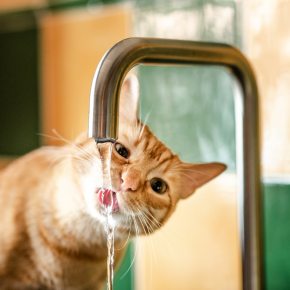
Do Pets Need More Water During Summer?
As temperatures rise this month in Northamptonshire, keeping your pet hydrated is especially important, as pets can lose fluids quickly.
At Northlands, many owners ask us how to tell if their pet is drinking enough. That’s why our veterinary team in Kettering have put together practical advice to help you recognise when your pet needs more water so you can keep them hydrated this summer.
Worried about your pet’s fluid levels? Book a check-up today
Do pets need more water in summer?
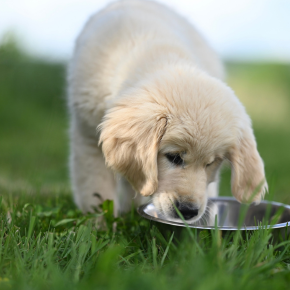
Yes – pets lose more fluid through panting, grooming and activity due to the heat.
Our veterinary team in Kettering explain that dogs may pant more to cool down, whereas cats and small pets lose heat more passively through their skin and fur, their breathing, and the surrounding air – especially when it’s cool or moving. Some pets will naturally drink more, but others may not, which is why monitoring intake is important.
Diet also plays a role. Pets fed mainly dry food will generally need to drink more compared to those eating wet food or fresh produce, because dry diets contain very little moisture.
As a general guide, many pets will regulate their own intake if fresh water is always available. However, there are some useful ways to help.
How to keep your pet hydrated in summer
These simple steps from Northlands can help maintain good pet hydration in summer, with a few small adjustments depending on your pet:
Provide constant access to water
Water should always be available. In the Northamptonshire hot weather, pets may drink little and often, so even short periods without access can increase the risk of dehydration. For small pets, this is especially important as consistent hydration supports digestion and gut health.
Change water regularly
Changing water frequently helps keep it clean, cool and free from debris. Your pet is unlikely to be as interested in stale water, so regular refreshing can encourage better drinking habits. Bottles for small pets should also be checked to ensure they are flowing properly and at the correct height.
Offer multiple water sources around the home
Placing more than one bowl or bottle in different areas encourages drinking. Dogs and cats may be more likely to drink if water is nearby where they rest, while small pets benefit from backup sources in case one becomes empty or blocked.
Keep water in cool, shaded areas
For outdoor pets or hutches, positioning them (including water sources) in shaded areas is particularly important.
Add wet food or water-rich vegetables where appropriate
Incorporating moisture through diet can support hydration. Wet food contains a high percentage of water, while fresh vegetables can also contribute to fluid intake. You can also add a small amount of water or pet-safe broth to dry food. Our veterinary team at Northlands recommend this as a particularly helpful addition for cats, who may naturally drink less, and for rabbits and guinea pigs, who benefit from water-rich greens.
When should I be concerned?
While some variation in drinking is normal, if your pet is not drinking, seems unwell, or shows changes in behaviour, it’s best to seek advice promptly.
Smaller pets can deteriorate more quickly if hydration levels drop. If your rabbit, guinea pig or small furry has stopped drinking entirely, <a href="01536 485543“>contact us immediately.
If you’re concerned about your pet’s water intake or overall health, book an appointment with our team in Kettering today.
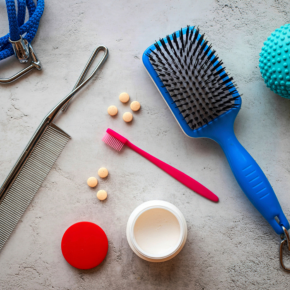
Northampton Vets Explain Whether You Should Shave Your Cat or Dog This Summer
As the hotter months arrive in Northamptonshire, we’re all shedding layers to make the most of the sunshine — but are our furry friends feeling the heat too? Many owners wonder whether shaving or trimming their pet’s coat could help keep them cool, especially breeds or species with longer or thicker fur.
It’s a common instinct, but the answer isn’t always straightforward. Below, our veterinary team at Northlands are here to advise on when it’s appropriate to trim or groom your pet for summer, and which pets should never be shaved.
If you’re unsure about how to best keep your pet happy and healthy this summer, make an appointment for tailored advice on summer pet care.
Book a grooming consultation with our team
Summer Grooming for Cats, Dogs and Small Pets
Should I shave my dog for summer?
Our Northampton vets advise against a seasonal trim for many dog breeds, as their coats are designed to provide natural insulation, trapping cool air to keep their temperature from rising and protecting their skin.
Northlands also warns against shaving double-coated breeds, including Arctic and spitz dogs like Siberian Husky and Samoyed, herding breeds like German Shepherd, retrievers like Golden Retriever, and small breeds like Pomeranians.
However, there can be exceptions for certain breeds who have hair rather than fur, or continuously growing coats, such as the Poodle, Shih Tzu and Maltese.
If you are unsure whether it is safe to trim your dog, get in touch and our friendly team at Northlands will provide tailored advice.
Should I shave my cat for summer?
No, you should not shave your cat for summer. A cat’s coat acts as natural insulation — so removing it can increase the risk of stress, sunburn and overheating for both short and long-haired cats.
Should I shave my guinea pig or rabbit?
For small pets like rabbits and Guinea pigs, our vets in Northampton warn against shaving. Their fur helps regulate body temperature and protects their delicate skin, so removing it can lead to stress, injury, or difficulty staying warm or cool.
When is it ok to shave my pet?
There are a few exceptions where shaving may be recommended under professional guidance:
- Severe matting that can’t be safely brushed out
- Medical reasons (e.g., surgery or skin conditions)
- Elderly or overweight pets that struggle to groom themselves properly
In these cases, a vet or groomer may suggest a partial trim or targeted shave to keep the pet comfortable while protecting their skin and insulation.
Safe alternatives to keep your pet cool
Our Northampton vets recommend focusing on simple, safe ways to help your pet stay comfortable during warmer weather, without the need for shaving.
- Fresh water always available
- Shade and airflow: keep pets out of direct sun and keep their environment ventilated.
- Cool resting areas: tiles, damp towels, or cooling mats.
- Avoid peak heat: walk dogs early morning or late evening.
- Grooming instead of shaving: regular brushing to remove loose fur and prevent matting.
- Extra cooling options: cold treats or chilled veggies (species-appropriate)
Simple care and the right advice can make all the difference this summer. If you’d like to speak to our vets in Northampton about your pet’s coat, book an appointment today.
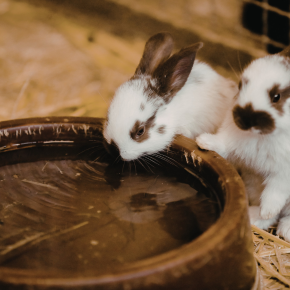
Keeping Your Rabbit Cool This Summer With Northlands Cat & Rabbit Care Clinic
As we’re enjoying more June days in Northamptonshire, you may be thinking about letting your rabbit outdoors or adapting their current hutch to keep them comfortable in the heat.
Our veterinary team advises that rabbits are particularly vulnerable in warmer weather. That’s why Northlands Cat & Rabbit Care Clinic have put together this practical safety guide to help keep your rabbit cool, safe, and happy this summer.
If you’d like reassurance before making any changes to your rabbit’s environment, book an appointment today to check their health and wellbeing.
Book an appointment for tailored advice
Can I keep my rabbit outside in the summer?
Rabbits can live outdoors during summer, but only if conditions are carefully managed. Our vets in Northampton warn that rabbits are highly sensitive to heat, with temperatures above 25°C posing a risk of heat stress, and anything approaching 30°C becoming dangerous. This means a peak summer’s day in Northamptonshire can be a safety hazard. As rabbits cannot sweat or pant effectively, they rely on their environment to stay cool.
If you do keep your rabbit outside, their enclosure should be positioned in constant shade, sheltered from direct sunlight and strong winds. Plenty of fresh water, airflow, and cool resting areas such as tiles or damp towels are essential. Secure, predator-proof housing is also a must.
At Northlands Cat & Rabbit Care Clinic, we recommend keeping rabbits indoors as their primary environment. However, access to a safe, shaded garden can provide enrichment and help regulate temperature. During heatwaves, it’s especially important to bring them inside and monitor them closely for signs of overheating, such as lethargy or rapid breathing.
Signs of overheating in rabbits
Northlands Cat & Rabbit Care Clinic’s team advise that rabbits regulate their body temperature in several ways, including faster breathing, heat exchange through their nasal passages, and increased blood flow to their ears to help dissipate heat. You may also notice them stretching out or lying on cool surfaces to stay comfortable. However, these cooling methods can quickly become overwhelmed in hot weather. The team in Northampton advises watching closely for the following signs of overheating:
- Hot, red ears
- Fast or laboured breathing
- Lethargy or weakness
- Shaking, wobbliness, or confusion
- Bleeding
- Collapse, seizures, or unconsciousness
If you notice these symptoms – contact us right away.
How to keep rabbits cool in summer
Keeping your rabbit cool can be a breeze — here are our top tips from Northlands Cat & Rabbit Care Clinic:
- Keep hutches out of direct sunlight: position enclosures in shaded areas and remember the sun shifts throughout the day. Additionally, never house rabbits in heat-trapping spaces such as conservatories or enclosed glass areas
- Increase water access: provide extra fresh water and check it regularly, as it can warm up quickly
- Improve airflow: for indoor rabbits, open windows safely to allow a cooling breeze
- Groom regularly: removing shedding fur and debris through gentle brushing helps prevent overheating
- Use safe cooling aids: frozen water bottles wrapped in a towel can provide a cool surface to rest against
- Check daily: monitor your rabbit at least twice a day for signs of heat stress or flystrike
- Monitor their weight: Overweight rabbits pose a greater risk of overheating.
If you’d like personalised advice on your rabbit’s care, our team in Northampton is here to help. Book an appointment today
Can Cats, Dogs and Rabbits Get Sunburned? Northlands Explains
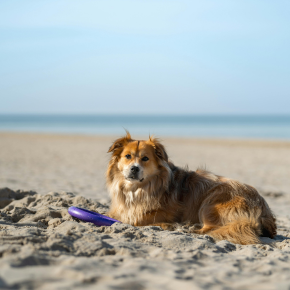
As the temperature rises in Northamptonshire, most of us are reaching for the SPF, but what about our furry friends? While your pet’s fur provides a level of natural protection, many owners don’t realise that pets can get sunburned too.
At Northlands, we want to ensure your companions enjoy the summer safely, so our team in Northampton has put together this guide on solar safety for cats, dogs, and rabbits.
If you are worried about your pet’s skin this summer, you can book a skin assessment with our friendly team.
Sunburn in pets: yes, it happens
Our vets in Northampton warn that pets are just as susceptible to UV damage as we are. Sunburn in pets isn’t just uncomfortable; it can lead to more serious health issues, including skin cancer if not managed correctly.
Is my pet at risk of sunburn?
While any pet can suffer in extreme heat, those with white or light-coloured coats, or very thin fur, are at the highest risk. Specifically, keep a close eye on:
- Cats: White and light-coloured cats or those with white ears and noses.
- Dogs: Breeds with short, thin coats or pale skin (like Dalmatians or Bull Terriers).
- Rabbits: Especially those with white fur and pink ears.
Vulnerable areas
Sunburn usually strikes where the skin is most exposed. the team at Northlands advises owners to pay particular attention to:
- Ear tips and noses
- The belly and inner thighs
- Pale or thin-furred patches
How to protect your pet from the sun
Keeping your pet safe during a Northamptonshire heatwave doesn’t have to be complicated. The team at Northlands suggest these simple steps:
- Pet-safe sun block: Use a waterproof, zinc-free sun cream specifically designed for pets on exposed areas like ear tips, noses and tummies.
- Seek the shade: Ensure your pet always has access to shaded areas, especially when the sun is strongest.
- Protective clothing: For dogs with very thin hair, lightweight sun-protective shirts can act as a great barrier against UV rays.
- Keep hydrated: Give your pets constant access to fresh, cool water. You can even put ice cubes in their water bowl to keep it chilled for longer.
- The “Five Second Rule”: Pavement burn risks are high in summer. If the ground is too hot for your hand to touch for five seconds, it is too hot for your pet’s paws.
- Cooling aids: Provide damp towels for your pet to lie on. This helps them regulate their body temperature.
If you have questions about pet sunburn prevention or need to top up on summer essentials, our vets are here to help. You can book a skin assessment at our Northampton practice to ensure your pet stays healthy all summer long.
Heatstroke in Pets: Signs, Symptoms and What to Do
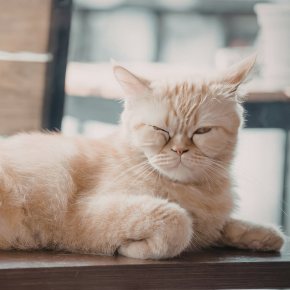
At last…June brings us longer days and warmer weather, perfect for dog walks around Northamptonshire and garden adventures with your pet. But as temperatures climb, so does the risk of heatstroke, and it can escalate faster than many owners realise.
Our veterinary team at Northlands will walk you through the early warning signs of heatstroke in dogs, cats, rabbits and small pets, and what to do if you’re concerned.
If you suspect your pet may be suffering from heatstroke, don’t wait, call us immediately for advice on 01536 485543.
Signs and symptoms of heatstroke in pets
Our vets at Northlands explain that the early warning signs of heatstroke can vary between species, but there are key indicators every owner should know:
Dogs and cats
- Excessive panting or difficulty breathing: heavy, laboured breathing that seems out of proportion to their activity level.
- Drooling more than usual: excessive saliva.
- Lethargy or weakness: your pet seems unusually tired, confused or unsteady on their feet.
- Increased heart rate: a fast pulse could signal overheating.
- Vomiting or diarrhoea: digestive upset can occur as the body struggles to regulate temperature.
Rabbits and small pets
Rabbits and small pets are among the most vulnerable in warm weather because they can’t pant or sweat effectively, yet they’re often the most overlooked.
- Rapid or shallow breathing: breathing changes are a serious early sign.
- Lethargy and flopping: a pet lying flat and unresponsive in the heat requires immediate attention.
- Wet nose or ears: some small pets may dampen themselves to cool down.
- Loss of appetite: small pets who suddenly stop eating in warm weather may be struggling with the heat.
What to do if you think your pet has heatstroke
If you suspect heatstroke, stay calm but act quickly. Our vets in Kettering recommend the following steps while you arrange emergency care.
- First, move your pet indoors/away from the heat source. For pets comfortable with water, you can gently pour cold (not freezing) water over their body, keeping it away from their face, nose and mouth. .
- Open windows and doors or switch on a fan or air conditioning to create a breeze and offer cold water to drink.
- Place them on top of a cold wet towel rather than wrapping them in it, as this traps heat. If you have an ice pack, wrap it in a towel and place it between their thighs (dogs), or next to or beneath smaller pets.
- Our vets at Northlands stress that even if your pet seems to be recovering, always call us straight away.
While the idea of heatstroke can be scary, knowing the signs and what to do could make all the difference for your pet this summer in Northamptonshire. If you’d like peace of mind, book a summer health check with our team today.
Summer Bodies: Why A Pet’s Weight Matters in the Heat
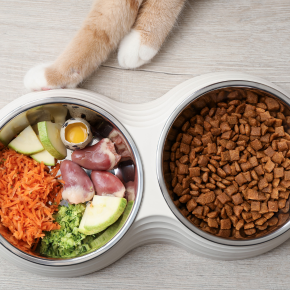
As the days get longer and temperatures rise in Northamptonshire, summer is the perfect time to get active with your pet; but warmer weather also brings increased physical demands. Extra weight can put strain on the heart and lungs, making your pet more susceptible to overheating, fatigue and even heatstroke.
Now is the ideal moment to check your companion is at a healthy weight, and in this article, our vets in Northampton explain how. You can also book an appointment with our nursing team at Northlands to assess your pet’s weight.
Is your pet a healthy weight for summer?
Understanding Body Condition Score (BCS)
The Body Condition Score (BCS) is a practical way to assess your pet’s weight beyond the weighing scale. Rather than focusing on numbers alone, BCS encourages owners to feel the ribs and not just see the scale. Our team at Northlands explain that a healthy pet’s ribs should be easily felt under a thin layer of fat, with a defined waist visible from above and a slight abdominal tuck from the side.
The perception gap
According to 2026 PDSA Pet Health Survey data, there’s often a perception gap between what owners believe is a healthy weight and the reality. Many pets carry extra pounds from the winter months –- the ‘winter coat’ of fat, which can go unnoticed. These extra kilos may not seem significant now, but they can dramatically increase the risk of overheating and joint strain when your dog or cat is more active during summer.
Why weight matters
Excess weight doesn’t just make your pet sluggish; it worsens joint problems, slows recovery from exercise and increases the risk of heart and respiratory issues. Northlands’s share that even modest weight loss in an overweight pet can improve stamina, mobility, and overall comfort – helping them enjoy long summer walks, runs, or play sessions safely.
Tips to keep pets lean and active
- Short, frequent walks for dogs around Northamptonshire, gradually increasing distance.
- Interactive play for cats, encouraging movement indoors.
- Monitor portion sizes and reduce treats if needed.
- Regular weigh-ins and BCS checks to track progress.
Plan ahead
Summer is the perfect time to set your pet up for success. A healthy weight improves comfort, can help to prevent overheating and ensure they get the most out of the sunny months in Northamptonshire.
If you’re unsure whether your pet is carrying extra weight, our veterinary nurses in Northampton can help. Book a weight assessment today to get personalised advice, check your pet’s BCS and create a plan to keep them lean, mobile, and safe this summer.
Essential Flystrike Advice for Rabbits & Guinea Pigs
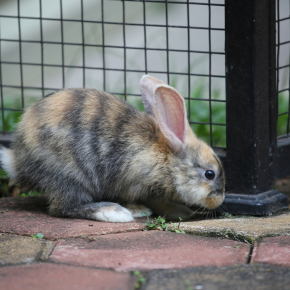
Flystrike (myiasis) is one of the most serious summer risks for rabbits and guinea pigs around Northamptonshire. During warm, humid weather, blowflies can lay eggs on your pet’s fur, often around the rear end. These eggs hatch into maggots that burrow into the skin, causing severe pain, shock and potentially fatal infection. This can all happen in under 12 hours, making flystrike a serious threat to small pet health.
Prevention is always better than emergency treatment. Flystrike should never be a reactive issue—it requires daily vigilance. In the article below, our vets in Northampton explain how to prepare and protect your pet.
Book an appointment for tailored advice from our team at Northlands Cat & Rabbit Care Clinic to ensure your small pet is fully protected this summer.
Flystrike advice for rabbits & guinea pigs
A zero-tolerance approach to flies
Your flystrike prevention protocol should include:
- Twice-daily rear-end checks (morning and evening), looking for damp fur, soiling, redness or small white eggs.
- Meticulous hygiene: Remove soiled bedding daily and deep-clean hutches regularly.
- Diet management: Prevent digestive upsets that cause soft stools, which attract flies.
- Topical preventative treatments: Ask our vets at Northlands Cat & Rabbit Care Clinic about the best option for your pets.
How topical prevention works
Modern topical treatments prescribed by our vets in Northampton are not simple repellents. They are insect growth regulators (IGRs).
- Application: A liquid is applied to the fur around the rear, hips and underbelly.
- Mechanism: If a blowfly lays eggs, the treatment prevents them from developing into damaging larvae.
- Duration: One application typically protects for 8–10 weeks, covering peak UK fly season.
With British summers becoming warmer and more humid, blowfly populations are appearing earlier and remaining active longer. Topical prevention acts as a vital safety net, but it is not a substitute for hygiene. Even treated pets must still have daily hutch cleaning and twice-daily checks.
Call us on 01604 478888 to seek prompt advice from our vets if you spot any signs of infestation.
Hidden risks
Even a seemingly clean rabbit can be targeted if they have a minor digestive upset, urinary leakage, obesity (making grooming difficult), or small skin folds. Guinea pigs are also vulnerable, particularly long-haired breeds.
A critical safety warning
Our team at Northlands Cat & Rabbit Care Clinic warns never to use flea treatments designed for dogs or cats on rabbits or guinea pigs. Some common ingredients are highly toxic to small mammals. Always use a vet-prescribed product licensed specifically for them.
Flystrike is one of the most important, yet often overlooked, summer health risks for small furries in Northamptonshire. With a strict prevention plan, you can dramatically reduce the risk and protect your pet from a life-threatening emergency.
If you would like personalised guidance on hygiene, weight management or preventative treatments, book an appointment at Northlands Cat & Rabbit Care Clinic today.
Book an appointment for tailored advice
Looking for more advice on caring for your small furry pet? Be sure to check our other articles for tips from our vets in Northampton.
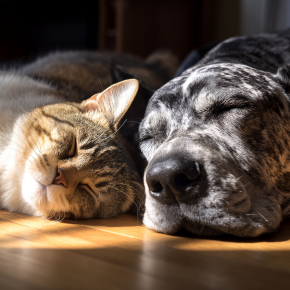
Arthritis Aware: Helping Senior Pets Stay Lean & Active
It’s common to hear, “they’re just slowing down because they’re getting older”. But while ageing in pets may bring natural changes – significant stiffness, weight gain and reduced activity are not simply inevitable. In many cases, they’re linked and manageable.
In the article below, our team at Northlands have prepared a guide on mobility changes you can expect to see in your older pet as well as ways of keeping them mobile later in life. Book a senior pet assessment and our vets in Kettering will examine their weight and provide a tailored management plan.
Keeping senior pets mobile and lean
As pets age, joint wear and tear can lead to osteoarthritis. At the same time, excess body fat doesn’t just add physical strain, it actively fuels inflammation. Fat tissue produces inflammatory chemicals (cytokines) that can worsen arthritis, increasing discomfort and reducing mobility. The result is a cycle: weight gain leads to joint pain, joint pain leads to inactivity, and inactivity leads to further weight gain.
The good news? Our vets advise that managing weight is one of the most effective ways to reduce arthritis pain and improve mobility in senior pets. A leaner pet is very often a more comfortable pet.
Life quality, not just life length
When we talk about senior care, we focus on life quality, not just life length. Maintaining a healthy Body Condition Score (BCS) is central to this. You should be able to feel your pet’s ribs with gentle pressure, see a defined waist from above and notice a slight abdominal tuck from the side. Even small amounts of excess weight can significantly increase strain on ageing joints.
Regular weight monitoring allows us to make small adjustments before problems escalate so make sure you book regular weight checks with our veterinary nurses in Kettering.
Supporting comfortable movement
Our veterinary team at Northlands explain that staying active is vital, and exercise should be adapted, not avoided. For dogs:
- Opt for shorter, more frequent walks rather than one long outing.
- Choose softer ground where possible.
- Gentle, controlled lead walks are often better than high-impact chasing games.
For cats:
- Encourage short play sessions using fishing-rod toys.
- Provide ramps or steps to favourite resting spots.
- Use low-entry litter trays for easy access.
For both:
- Add non-slip rugs on hard flooring.
- Ensure they can easily get in and out of bed without jumping
- Consider raised food and water bowls if recommended.
- Keep resting areas warm and well-padded.
Our vets in Kettering explain that these small environmental tweaks can make a significant difference in confidence and comfort, helping senior pets remain active and happy companions well into their later years. Weight management, appropriate exercise and early arthritis support are powerful tools in preserving mobility and enjoyment of daily life.
If you’re unsure about your pet’s weight or mobility, we’re here to help. Book a senior pet weight assessment to review their Body Condition Score, discuss joint support options, and create a personalised plan to keep them lean, mobile and comfortable.
Looking for more advice on caring for an ageing pet? Be sure to check our other articles for tips from our team at Northlands.