

Start 2025 strong! Plan Your Pet’s Annual Health Needs with Northlands


Starting the year with a focus on your pet’s health is a fantastic way to ensure they’re happy, comfortable, and active all year long. At Northlands, we’re here to support pet owners in Northamptonshire with everything from check-ups to tailored nutritional advice, helping to start the year right. Below are some of the key steps for effective pet health planning.
Book your pet’s next appointment
Scheduling annual health checks
One of the best ways to ensure your pet’s ongoing health is to schedule an annual wellness exam with one of our highly experienced vets. A health check allows us to assess your pet’s overall condition, check for any underlying issues, and keep vaccinations up to date. Regular visits help identify potential health concerns early, making it easier to manage and prevent issues over time.
Make sure to book a wellness appointment at Northlands to give your pet a great start to the new year.
Nutrition and weight management
Nutrition plays a big role in your pet’s health, and the new year is a great time to check their diet. Obesity in pets is common and can lead to problems such as joint issues and diabetes.
Nutritional appointments with Northlands’ nursing team
At Northlands, our nursing team are here to provide tailored nutritional advice suited to your pet’s age, breed, and lifestyle. During a nutrition appointment, we’ll discuss meal portions, feeding habits, and any specific dietary needs. If your pet has weight concerns, we can help create a diet plan that supports their health throughout the year. A quick nutrition review could make a big difference in their quality of life – contact us to book this.
Additional health considerations
Our vets in Kettering advise that these are a few more health checks to consider when planning for the year ahead:
- Dental Checks: Dental health is essential for your pet’s overall wellbeing. Our vets can check your pet’s dental health at their next wellness check-up. Then, regular dental checks and oral care can help prevent plaque build-up and other oral health issues.
- Parasite Prevention: Ensure your pet is up-to-date on parasite control for fleas, ticks, and worms. Book an appointment for a parasite prevention review.
- Mobility Assessments: As pets age, joint health can become a concern. Discuss any mobility issues with our team, particularly if you have an older pet.
Book an appointment to start your pet’s health plan
Getting organised with your pet’s health in January is a great way to support their wellness all year round. Our team at Northlands are here to help you develop a personalised health plan that’s just right for your pet. From routine check-ups to tailored diet plans, we’ve got you covered.
Book your pet’s next appointment now
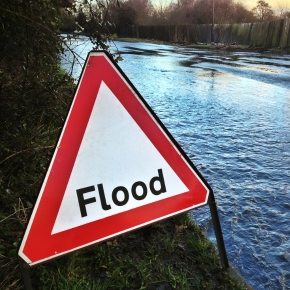
Evacuating With Pets: Northlands’ 8 Point Flood Plan
As extreme weather events become more frequent, being prepared for emergencies like flooding is a good idea not only for the safety of our homes and families but also for our beloved pets. Our team at Northlands want to help pet owners in Northamptonshire who are worried about evacuating with pets. Take a look at their advice below on how to keep pets safe in a flood through pet emergency preparedness and a reliable flood evacuation plan.
View our emergency vet information
Northlands’ flood evacuation plan
Our vets and nurses in Oakley Vale share that a solid plan ensures you’re not caught off-guard, allowing you to evacuate swiftly, minimise stress, and keep your pets safe.
1. Assess the risk
Check your local environment agency’s flood warnings and understand your area’s risk level. Sign up for real-time alerts so you have enough time to act.
2. Prepare a pet emergency kit
Northlands’ team recommend creating a ‘Go Bag’ for evacuating with pets i.e. a kit with essentials for at least 3-5 days, like food, water, bowls, medication, leads & harnesses, vaccination records, a carrier, blankets, bedding, towels, litter & tray/pads/waste bags, and toys & treats to comfort them. Keep it accessible and up-to-date. Include a pet first-aid kit with essentials like bandages, antiseptic, and tweezers, and keep our emergency details handy too.
3. Plan your routes
Identify safe evacuation routes and locate pet-friendly shelters or hotels in Northamptonshire, or wherever is safest. Familiarise yourself with public transport policies on pets, just in case driving isn’t an option.
4. Microchip and ID
Make sure your pet is microchipped, and your contact details are up to date. An ID tag with your contact information and an emergency contact can also help reunite you if you get separated. Contact us about pet microchipping.
5. Create a safe space
In the event of a flood alert, consider evacuating to a safer location with your pets. If you are unable to leave immediately, create a secure area indoors away from potential flooding. Bring outdoor pets indoors and ensure cages, hutches, food, bedding, and other essentials are elevated to prevent water damage. The team at Northlands also advises having a pet carrier ready for transportation during emergencies.
6. Advice for cats
If you get a flood alert, bring your cat indoors immediately and keep them in a secure, elevated room. Have a carrier and their emergency kit ready in case you need to leave quickly.
7. Practise your plan
Northlands’ team advise that it’s a good idea to familiarise your pets with carriers, leads (if they’re not used to them), and your evacuation plan. Regular practise will help them stay calm if you need to evacuate.
8. Know what to do post-evacuation
Once the immediate danger has passed, it’s time to assess the situation and return home if it’s safe. However, be aware that the floodwaters may have left behind hazards like debris, sharp objects, or contamination – ensure your pet is cleaned and kept away from standing water. Check your pets for any signs of injury or illness and call our vets in Oakley Vale on 01536 745212 as soon as possible if needed.
Final thoughts… Pet emergency preparedness can make all the difference for you and your pets when it comes to flooding. If you need more help creating a pet-friendly evacuation plan, reach out to our team at Northlands – we’re here to support you and your pets always.
View our emergency vet information
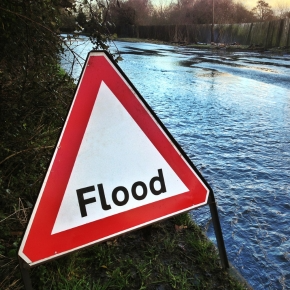
Evacuating With Pets: Northlands’ 8 Point Flood Plan
As extreme weather events become more frequent, being prepared for emergencies like flooding is a good idea not only for the safety of our homes and families but also for our beloved pets. Our team at Northlands want to help pet owners in Northamptonshire who are worried about evacuating with pets. Take a look at their advice below on how to keep pets safe in a flood through pet emergency preparedness and a reliable flood evacuation plan.
View our emergency vet information
Northlands’ flood evacuation plan
Our vets and nurses in Northampton share that a solid plan ensures you’re not caught off-guard, allowing you to evacuate swiftly, minimise stress, and keep your pets safe.
1. Assess the risk
Check your local environment agency’s flood warnings and understand your area’s risk level. Sign up for real-time alerts so you have enough time to act.
2. Prepare a pet emergency kit
Northlands’ team recommend creating a ‘Go Bag’ for evacuating with pets i.e. a kit with essentials for at least 3-5 days, like food, water, bowls, medication, leads & harnesses, vaccination records, a carrier, blankets, bedding, towels, litter & tray/pads/waste bags, and toys & treats to comfort them. Keep it accessible and up-to-date. Include a pet first-aid kit with essentials like bandages, antiseptic, and tweezers, and keep our emergency details handy too.
3. Plan your routes
Identify safe evacuation routes and locate pet-friendly shelters or hotels in Northamptonshire, or wherever is safest. Familiarise yourself with public transport policies on pets, just in case driving isn’t an option.
4. Microchip and ID
Make sure your pet is microchipped, and your contact details are up to date. An ID tag with your contact information and an emergency contact can also help reunite you if you get separated. Contact us about pet microchipping.
5. Create a safe space
In the event of a flood alert, consider evacuating to a safer location with your pets. If you are unable to leave immediately, create a secure area indoors away from potential flooding. Bring outdoor pets indoors and ensure cages, hutches, food, bedding, and other essentials are elevated to prevent water damage. The team at Northlands also advises having a pet carrier ready for transportation during emergencies.
6. Advice for cats
If you get a flood alert, bring your cat indoors immediately and keep them in a secure, elevated room. Have a carrier and their emergency kit ready in case you need to leave quickly.
7. Practise your plan
Northlands’ team advise that it’s a good idea to familiarise your pets with carriers, leads (if they’re not used to them), and your evacuation plan. Regular practise will help them stay calm if you need to evacuate.
8. Know what to do post-evacuation
Once the immediate danger has passed, it’s time to assess the situation and return home if it’s safe. However, be aware that the floodwaters may have left behind hazards like debris, sharp objects, or contamination – ensure your pet is cleaned and kept away from standing water. Check your pets for any signs of injury or illness and call our vets in Northampton on 01604 637175 as soon as possible if needed.
Final thoughts… Pet emergency preparedness can make all the difference for you and your pets when it comes to flooding. If you need more help creating a pet-friendly evacuation plan, reach out to our team at Northlands – we’re here to support you and your pets always.
View our emergency vet information