
Do Pets Need More Water During Summer?


As temperatures rise this month in Northamptonshire, keeping your pet hydrated is especially important, as pets can lose fluids quickly.
At Northlands, many owners ask us how to tell if their pet is drinking enough. That’s why our veterinary team in Kettering have put together practical advice to help you recognise when your pet needs more water so you can keep them hydrated this summer.
Worried about your pet’s fluid levels? Book a check-up today
Do pets need more water in summer?
Yes – pets lose more fluid through panting, grooming and activity due to the heat.
Our veterinary team in Kettering explain that dogs may pant more to cool down, whereas cats and small pets lose heat more passively through their skin and fur, their breathing, and the surrounding air – especially when it’s cool or moving. Some pets will naturally drink more, but others may not, which is why monitoring intake is important.
Diet also plays a role. Pets fed mainly dry food will generally need to drink more compared to those eating wet food or fresh produce, because dry diets contain very little moisture.
As a general guide, many pets will regulate their own intake if fresh water is always available. However, there are some useful ways to help.
How to keep your pet hydrated in summer
These simple steps from Northlands can help maintain good pet hydration in summer, with a few small adjustments depending on your pet:
Provide constant access to water
Water should always be available. In the Northamptonshire hot weather, pets may drink little and often, so even short periods without access can increase the risk of dehydration. For small pets, this is especially important as consistent hydration supports digestion and gut health.
Change water regularly
Changing water frequently helps keep it clean, cool and free from debris. Your pet is unlikely to be as interested in stale water, so regular refreshing can encourage better drinking habits. Bottles for small pets should also be checked to ensure they are flowing properly and at the correct height.
Offer multiple water sources around the home
Placing more than one bowl or bottle in different areas encourages drinking. Dogs and cats may be more likely to drink if water is nearby where they rest, while small pets benefit from backup sources in case one becomes empty or blocked.
Keep water in cool, shaded areas
For outdoor pets or hutches, positioning them (including water sources) in shaded areas is particularly important.
Add wet food or water-rich vegetables where appropriate
Incorporating moisture through diet can support hydration. Wet food contains a high percentage of water, while fresh vegetables can also contribute to fluid intake. You can also add a small amount of water or pet-safe broth to dry food. Our veterinary team at Northlands recommend this as a particularly helpful addition for cats, who may naturally drink less, and for rabbits and guinea pigs, who benefit from water-rich greens.
When should I be concerned?
While some variation in drinking is normal, if your pet is not drinking, seems unwell, or shows changes in behaviour, it’s best to seek advice promptly.
Smaller pets can deteriorate more quickly if hydration levels drop. If your rabbit, guinea pig or small furry has stopped drinking entirely, <a href="01536 485543“>contact us immediately.
If you’re concerned about your pet’s water intake or overall health, book an appointment with our team in Kettering today.

Northampton Vets on Spotting Heat Stress in Guinea Pigs
As temperatures rise across Northampton, many of us enjoy the sunshine, but for guinea pigs, warmer weather can quickly become uncomfortable and even dangerous. These small pets are particularly sensitive to heat, so it’s important to be aware of the risks and take steps to keep them cool and comfortable.
At Northlands Cat & Rabbit Care Clinic, our veterinary team are here to help you recognise the early signs of heat stress, so you can act quickly and keep your guinea pig safe and comfortable throughout the summer. If you want advice on your guinea pig’s health, book an appointment today.
Book an appointment for tailored advice
What temperature is too hot for guinea pigs?
Guinea pigs are most comfortable between 18°C and 24°C, with low humidity ideally below 50%. The risk of heatstroke becomes high when temperatures hit 32°C. As they can’t sweat, they have very limited ways to cool down, meaning their environment can heat up quickly. Our Northamptonshire veterinary team warn that overheating can happen within minutes.
Guinea pig overheating signs
Heat stress occurs when a guinea pig’s body temperature rises beyond what it can safely control. This can happen when the surrounding environment is too warm, especially with added humidity or physical activity, making it difficult for them to cool themselves down. According to Northlands Cat & Rabbit Care Clinic, here are the signs to monitor:
Early signs:
- Lethargy or reduced activity
- Withdrawal or hiding more than usual
- Loss of appetite or refusing food
Serious symptoms (emergency):
- Rapid or laboured breathing
- Unsteady movement or stumbling
- Blue-tinged lips or tongue
- Seizures
- Collapse or unresponsiveness
If you notice any serious symptoms, seek veterinary care immediately.
Keeping guinea pigs cool in summer
Keeping your guinea pig cool during warm weather in Northamptonshire is essential, and a combination of small changes recommended by Northlands Cat & Rabbit Care Clinic’s team can make a big difference.
Hydration
Always provide plenty of fresh, cool water and check bottles regularly to ensure they’re working properly. You can also support hydration by offering water-rich vegetables like cucumber and leafy greens in moderation.
Cool resting areas
Place ceramic tiles, damp towels, or a well-wrapped frozen water bottle in their enclosure. This gives them the option to lie somewhere more comfortable without direct contact with anything too cold.
Shade and ventilation
Position their enclosure in a shaded, well-ventilated area, away from direct sunlight, and remember that the sun moves throughout the day. Improving airflow with open windows or a fan can help but avoid blowing air directly onto them.
What about outdoor guinea pigs?
Our vets in Northampton recommend bringing outdoor guinea pigs indoors where temperatures are more stable.
Grooming and handling
Finally, avoid handling your guinea pig during peak heat and keep up with regular grooming to prevent excess heat being trapped in their coat.
At Northlands Cat & Rabbit Care Clinic we recognise that the prospect of heat stress can be scary, but with the right precautions and awareness, you can keep your guinea pig safe, comfortable, and content all summer long.
If you’d like tailored advice or have any concerns about your pet’s wellbeing, book an appointment with our team today.
Heatstroke in Pets: Signs, Symptoms and What to Do
At last…June brings us longer days and warmer weather, perfect for dog walks around Northamptonshire and garden adventures with your pet. But as temperatures climb, so does the risk of heatstroke, and it can escalate faster than many owners realise.
Our veterinary team at Northlands will walk you through the early warning signs of heatstroke in dogs, cats, rabbits and small pets, and what to do if you’re concerned.
If you suspect your pet may be suffering from heatstroke, don’t wait, call us immediately for advice on 01536 485543.
Signs and symptoms of heatstroke in pets
Our vets at Northlands explain that the early warning signs of heatstroke can vary between species, but there are key indicators every owner should know:
Dogs and cats
- Excessive panting or difficulty breathing: heavy, laboured breathing that seems out of proportion to their activity level.
- Drooling more than usual: excessive saliva.
- Lethargy or weakness: your pet seems unusually tired, confused or unsteady on their feet.
- Increased heart rate: a fast pulse could signal overheating.
- Vomiting or diarrhoea: digestive upset can occur as the body struggles to regulate temperature.
Rabbits and small pets
Rabbits and small pets are among the most vulnerable in warm weather because they can’t pant or sweat effectively, yet they’re often the most overlooked.
- Rapid or shallow breathing: breathing changes are a serious early sign.
- Lethargy and flopping: a pet lying flat and unresponsive in the heat requires immediate attention.
- Wet nose or ears: some small pets may dampen themselves to cool down.
- Loss of appetite: small pets who suddenly stop eating in warm weather may be struggling with the heat.
What to do if you think your pet has heatstroke
If you suspect heatstroke, stay calm but act quickly. Our vets in Kettering recommend the following steps while you arrange emergency care.
- First, move your pet indoors/away from the heat source. For pets comfortable with water, you can gently pour cold (not freezing) water over their body, keeping it away from their face, nose and mouth. .
- Open windows and doors or switch on a fan or air conditioning to create a breeze and offer cold water to drink.
- Place them on top of a cold wet towel rather than wrapping them in it, as this traps heat. If you have an ice pack, wrap it in a towel and place it between their thighs (dogs), or next to or beneath smaller pets.
- Our vets at Northlands stress that even if your pet seems to be recovering, always call us straight away.
While the idea of heatstroke can be scary, knowing the signs and what to do could make all the difference for your pet this summer in Northamptonshire. If you’d like peace of mind, book a summer health check with our team today.
Northlands’s Kid-Friendly Guide to Small Furry Pet Ownership
Bringing a small furry friend into the family is an exciting adventure for children, whether it’s a guinea pig, rabbit, hamster or another tiny companion. Teaching children how to care for these pets responsibly not only keeps the animals safe and happy, but also helps kids develop empathy, patience and confidence in their abilities.
If you have a small pet joining your family, you may find Northlands’s 7 pet care tips for children useful.
Plus, you’ll want to register your small pet with our veterinary practice in Northampton so we can support your new pet owner with advice and care.
Register your small pet with us
We’ve also prepared a downloadable Pet Promise Certificate that you can print, allowing your child to proudly write their promise to be a great friend and responsible pet owner.
Teaching young children about responsible pet ownership
Here are Northlands’s seven essential lessons for young pet owners:
1. The ‘indoor voice’
Small pets are easily startled by loud noises or sudden movements. Encourage children to speak softly and move calmly around their pets to prevent stress and anxiety.
2. Gentle hands
Always use two hands when lifting a small pet, supporting both the body and bottom, or leave them on the floor for supervised interaction. This prevents accidental drops and ensures the pet feels secure.
3. Respecting nap time
Many small animals sleep a lot during the day, often in cosy hideaways. Our vets in Northampton advise teaching children to respect their pet’s rest by leaving them undisturbed while they recharge.
4. The ‘fruit is a treat’ rule
Greens are the foundation of a healthy diet, while sugary fruits should only be given in tiny amounts, just like a treat. This helps prevent digestive upset and keeps pets healthy.
5. Reading body language
Help children recognise when a pet is happy — like “popcorning” in rabbits or playful binkies in guinea pigs — and when they want to be left alone, such as hiding, freezing or flattening themselves against the floor.
6. Fresh water daily
Our vets at Northlands advise that every small pet needs clean, fresh water every single day. Encourage kids to clean and refill water bottles or bowls each morning to maintain hydration and hygiene.
7. Ask before opening
Teach children to always check with a grown-up before opening a cage, hutch, or tank. Ensuring windows, doors and escape routes are secure first also keeps pets safe during playtime.
By learning these simple rules, children can enjoy interacting with their small pets while keeping them safe, healthy and happy.
Download our Pet Promise Certificate to help your child get started.
Got a new pet to register?
Register your small pet with us today and our nurses at Northlands can provide guidance on handling, nutrition and health checks — helping young owners grow into responsible, confident caregivers.
Register your small pet with us
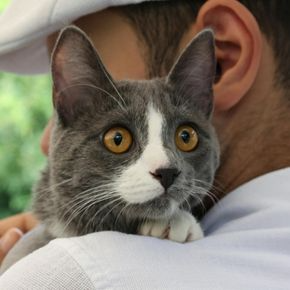
Why Prioritising Your Pet’s Health Is the Ultimate Act of Love
The bond we share with our pets is built on trust, consistency and care. While cuddles, playtime and treats all play their part, one of the most meaningful ways to show love to your dog or cat is by protecting their health. Thoughtful, proactive healthcare with our team at Northlands supports not only physical wellbeing, but also the emotional connection you share.
Routine health checks with our vets in Northampton are a cornerstone of this relationship. Regular visits allow us to monitor your pet’s weight, teeth, joints, skin and internal health over time – if your pet is due a health check then book an appointment today.
The quiet ways health care brings you closer to your pet
Many illnesses develop slowly and quietly, especially in cats, and early changes are often subtle. Spotting potential problems early means treatment can begin sooner, helping to reduce discomfort and avoid more serious issues later on.
For your pet, this gentle, preventative approach helps build confidence and familiarity with veterinary care, making future visits to see our vets in Northampton far less stressful.
Preventative care
Preventive care is another important way owners support long-term wellbeing. Our pet services like vaccinations, parasite control, dental care and nutritional advice are all designed to protect your pet from avoidable illness and discomfort.
These small, regular actions provide reassurance and stability, allowing your pet to enjoy life with fewer interruptions from ill health. Over time, this consistency strengthens trust as your pet learns that their needs are understood and met.
Continuing the good work at home
Caring for your pet’s health also means paying attention at home. Changes in behaviour, appetite, energy levels or grooming habits can be early indicators that something is not quite right. Responding promptly to these signs shows your pet that they are safe and supported. Early intervention by our vets at Northlands often leads to simpler treatments and better outcomes, helping your pet feel comfortable and secure.
Perhaps most importantly, prioritising health reinforces the idea that your pet is a valued member of the family. Dogs and cats thrive when they feel protected and understood. By committing to their ongoing care, you create a partnership built on trust, reliability and compassion.
Looking after your pet’s health is not just about preventing illness. It is an ongoing expression of love, responsibility and connection. Through regular care and attention, you help your pet enjoy a happier, healthier life while strengthening the bond that makes your relationship so special.
Our veterinary practice in Northampton is here to support you with pet care and treatment whenever you need us – book an appointment anytime for advice, routine check-ups or a closer look at pet health concerns.
Looking for more pet care news? Be sure to check our other seasonal articles for tips from our vets in Northampton and everything you need to know about responsible pet care.
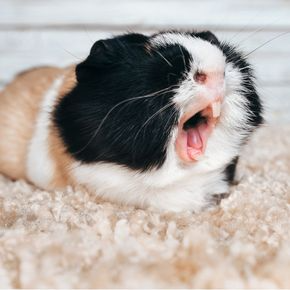
Tiny Teeth, Big Impact: Dental Care for Small Pets
When we think about pet dental care, cats and dogs usually come to mind first. But for rabbits and guinea pigs, healthy teeth are just as important – if not more so. These small pets rely on their teeth constantly for eating, grooming and staying well, and dental problems can have a serious impact on their comfort and quality of life.
In the article below, our vets in Northampton offer advice on how to take care of your small furry’s teeth, as well as guidance on the signs of dental issues in rabbits and guinea pigs.
If your pet requires dental treatment or you need help examining their teeth, book an appointment for a check-up with our team at Northlands Cat & Rabbit Care Clinic.
Book a dental appointment for your small furry
Looking after rabbit and guinea pig teeth
Unlike cats and dogs, rabbits’ and guinea pigs’ teeth grow continuously throughout their lives. This means they depend on regular, even wear to keep their teeth at the correct length and shape. If the teeth don’t wear down properly, they can become overgrown, misaligned or develop sharp points, leading to pain, difficulty eating and secondary health problems.
The right diet for small furry teeth
Northlands Cat & Rabbit Care Clinic’ vets explain that diet plays a crucial role in dental health for small furries. A constant supply of good-quality hay is essential, as the long fibres encourage natural chewing and help wear the teeth evenly. Without enough hay, teeth can overgrow quickly, even if pellets and vegetables are being offered.
Signs of dental issues
Common signs of dental problems in rabbits and guinea pigs can be subtle. Our vets in Northampton share that you may notice reduced appetite, selective eating, drooling, weight loss or changes in droppings. Some pets become quieter or less active, while others may show signs of discomfort such as grinding their teeth. Because small pets are very good at hiding pain, dental disease is often well advanced before it is spotted.
Dental issues don’t just affect the mouth. When chewing becomes painful, pets may eat less or avoid fibrous foods, which can lead to digestive problems, gut stasis and further illness. This close link between dental health and digestion makes early detection especially important.
The importance of preventative veterinary care
Regular health checks allow our vets in Northampton to assess your pet’s teeth, jaw alignment and overall condition. While not all dental issues can be prevented, early intervention can make a significant difference to comfort and long-term wellbeing.
If you have a rabbit or guinea pig and are unsure whether their teeth are healthy, or if you’ve noticed changes in their eating or behaviour, our vets at Northlands Cat & Rabbit Care Clinic are always happy to offer advice and support.
Looking after those little teeth plays a big role in keeping small pets happy, comfortable and thriving – book an appointment for a dental examination.
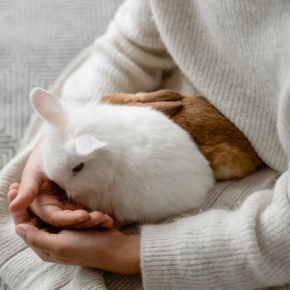
Building Trust with Small Pets by Our Vets in Northampton
Winter can be a quiet time at home in Northamptonshire, making January and February the perfect months to focus on building a stronger bond with your small pets. Rabbits and guinea pigs are social, intelligent animals that thrive on routine, gentle interaction and mental stimulation. Spending quality time with them not only strengthens your relationship but can also enhance their overall wellbeing.
Our team at Northlands Cat & Rabbit Care Clinic have compiled some great tips on how to build trust and encourage play.
If you’re experiencing any difficult behaviours and need help, just contact our vets in Northampton for advice on how to build a positive relationship, as well as a health check to ensure your pet is well.
Contact us for tailored advice
Bonding with your rabbit or guinea pig: building trust with gentle activities
Start with a calm environment
According to our vets in Northampton, small pets can be easily startled by loud noises or sudden movements. Create a calm and safe space by dimming harsh lights, moving slowly and speaking softly. This encourages your rabbit or guinea pig to approach you willingly, rather than feeling anxious or threatened.
Gentle handling and patience
Rabbits and guinea pigs need to feel secure in your hands. Begin with short handling sessions, letting them sniff and explore your hands while you pet them gently. Avoid sudden lifts; instead, support their body properly, keeping one hand under the chest and the other supporting the hindquarters. Over time, these gentle interactions will build trust.
Interactive play and foraging
Mental stimulation is essential for small pets. Northlands Cat & Rabbit Care Clinic’ team recommend setting up indoor foraging activities using toilet paper rolls, cardboard boxes or puzzle feeders. Hide a few of their favourite treats inside to encourage natural digging and exploring behaviours. These activities provide enrichment, satisfy curiosity and allow you to observe your pet’s personality in a relaxed setting.
Bonding through routine
Rabbits and guinea pigs appreciate consistency. Daily routines, such as regular feeding times, gentle play sessions, and safe handling, help them feel secure and more willing to interact. Incorporating bonding activities into your usual care routine strengthens trust over time.
Speak their language
Pay attention to your pet’s body language. Our vets in Northampton share that a relaxed rabbit may flop onto their side, while a content guinea pig may purr or make soft chirping sounds. Recognising these cues helps you respond appropriately and build a positive, trusting relationship.
When to seek advice
If your rabbit or guinea pig shows persistent fear, aggression or unusual behaviours, it’s a good idea to speak with our team at Northlands Cat & Rabbit Care Clinic. Call us on 01604 478888 and we can book an appointment in which our team can provide guidance on safe handling techniques and enrichment strategies to ensure your pet is happy and thriving.
By investing a little time each day in gentle interactions, now can be the start of a stronger, more rewarding bond with your rabbit or guinea pig. Small, consistent efforts now can lead to a lifetime of trust and companionship!
Why not start with a new year health check for your small pet? Just contact our vets in Northampton to book an appointment.
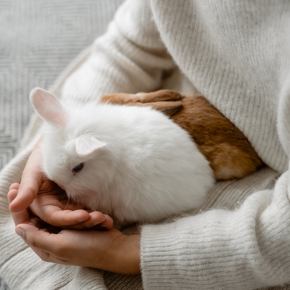
Building Trust with Small Pets by Our Vets in Northampton
Winter can be a quiet time at home in Northamptonshire, making January and February the perfect months to focus on building a stronger bond with your small pets. Rabbits and guinea pigs are social, intelligent animals that thrive on routine, gentle interaction and mental stimulation. Spending quality time with them not only strengthens your relationship but can also enhance their overall wellbeing.
Our team at Northlands have compiled some great tips on how to build trust and encourage play.
If you’re experiencing any difficult behaviours and need help, just contact our vets in Northampton for advice on how to build a positive relationship, as well as a health check to ensure your pet is well.
Contact us for tailored advice
Bonding with your rabbit or guinea pig: building trust with gentle activities
Start with a calm environment
According to our vets in Northampton, small pets can be easily startled by loud noises or sudden movements. Create a calm and safe space by dimming harsh lights, moving slowly and speaking softly. This encourages your rabbit or guinea pig to approach you willingly, rather than feeling anxious or threatened.
Gentle handling and patience
Rabbits and guinea pigs need to feel secure in your hands. Begin with short handling sessions, letting them sniff and explore your hands while you pet them gently. Avoid sudden lifts; instead, support their body properly, keeping one hand under the chest and the other supporting the hindquarters. Over time, these gentle interactions will build trust.
Interactive play and foraging
Mental stimulation is essential for small pets. Northlands Northampton’ team recommend setting up indoor foraging activities using toilet paper rolls, cardboard boxes or puzzle feeders. Hide a few of their favourite treats inside to encourage natural digging and exploring behaviours. These activities provide enrichment, satisfy curiosity and allow you to observe your pet’s personality in a relaxed setting.
Bonding through routine
Rabbits and guinea pigs appreciate consistency. Daily routines, such as regular feeding times, gentle play sessions, and safe handling, help them feel secure and more willing to interact. Incorporating bonding activities into your usual care routine strengthens trust over time.
Speak their language
Pay attention to your pet’s body language. Our vets in Northampton share that a relaxed rabbit may flop onto their side, while a content guinea pig may purr or make soft chirping sounds. Recognising these cues helps you respond appropriately and build a positive, trusting relationship.
When to seek advice
If your rabbit or guinea pig shows persistent fear, aggression or unusual behaviours, it’s a good idea to speak with our team at Northlands. Call us on 01604 637175 and we can book an appointment in which our team can provide guidance on safe handling techniques and enrichment strategies to ensure your pet is happy and thriving.
By investing a little time each day in gentle interactions, now can be the start of a stronger, more rewarding bond with your rabbit or guinea pig. Small, consistent efforts now can lead to a lifetime of trust and companionship!
Why not start with a new year health check for your small pet? Just contact our vets in Northampton to book an appointment.
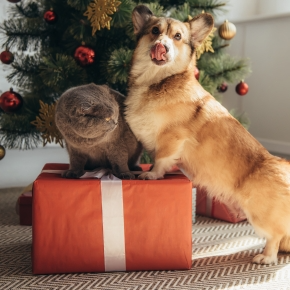
Which Christmas Trees Are Best When You Have Pets?
Real Christmas trees are beautiful, but are they the best option when you have pets? At this time of year, our vets in Kettering often see cases where curious cats, dogs or rabbits have got a little too close to the tree, with unfortunate results.
If you do need urgent help, call our team at Northlands on 01536 485543 straight away and we’ll arrange to see your pet as quickly as possible.
See our out of hours emegency vet service information
Which type of Christmas tree is best for pets?
Real Christmas trees
1. Pine needle problems
Pine needles may look harmless, but they’re sharp and non-digestible. If chewed or swallowed, they can cause irritation or even punctures to the mouth, throat, and stomach. Northlands Kettering’ team share that pets who eat pine needles may show signs such as drooling, vomiting or reluctance to eat. In severe cases, the needles can cause dangerous internal blockages that require emergency care.
Pine trees also contain natural oils (terpenes) that can upset your pet’s stomach or cause skin irritation. Cats are particularly sensitive to these oils and may develop drooling, weakness or tremors after exposure. If you’ve ever wondered “are pine needles toxic to cats and dogs?”, the answer is yes, they are.
2. Troublesome tree water
Our vets in Kettering explain that Christmas tree water often contains sap and sometimes fertiliser that can cause tummy upsets if pets drink it.
Are plastic trees safe?
The short answer is, not really. If you have an artificial tree, remember they’re not risk-free either, as their plastic or tinsel-like needles can cause choking if chewed.
Call us on 01536 485543 straight away if you’re pet has ingested anything harmful.
Our verdict?
We don’t want to be bah-humbug, so our advice is always “think safety first!” Here are a few Christmas tree tips to reduce risk at home:
- Reduce pet access to the tree if you can.
- Failing that, sweep up fallen pine needles daily.
- Secure your tree to a wall if possible to prevent tipping.
- Avoid issues with tree water by securely covering the base of your tree.
- If buying a plastic tree, ensure there are no small detachable parts that could be chewed off and swallowed.
- Tie up loose cables.
- Always choose pet-safe decorations and avoid having tinsel or edible ornaments within reach of pets.
Taking a few simple precautions will maximise the chances of your pets staying healthy and your home festive. Our veterinary team at Northlands love seeing your pets, but we’re sure an emergency admission on Christmas Eve isn’t on your wish list!
Call us for advice or pop into the practice if there’s anything you’re unsure about before the holidays.
Looking for more pet care news? Be sure to check our other seasonal articles for tips from our vets in Kettering and things you need to know about winter pet care.
Affordable Pet Gifts Ideas for Christmas
New research reveals that pet owners in Northamptonshire are set to spend up to £1.1 billion on their pets this Christmas.
Over two-thirds of pet owners (68%) are prepared to spend up to £50 to make sure their furry friends have a special day. From treats to toys and cosy accessories, it is clear pets are very much part of the family. But Christmas can also stretch budgets and you don’t need to spend a fortune to bring joy to your pets this festive season in Northamptonshire.
Our reception team at Northlands have put together some budget-friendly gift ideas to keep tails wagging and whiskers twitching – all without breaking the bank.
Got some ideas you’d like to run by us? Contact our team and let’s chat about gifts!
Christmas pet gifts on a budget
Festive fun for dogs
Dogs don’t need expensive toys to enjoy Christmas – tasty treats and your company are what really matter.
- Frozen treat: Fill a rubber toy with plain yoghurt and a few blueberries, then freeze for a refreshing snack.
- DIY treat jar or stocking: Create a personalised gift filled with small, affordable treats.
- Affordable festive goodies: Check out our reception area at Northlands for a selection of budget-friendly dog treats perfect for the holiday season.
Festive treats for cats
Cats love small surprises and cosy spots more than wrapped gifts.
- Cardboard castle: Transform delivery boxes into a multi-level hideout. Also a fun craft to do with the kids.
- Simple teaser toy: Tie a feather or scrunched foil ball to a string for endless play.
- Tuna topper: Add a spoonful of tuna in spring water to their dinner for a special Christmas meal.
Festive delights for rabbits & guinea pigs
Small pets appreciate enrichment and interactive play over expensive presents.
- Foraging roll: Hide hay and pellets inside a cardboard tube for a fun hunt.
- Natural chews: Twigs from untreated apple or willow trees are ideal for nibbling.
- Seasonal snacks: Offer a slice of carrot or a few fresh herbs like parsley or coriander.
Even on a tight budget, your pets can have a joyful, festive Christmas. With a little creativity, some recycled materials, and a sprinkle of love, you can make their holiday season special.
Our veterinary team in Northampton are always happy to help with ideas and festive treats for dogs, cats and rabbits—just drop us a line.
From all of us at Northlands, we wish you a Merry Christmas filled with wagging tails, purrs and happy hops!