
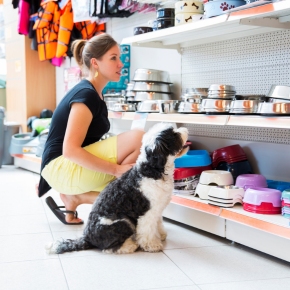
Northlands offers practical advice on getting a new pet


April marks National Pet Month, a great time to join Northlands in celebrating the joys of pet ownership in Northamptonshire! Along with pet celebrations, the team at Northlands also believe it’s a prime time to promote one of National Pet Month’s key messages: responsible pet care practices.
If you’re considering adding a new furry friend to your family, it’s wise to take these important steps to ensure a smooth transition and a happy, healthy life together. In this article, our vets in Northampton provide some helpful advice for getting a new pet.
Six to-do-list items when getting a new pet
- Research: Before bringing a new pet into your home, the team at Northlands recommend taking the time to research different breeds or species to find the right fit for your lifestyle and preferences. Consider factors such as size, temperament, exercise needs, grooming requirements and the cost of caring for them i.e. routine veterinary care, pet insurance, food, daycare or a dog walker.
- Preparation: Once you’ve chosen the ideal pet, make sure you have all the necessary supplies and equipment ready, including bedding, toys, food & food bowls, a car crate/pet carrier or a seatbelt & harness, and a suitable living space.
- Gradual introductions: If you have other pets in your household, our vets in Northampton recommend introducing them to your new addition gradually and under controlled circumstances. Keep initial interactions short and supervised, allowing each pet to become familiar with the scent and presence of the other. Be patient and give your pets time to adjust to the new dynamic, offering plenty of praise and positive reinforcement along the way.
- Establish routine and boundaries: Pets thrive on routine, so establish a consistent schedule for feeding, exercise, and playtime from the start. Set clear boundaries and rules for behaviour, such as where your pet is allowed to go in the house and what activities are off-limits. Our vets advise that consistency is key to helping your new pet feel safe and secure in their new environment.
- Desensitisation to loud noises: This can be extremely beneficial as it can help pets to react in a calm way. Typically associated with dogs and cats, it takes patience and perserverance. It is worth having a go with other pets too. Noises may include the hoover, dishes clanging, door bell/knocker, lawnmover, and hairdryer. When it comes to fireworks, it’s important to start a desensitisation programme well ahead of firework season, which can be particularly stressful for many animals. Start by gradually exposing your pet to recorded sounds at a low volume, gradually increasing the volume over time as they become more comfortable. Pair these sounds with positive experiences, such as playtime or treats, to create positive associations and reduce fear or anxiety.
- Veterinary care: As soon as possible after bringing your new pet home, schedule a new pet check-up with our vets in Northampton. Your pet will receive a thorough health examination to ensure they are in good condition and up to date on vaccinations and preventive care. Our vets can also provide valuable advice on nutrition, parasite control, and behaviour management tailored to your pet’s individual needs.
To give your new pet the best start in life, get in touch to book a new pet check-up with us today. Our experienced veterinary team are here to provide comprehensive care and guidance to help your new furry, feathered, or scaled companion thrive, whatever their age.
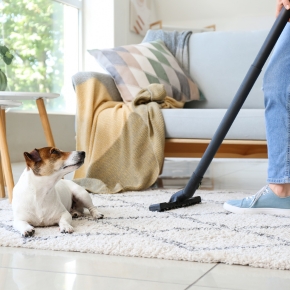
Before spring cleaning read our advice on seasonal dog allergies
Anyone who suffers from hay fever will know that spring and summer can be a miserable time. Did you know that dogs can get hay fever too? It’s true. But, did you also know that the symptoms of hay fever in dogs are very similar to the symptoms of dust allergies in dogs?
With many UK residents preparing for a big spring clean of their home, our Vet wants Northamptonshire dog owners to know the symptoms of these two allergies to look out for.
Get our Spring Cleaning Tips for Pets with Allergies
Could my dog have hay fever
Hay fever, also known as allergic rhinitis, refers to allergic reactions to pollen from trees, grasses, weeds, or other plants. It can be more common in certain geographical areas and dependant on your dog’s local environment. Book a dog check-up if you are concerned.
Symptoms of hay fever in dogs may include:
- Itching around their face, ears, paws, and belly – they may scratch, rub their face against furniture or the ground, or lick excessively.
- Sneezing repeatedly in response to pollen exposure.
- Runny or congested nose, leading to nasal discharge.
- A dry or moist cough
- Watery or teary eyes which can appear red or inflamed.
- Skin irritations manifesting as redness, rash, hives, or hot spots.
Could my dog have a dust allergy
Dust allergies are relatively common in dogs too. Dust mites, along with other particles found in household dust, can trigger allergic reactions in dogs, leading to a condition known as atopic dermatitis or environmental allergies. Dogs may inhale or come into contact with dust particles, leading to skin irritation and other allergy symptoms.
Symptoms of dust allergies in dogs may include:
- Itching, particularly around the face, ears, paws, belly & groin – dogs may scratch, lick, or chew at their skin.
- Respiratory issues such as sneezing, coughing, wheezing, or difficulty breathing in response to inhaling dust particles.
- Skin irritations manifesting as redness, rash, hives, or inflamed skin in affected areas – the skin may appear irritated, scaly, or crusty.
- Hair loss from excessive scratching/licking, resulting in hair loss/bald patches on the skin.
- Ear infections characterised by itching, redness, discharge, or odour in the ears.
When treating allergy cases at Northlands, our Vet often hears owners say “my dog can’t be allergic as they don’t have all the symptoms”.
Dogs, like humans, may react differently to allergens, and their immune responses can manifest in various ways i.e. not all dogs will have all the symptoms at once. In some cases, it is possible for dogs to experience respiratory issues as a result of dust allergies without exhibiting the other typical symptoms of skin irritation or itching.
Additionally, the severity of symptoms can vary among individual dogs, with some experiencing mild symptoms while others may have more severe respiratory issues. Get our guide to Spring Cleaning when you have pets with allergies.
Other dog allergies to consider
In some cases, dogs may be affected by both hay fever and dust allergies concurrently, especially if they have a predisposition to allergic sensitivities or are exposed to multiple allergens in their environment. It is also important to note that while pollen and dust allergies are common in dogs, they may also be affected by other types of allergies, such as flea allergies, food allergies, or mould allergies.
Treating your dog’s allergies
If you are witnessing any of the symptoms above and suspect your dog has a dust allergy or is experiencing allergic reactions to something, it’s best to act fast to help them feel better. Our Vet recommends getting them booked in with one of our vets in Northampton as soon as possible for proper diagnosis and treatment.
As well as performing the necessary tests, our vets will recommend options to alleviate any respiratory discomfort and manage allergy symptoms effectively. Appropriate management strategies may include medication, dietary changes, or environmental modifications to reduce allergen exposure. Book a vet check today.
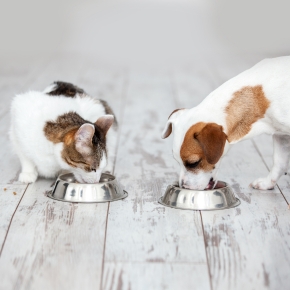
Perks of getting pet nutrition right with Northlands
As responsible pet owners, we take on the duty of caring for our furry companions in the best possible way. A significant part of this responsibility is ensuring that our pets receive proper nutrition.
Good pet nutrition for dogs and cats is the foundation of their health, happiness, and longevity. In celebration of Responsible Pet Ownership Month, our team at Northlands have some helpful advice for you below, so let’s explore what good pet nutrition looks like and why it’s of paramount importance.
Book a nutrition appointment with a vet nurse
A protein rich diet & adequate hydration
Protein is a vital component of a pet’s diet, helping to build and repair tissues. Look for pet food with a high-quality protein source, such as meat, poultry, or fish. Fresh, clean water is just as crucial as food. Ensure your pet has constant access to water, especially in warm weather or if they are on a dry kibble diet. Our vet’s top tip is to add a splash of water to your pet’s bowl of food to increase their hydration levels.
Properly Balanced Nutrients
Good pet nutrition means a diet that is well-balanced in macronutrients (proteins, fats, carbohydrates) and micronutrients (vitamins and minerals). A balance of these nutrients supports overall health and prevents deficiencies or excesses. One of the most convenient and reliable ways to provide balanced nutrition is through high-quality complete pet food for dogs or cats. Our team can advise on the most suitable pet food brands, call us on 01604 637175.
Age-appropriate food and feeding routine
Pets have different nutritional needs at different stages of life. Choose complete pet food specifically formulated for your pet’s life stage, whether they are a kitten, puppy, adult, or senior. These formulas are designed to provide the right balance of nutrients, so follow the feeding instructions to work out how much food your pet needs and how often.
Depending on your dog or cat’s lifestyle, they may need an increase or decrease in the amount of food they consume to ensure they stay at a healthy weight. Northlands’ nurses can help you work this out and give your pet regular weight checks – book a nurse appointment for your pet.
The importance of good pet nutrition
- Health and longevity: Proper nutrition can prevent or manage various health issues, including obesity, allergies, and digestive problems.
- Energy and vitality: Pets with balanced diets are more active, playful, and enthusiastic about life – prepare for some exciting adventures in and around Northamptonshire with your dog!
- Weight management: Maintaining an ideal body weight is essential for your pet’s overall health. Good nutrition, combined with portion control, helps prevent obesity and related health problems. Come and see our nurses if you’d like help with this.
- Strong immune system: Proper nutrition supports a robust immune system, helping your pet resist illness and recover faster when they do get sick.
- Shiny coat and healthy skin: A well-balanced diet enhances the appearance of your pet’s coat and keeps their skin healthy, reducing the risk of dryness, itching, and allergies.
- Improved digestion: Good pet nutrition promotes healthy digestion, reducing the likelihood of stomach upset, diarrhoea, or constipation.
Good pet nutrition is at the core of responsible pet ownership, and it plays a pivotal role in our pets’ health and wellbeing. By selecting high-quality complete pet food, considering their life stage, and monitoring their diet, we can help our furry friends to thrive and enjoy happy, healthy lives by our sides.
Join us in celebrating Responsible Pet Ownership Month and book a consult with our nurses to ensure your pet’s diet is the best it can be.
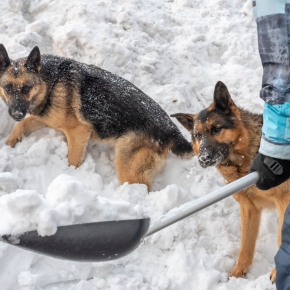
Emergency preparation for pet owners in Northamptonshire
Blackouts, flooding, car breakdowns, getting snowed in… now is the perfect time for pet owners to start preparing for winter emergencies.
Once the snow and ice hits Northamptonshire, it is essential that you ensure the safety and wellbeing of your pets. Take a look at the advice compiled below from Northlands’ team and share with other pet owners in Northamptonshire.
Share our advice using the social icons above!
Call us on 01536 745212 if you would like more advice on this timely topic.
5 pet essentials for emergency prep
1. Assemble an emergency kit for your pet
Our Oakley Vale vet team recommend you prepare a pet emergency kit with enough food, water, medications and first aid supplies to last them at least three days. Pack extra blankets, towels and have a pet carrier to hand along with your pet’s vaccination records and medical history. If your pet usually wears a jumper or coat on cold walks, pack a spare set of those too as well as a collar and lead.
You should keep this emergency kit accessible at home and take it on long (and motorway) car journeys.
2. Stock up on nutrition and plan shelter
Stock up on an ample supply of your pet’s regular food and pick up some bottled water to put to one side. Also, invest in plenty of blankets and ensure your pet has a sleeping area away from cold windows. Heating pads can ensure your pet has a snuggly area to sleep (providing you have the power to heat them).
3. Refill medications and pet first aid kits
Northlands recommends stocking up on bandages and antiseptic wipes. Tweezers can also help if you need to remove splinters. If your pet is on medication, try to ensure you have a sufficient supply as you go into the colder months.
4. Plan travel safety and pet identification
Microchips are a legal requirement for dogs as is wearing an ID tag with up-to-date contact information in public spaces. Remember to have a spare lead and collar in your emergency pack in case you need to leave your home in a hurry.
Cat microchipping – book now – is now a legal requirement in England. However, Northlands highly recommends cats everywhere should be fitted with a microchip and wear a collar and ID tag with up-to-date contact information too in case you get separated.
It is also wise to ensure you have a pet harness and seat belt fitting or pet carrier in the car in case you need to travel in an emergency.
5. Ensure you have light and communication
Keeping a torch to hand and a charged mobile phone with a list of emergency contacts, including our number – 01536 745212 – is a sensible idea. You may want to look at rechargeable power packs and a phone charging kit for your car. Candles and matches can be good to have for blackouts at home too, but keep them out of your pet’s reach, ensure the room has ample ventilation, and avoid candles with essential oils that are toxic to pets.
As well as the points above, the team at Northlands highly recommends including some toys and a familiar blanket to help keep your pet occupied and comfortable should there be a winter emergency. Make sure you share our advice with other pet owners so that all pets in Northamptonshire will be happy and safe – no matter what the weather decides to do!
Share our advice using the social icons above!
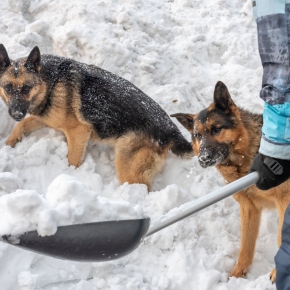
Emergency preparation for pet owners in Northamptonshire
Blackouts, flooding, car breakdowns, getting snowed in… now is the perfect time for pet owners to start preparing for winter emergencies.
Once the snow and ice hits Northamptonshire, it is essential that you ensure the safety and wellbeing of your pets. Take a look at the advice compiled below from Northlands’ team and share with other pet owners in Northamptonshire.
Share our advice using the social icons above!
Call us on 01604 637175 if you would like more advice on this timely topic.
5 pet essentials for emergency prep
1. Assemble an emergency kit for your pet
Our Northampton vet team recommend you prepare a pet emergency kit with enough food, water, medications and first aid supplies to last them at least three days. Pack extra blankets, towels and have a pet carrier to hand along with your pet’s vaccination records and medical history. If your pet usually wears a jumper or coat on cold walks, pack a spare set of those too as well as a collar and lead.
You should keep this emergency kit accessible at home and take it on long (and motorway) car journeys.
2. Stock up on nutrition and plan shelter
Stock up on an ample supply of your pet’s regular food and pick up some bottled water to put to one side. Also, invest in plenty of blankets and ensure your pet has a sleeping area away from cold windows. Heating pads can ensure your pet has a snuggly area to sleep (providing you have the power to heat them).
3. Refill medications and pet first aid kits
Northlands recommends stocking up on bandages and antiseptic wipes. Tweezers can also help if you need to remove splinters. If your pet is on medication, try to ensure you have a sufficient supply as you go into the colder months.
4. Plan travel safety and pet identification
Microchips are a legal requirement for dogs as is wearing an ID tag with up-to-date contact information in public spaces. Remember to have a spare lead and collar in your emergency pack in case you need to leave your home in a hurry.
Cat microchipping – book now – is now a legal requirement in England. However, Northlands highly recommends cats everywhere should be fitted with a microchip and wear a collar and ID tag with up-to-date contact information too in case you get separated.
It is also wise to ensure you have a pet harness and seat belt fitting or pet carrier in the car in case you need to travel in an emergency.
5. Ensure you have light and communication
Keeping a torch to hand and a charged mobile phone with a list of emergency contacts, including our number – 01604 637175 – is a sensible idea. You may want to look at rechargeable power packs and a phone charging kit for your car. Candles and matches can be good to have for blackouts at home too, but keep them out of your pet’s reach, ensure the room has ample ventilation, and avoid candles with essential oils that are toxic to pets.
As well as the points above, the team at Northlands highly recommends including some toys and a familiar blanket to help keep your pet occupied and comfortable should there be a winter emergency. Make sure you share our advice with other pet owners so that all pets in Northamptonshire will be happy and safe – no matter what the weather decides to do!
Share our advice using the social icons above!
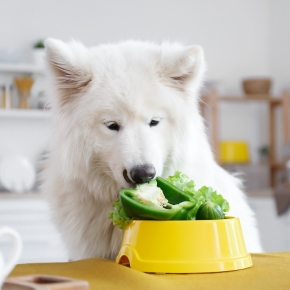
Veganuary advice: Can dogs and cats eat a vegan diet?
Veganuary is a month-long campaign that sweeps across the UK every January. It encourages people to choose plant-based food options for the month and those who take part in the challenge often do so for ethical or health reasons. However, our pets have a certain set of nutritional requirements that will not be met with a solely vegan diet.
To celebrate the International Day of Veterinary Medicine, our Vet team has put together the following advice so that clients of Northlands know what diet is safe for their pet, and what they should avoid this January.
Talk to our vets about pet nutrition
How to choose the right diet for your pet
Veterinarians are trained to provide guidance on proper nutrition and care for pets based on their species-specific needs. While humans can choose dietary preferences, it’s crucial to prioritise the well-being and health of our pets by providing them with diets that align with their natural biological requirements.
The protein in your pet’s diet provides them with amino acids, and these are essentially the building blocks of your pet’s body. Our experienced team of vets and nurses at Northlands can advise you on pet nutrition and the protein sources and levels you need to look out for. Each type of pet will need a slightly different diet based on their size, exercise levels, age and health condition. So, consulting with Northlands is the best way to ensure your pet is receiving the protein, and in turn the amino acids, that they need.
Your dog’s nutritional needs
We’d like dog owners in Northamptonshire to know that your pet can derive nutrition from a mixture of plant and animal food sources. Dogs are actually omnivorous creatures and will thrive with a healthy balance of amino acids and vitamins from both animal and plant-based foods.
However, getting this balance correct can be tricky. Inadequate nutrition will lead to health conditions that can affect your dog’s heart health, skin, coat and weaken their immune system, making them vulnerable. Animal proteins are generally a higher quality ‘complete’ protein – meaning that they contain the correct ratios of amino acids and are also immediately available to your dog once consumed. Plant protein sources can be difficult to get right as they contain other chemicals, such as tannin, which binds the protein and makes it less readily available to your dog.
Due to this, we recommend that dogs do not take part in the Veganuary celebrations with their owners. However, chatting to the team at Northlands will help you to find the correct balance for your dog between the animal and plant sourced protein they need daily.
Your cat’s nutritional needs
Cats are obligate carnivores. This means that their body is designed to thrive on a diet consisting of solely animal-based protein – the exact opposite of the Veganuary challenge. Cats need specific nutrients that are found in animal tissue and if your cat does not consume these nutrients in enough quantity, they are at risk of a number of severe health conditions.
Cats actually need 11 essential amino acids in their diet. Their body will then use these amino acids to create the other 11 non-essential amino acids their body requires at the time. These essential amino acids are: lysine, arginine, phenylalanine, histidine, isoleucine, leucine, methionine, taurine, valine, tryptophan and threonine. They are responsible for the overall health of your cat. A deficiency in any of them could result in vision impairment, heart disease, muscle growth, hormone imbalance, overall malnutrition and many more health problems.
Due to this, we recommend that you do not force your cat to take part in Veganuary as you will be putting their health at risk.
To learn more about your pet’s nutritional needs, book an appointment with our experienced dog and cat vets in Oakley Vale, or contact the practice for more about.
Our Vet discusses the benefits of weight monitoring and body condition scoring
Pet obesity is a growing problem and unfortunately, in Northamptonshire we have our own overweight population of pets. To educate owners on how to keep your pet safe from the associated health conditions linked to being either underweight or obese, our Vet has compiled the following advice on monitoring weight changes.
If you are concerned your pet may be obese or struggling with their health due to their weight, do not hesitate to contact us at Northlands so we can develop a realistic exercise plan and diet, tailored to your pet.
Book a pet weight check with our nurses
To help you right now, download our Body Condition Scoring Chart for Cats and Dogs using the button below so you can get a feel of where your pet’s weight currently lies. To get a proper diagnosis and weight-loss or gain program created, book a pet weight check with our nursing team.
Your pet’s overall health
Any sudden change in your pet’s weight could be a symptom of an underlying health condition that needs to be investigated. Weight loss or weight gain both come with their own extensive list of associated medical conditions, but the most common ailments we treat are osteoarthritis and diabetes. Contact us to book an appointment with our veterinary team as soon as possible if your pet has suddenly experienced weight loss or weight gain.
Preventing obesity & early detection
Heart disease, joint problems and diabetes – if your pet is overweight, then the risk of these conditions affecting them becomes much higher. By taking preventative action and monitoring their weight, you can nip obesity in the bud and protect your pet from these life-threatening diseases. It also helps to detect any changes in your pet’s overall health early on, which could lead to them needing veterinary attention.
Feeding habits
Our team of vets at Northlands all see examples daily of pets who are consuming far too many calories and are not burning enough calories to stay at a healthy weight. There is also the opposite problem, with pets being in a calorie deficit with owners not understanding their pet’s nutritional needs.
Book an appointment to discuss your pet’s weight, diet and exercise regime to ensure they are staying as healthy as possible. Our advice will be tailored to your pet – for example, if they are a working dog then they may need a higher protein, higher calorie diet. If they are a house cat, their diet will need to reflect their activity levels. Northlands’ can help you with this.
Regular weight monitoring will not only help to avoid obesity and its associated health risks, but it will also help to ensure that your pet is receiving the correct nutrition levels to keep them happy and healthy. Contact us if you have any concerns about your pet by calling 01536 745212.
Remember to download our Body Condition Scoring Chart for Cats and Dogs below to help you understand if your pet needs veterinary attention for their weight.
Our Vet discusses the benefits of weight monitoring and body condition scoring
Pet obesity is a growing problem and unfortunately, in Northamptonshire we have our own overweight population of pets. To educate owners on how to keep your pet safe from the associated health conditions linked to being either underweight or obese, our Vet has compiled the following advice on monitoring weight changes.
If you are concerned your pet may be obese or struggling with their health due to their weight, do not hesitate to contact us at Northlands so we can develop a realistic exercise plan and diet, tailored to your pet.
Book a pet weight check with our nurses
To help you right now, download our Body Condition Scoring Chart for Cats and Dogs using the button below so you can get a feel of where your pet’s weight currently lies. To get a proper diagnosis and weight-loss or gain program created, book a pet weight check with our nursing team.
Your pet’s overall health
Any sudden change in your pet’s weight could be a symptom of an underlying health condition that needs to be investigated. Weight loss or weight gain both come with their own extensive list of associated medical conditions, but the most common ailments we treat are osteoarthritis and diabetes. Contact us to book an appointment with our veterinary team as soon as possible if your pet has suddenly experienced weight loss or weight gain.
Preventing obesity & early detection
Heart disease, joint problems and diabetes – if your pet is overweight, then the risk of these conditions affecting them becomes much higher. By taking preventative action and monitoring their weight, you can nip obesity in the bud and protect your pet from these life-threatening diseases. It also helps to detect any changes in your pet’s overall health early on, which could lead to them needing veterinary attention.
Feeding habits
Our team of vets at Northlands all see examples daily of pets who are consuming far too many calories and are not burning enough calories to stay at a healthy weight. There is also the opposite problem, with pets being in a calorie deficit with owners not understanding their pet’s nutritional needs.
Book an appointment to discuss your pet’s weight, diet and exercise regime to ensure they are staying as healthy as possible. Our advice will be tailored to your pet – for example, if they are a working dog then they may need a higher protein, higher calorie diet. If they are a house cat, their diet will need to reflect their activity levels. Northlands’ can help you with this.
Regular weight monitoring will not only help to avoid obesity and its associated health risks, but it will also help to ensure that your pet is receiving the correct nutrition levels to keep them happy and healthy. Contact us if you have any concerns about your pet by calling 01604 637175.
Remember to download our Body Condition Scoring Chart for Cats and Dogs below to help you understand if your pet needs veterinary attention for their weight.
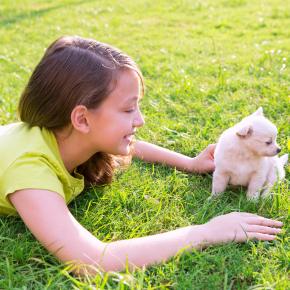
Why the school summer holidays are a good time to get your new pet
If you live in Northamptonshire, the school holidays are just around the corner. For many of you, that may mean having a new furry friend joining your family! If you do plan on investing in a puppy or kitten this summer, read Northlands Cat & Rabbit Care Clinic’s guide below on why this is an ideal time and how best to prepare for this exciting change.
Remember to contact our team to register your new pet and book their vaccinations, weigh-in & parasite prevention appointments, or you can start this process on our website – register your pet online
We also have a helpful guide on what to look out for when buying a new puppy or kitten – download it here.
Tips for purchasing a new Puppy or Kitten
Why the school summer holidays are ideal
At Northlands Cat & Rabbit Care Clinic we typically see an uplift in new puppy and kitten registrations during July and August – good reasons for this include:
- You may have an extended period of time at home (depending on your profession and family setup) meaning you’ll have more time to properly care for, train, and socialise a young pet. Remember to ensure they get used to spending time alone though to reduce separation issues down the line.
- If you have children, they can be more involved with the early stages of your new pet’s development and acclimation to your home during the 6-week school summer holidays – the perfect time to teach them about pet care responsibilities!
How to prepare your home for a new pet
1. Pet-proof your home
Puppies and kittens are curious and love to explore their environment, so it’s important to make your home safe for them. This may include removing any hazardous items, securing loose electrical cords, and ensuring that all cleaning chemicals and medications are safely locked away. You may also want to install a stair gate to ensure your puppy’s safety. It is wise to check your garden too for hazards, including poisonous plants as young pets like to explore with their mouths.
2. Purchase supplies
Before bringing your new pet home, make sure you have all the necessary supplies such as food & water bowls, a collar, lead, a pet crate, bedding, toys and food suitable for a puppy/kitten. Talk to the breeder and try to stick with the same brand of food they were feeding the litter to minimise the risk of tummy upsets. Stock up on puppy/kitten treats and register your new pet with us at Northlands Cat & Rabbit Care Clinic.
3. Plan for toilet training
Toilet training is an important part of your new pet’s early training, so plan ahead for this. Decide on a designated area in your garden (or home for litter trays) and establish a consistent schedule for potty breaks. It’s also worth investing in puppy/kitten training pads to use in your house in case of accidents!
4. Make arrangements for your absence
Puppies and kittens require a lot of attention and care when they’re young. If you’re going to be away during the day, make arrangements for someone to take care of your pet or consider using a dog day care service for puppies or a pet sitter at your home. Our team at Northlands Cat & Rabbit Care Clinic will be able to advise on local pet sitters/walkers in Northampton for you.
5. Research training techniques
Start researching training techniques and consider enrolling your puppy in a regular training class. This will help to socialise your puppy and you will both learn basic obedience commands. You can actually train cats to respond to some commands too!
6. Prepare your family
Getting a new pet is an exciting time, but it’s important to prepare your family, especially children, for the responsibilities that come with owning one. Teach them about the importance of gentle handling, proper feeding and exercise, and encourage them to be part of your pet’s daily care. By following these tips, you’ll be well-prepared to welcome your new furry friend into your home during the school holidays. Remember, patience and consistency are key to successful ownership and don’t forget to register your pet with Northlands Cat & Rabbit Care Clinic.
Download and share our guide on the do’s and don’ts of buying a new puppy or kitten this summer.
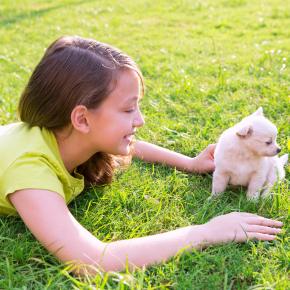
7 top tips for getting a new puppy or kitten this summer in Northamptonshire
If you live in Northamptonshire, the school holidays are just around the corner. For many of you, that may mean having a new furry friend joining your family! If you do plan on investing in a puppy or kitten this summer, read Northlands’ guide below on why this is an ideal time and how best to prepare for this exciting change.
Remember to contact our team to register your new pet and book their vaccinations, weigh-in & parasite prevention appointments, or you can start this process on our website – register your pet online
We also have a helpful guide on what to look out for when buying a new puppy or kitten – download it here.
Tips for purchasing a new Puppy or Kitten
Why the school summer holidays are ideal
At Northlands we typically see an uplift in new puppy and kitten registrations during July and August – good reasons for this include:
- You may have an extended period of time at home (depending on your profession and family setup) meaning you’ll have more time to properly care for, train, and socialise a young pet. Remember to ensure they get used to spending time alone though to reduce separation issues down the line.
- If you have children, they can be more involved with the early stages of your new pet’s development and acclimation to your home during the 6-week school summer holidays – the perfect time to teach them about pet care responsibilities!
How to prepare your home for a new pet
1. Pet-proof your home
Puppies and kittens are curious and love to explore their environment, so it’s important to make your home safe for them. This may include removing any hazardous items, securing loose electrical cords, and ensuring that all cleaning chemicals and medications are safely locked away. You may also want to install a stair gate to ensure your puppy’s safety. It is wise to check your garden too for hazards, including poisonous plants as young pets like to explore with their mouths.
2. Purchase supplies
Before bringing your new pet home, make sure you have all the necessary supplies such as food & water bowls, a collar, lead, a pet crate, bedding, toys and food suitable for a puppy/kitten. Talk to the breeder and try to stick with the same brand of food they were feeding the litter to minimise the risk of tummy upsets. Stock up on puppy/kitten treats and register your new pet with us at Northlands.
3. Plan for toilet training
Toilet training is an important part of your new pet’s early training, so plan ahead for this. Decide on a designated area in your garden (or home for litter trays) and establish a consistent schedule for potty breaks. It’s also worth investing in puppy/kitten training pads to use in your house in case of accidents!
4. Make arrangements for your absence
Puppies and kittens require a lot of attention and care when they’re young. If you’re going to be away during the day, make arrangements for someone to take care of your pet or consider using a dog day care service for puppies or a pet sitter at your home. Our team at Northlands will be able to advise on local pet sitters/walkers in Oakley Vale for you.
5. Research training techniques
Start researching training techniques and consider enrolling your puppy in a regular training class. This will help to socialise your puppy and you will both learn basic obedience commands. You can actually train cats to respond to some commands too!
6. Prepare your family
Getting a new pet is an exciting time, but it’s important to prepare your family, especially children, for the responsibilities that come with owning one. Teach them about the importance of gentle handling, proper feeding and exercise, and encourage them to be part of your pet’s daily care. By following these tips, you’ll be well-prepared to welcome your new furry friend into your home during the school holidays. Remember, patience and consistency are key to successful ownership and don’t forget to register your pet with Northlands Oakley Vale.
Download and share our guide on the do’s and don’ts of buying a new puppy or kitten this summer.